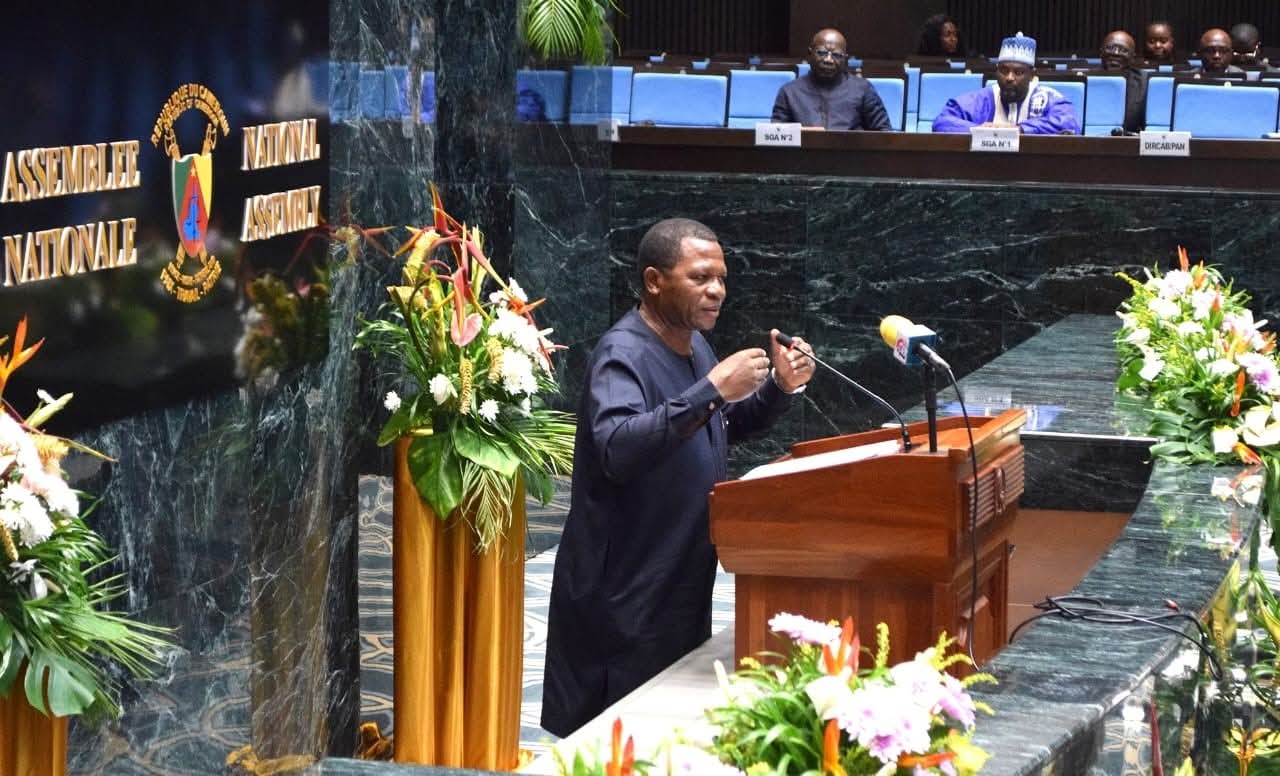
The Cameroonian parliament recently convened at the Paul Biya Glass House to adopt a pivotal bill modifying the 2012 Electoral Code, specifically targeting Article 170 regarding municipal mandates.
This legislative session, led by the Minister of Territorial Administration, Atanga Nji Paul, sparked intense debate over the timing of these reforms. Critics within the assembly compared the sudden changes to altering a “highway code” while traffic is already in motion, expressing concerns that such adjustments during an ongoing process might undermine the legal certainty and democratic principles that govern the nation’s elections.
Central to the discussion was the perceived shift in power from the legislative to the executive branch. Parliamentarians voiced out fear that granting the government increased flexibility without strict oversight could be interpreted as a “blank check,” potentially weakening popular sovereignty.
However, the government maintained that these measures are essential for institutional modernization. Minister Atanga Nji of Territorial Administration argued that the reforms are designed to provide a “framed flexibility” that allows the state to navigate situational constraints without breaking the democratic foundations of the country or interrupting the regularity of polls.
A significant portion of the reform focuses on harmonizing the Electoral Code with recent constitutional changes, most notably the creation of the post of Vice-President of the Republic. The newly adopted amendments clarify the legal procedures for presidential succession and the specific oaths required for both the President and the Vice-President.
These provisions outline the exact steps to be taken in the event of a presidential vacancy, death, or permanent incapacity, ensuring that the transition of power remains fluid and legally secure, whether managed by the Vice-President or the President of the Senate.
The adoption of the bill marks a definitive step in strengthening Cameroon’s institutional stability and legal clarity. Despite the heated nature of the debates, the final vote was framed as a victory for “republican dialogue,” showcasing the ability of the national representation to engage in constructive confrontation.
By integrating the role of the Vice-President into the electoral framework, the government aims to guarantee the continuity of the state and ensure that the executive branch remains functional under any circumstances, ultimately serving the superior interest of the nation.