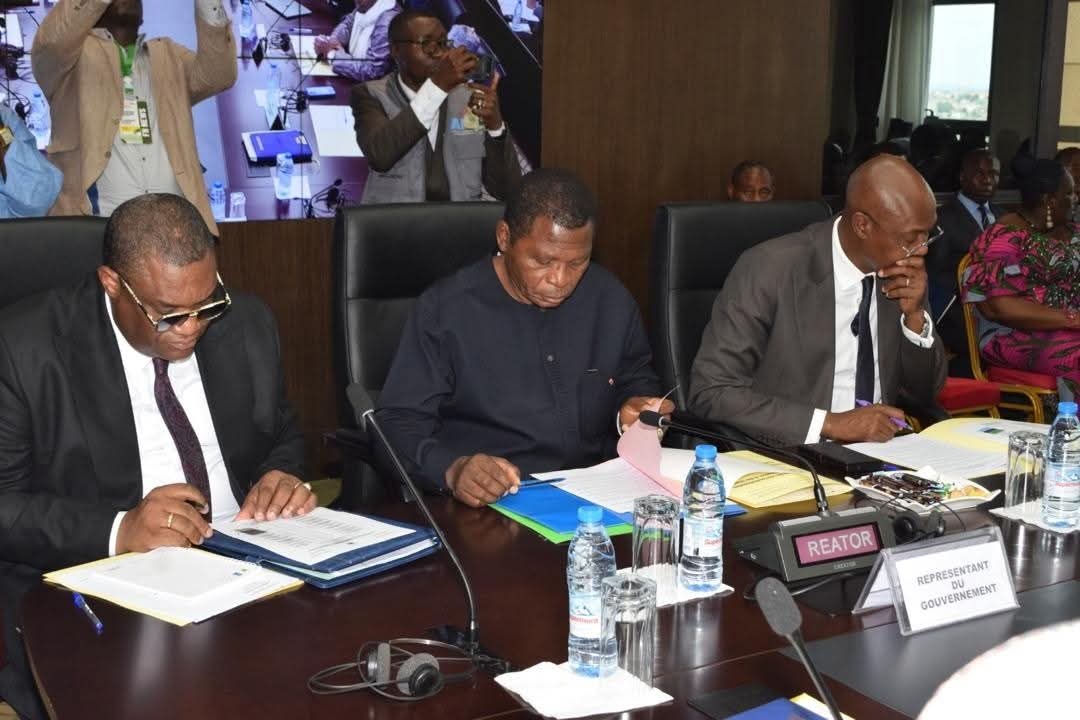
The Minister of Territorial Administration, Paul Atanga Nji, appeared before the National Assembly on March 30, 2026, to present a pivotal bill aimed at amending Article 170 of the 2012 Electoral Code.
The proposed legislation, Bill No. 2093/PJL/AN, seeks to grant the President of the Republic greater flexibility to extend or shorten the terms of municipal councillors, citing the need for better logistical and financial management of the nation’s upcoming elections.
The move comes as the government grapples with the aftermath of significant economic upheavals that have strained the public treasury. Following the heavy expenditures required for the presidential and regional elections held at the end of last year, the state is looking for a way to defer the cost of municipal polls.
By amending the existing law, the government aims to facilitate a more orderly mobilization of resources, ensuring that the material and logistical organization of local elections can occur at a more financially viable time.
Under the current legal framework, the President is limited to a maximum extension of eighteen months for municipal mandates. The new proposal, presented during a Chairmen’s Conference led by the newly appointed Speaker of the House, Théodore Datouo, introduces a more flexible “Article 170 (New).”
This version maintains the standard five-year renewal period but explicitly allows the Head of State to adjust the mandate length by decree, provided there is a consultation with the Government and the Bureau of the Senate.
This is not the first time such measures have been taken to address fiscal realities; a 15-month extension was already enacted in July 2024, pushing the current municipal mandate from February 2025 to May 31, 2026. The new amendment would essentially remove the rigid caps currently in place, allowing the executive branch to respond dynamically to “cases of need.” The government argues that this flexibility is essential for maintaining democratic stability while managing the country’s limited financial resources.
The bill has officially been deemed admissible by the National Assembly and is now set for a detailed review. Today, Tuesday, March 31, 2026, Minister Paul Atanga Nji is expected to defend the proposal before the Committee on Constitutional Laws.
If passed, the amendment will significantly alter the administrative timeline for local governance in Cameroon, providing the legal groundwork for a potential further delay of municipal elections to ease the burden on the National Treasury.