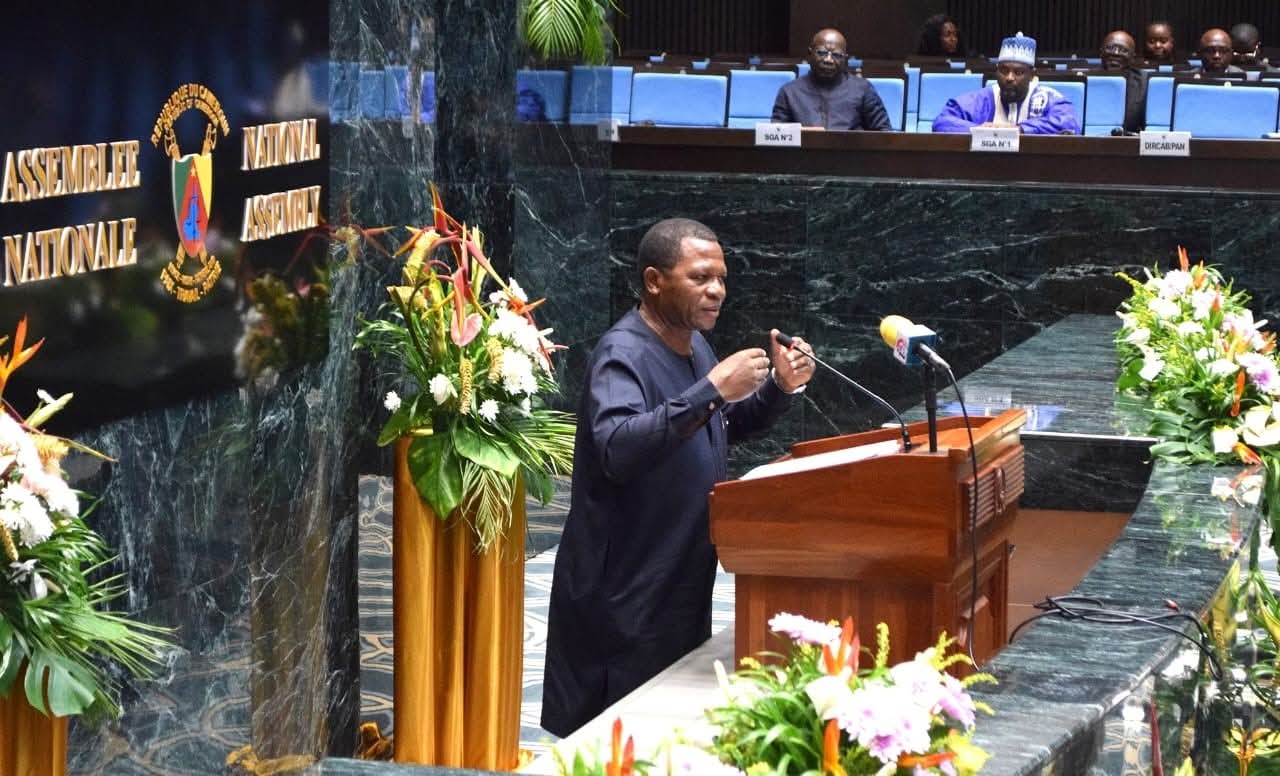
In a historic legislative shift, the Cameroonian Parliament convened in a rare joint session—or Congress—from April 2 to 4, 2026, at the behest of President Paul Biya.
This high-level gathering at the Yaounde Paul Biya Glass House was dedicated to fast-tracking a landmark constitutional amendment to reestablish the position of Vice-President of the Republic, an office abolished in 1972.
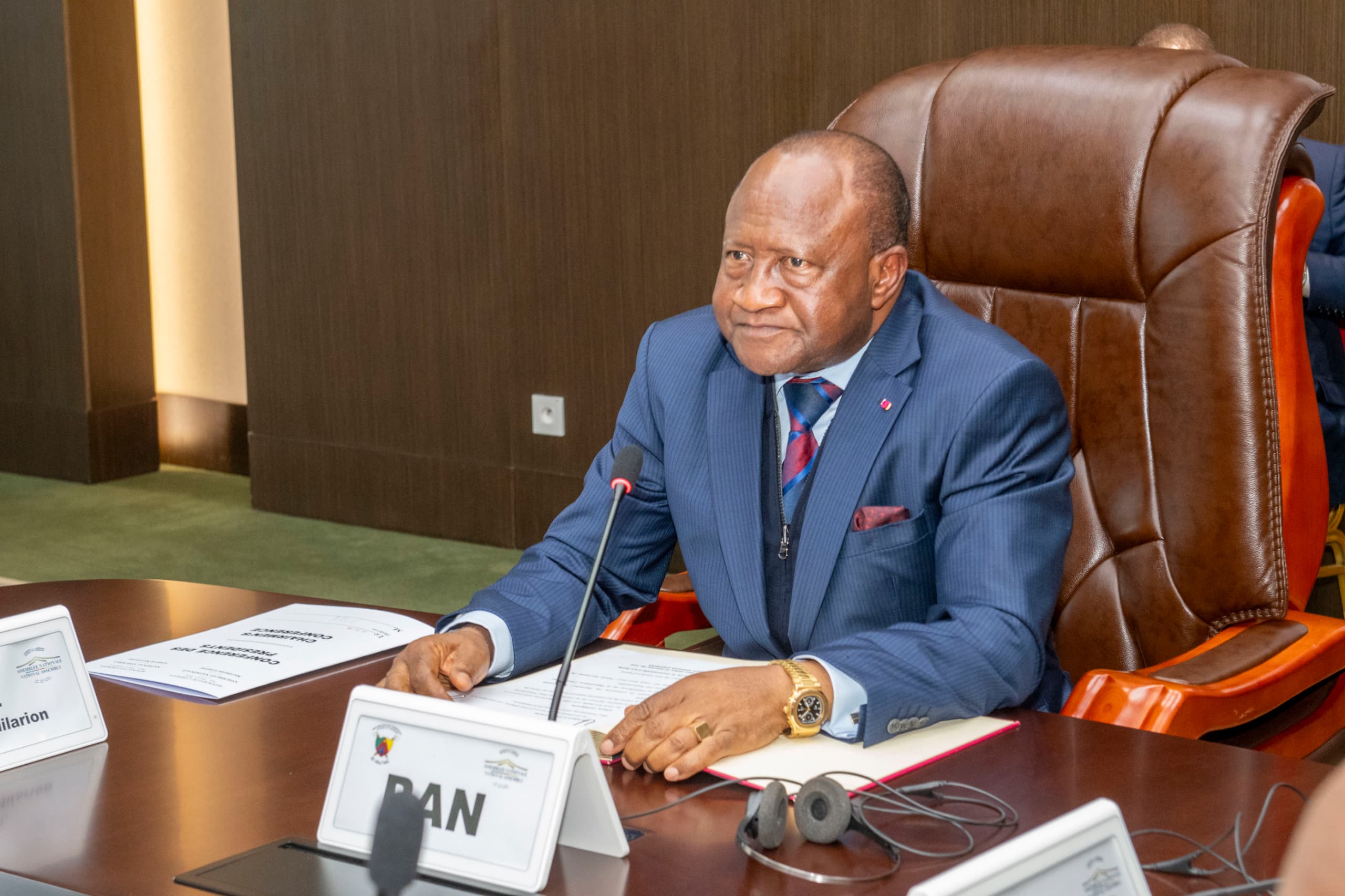
Following the Congress, the National Assembly’s Chairmen’s conference, led by the Right Honourable speaker Théodore Datouo, officially deemed admissible a complementary bill to amend the 2004 Law governing the Constitutional Council. This legislative package aims to synchronize the country’s highest jurisdictional body with the newly modified executive structure.
The centerpiece of these reforms is the newly defined role and succession protocol of the Vice-President. Under the approved amendments, the Vice-President will be appointed and dismissed by the President of the Republic, serving a term tied directly to the Head of State’s seven-year mandate.
Most critically, the Vice-President is now designated as the immediate successor in the event of a vacancy in the presidency. This marks a departure from the previous system where the President of the Senate held interim powers, moving toward a model designed to ensure leadership continuity and institutional stability during political transitions.
To operationalize this shift, the bill defended by Minister of State Laurent Esso specifically amends Sections 38 and 39 of the Law on the Constitutional Council. These updates outline the formal procedures for presidential succession: in the event of a resignation, the President of the Republic must now tender their notice to both the President of the Constitutional Council and the Vice-President.
Furthermore, the Constitutional Council is tasked with the grave responsibility of ascertaining any “permanent incapacity” of the President, a decision that now requires a rigorous two-thirds majority vote by its members to trigger the Vice-President’s assumption of office.
While the Vice-President is granted the authority to complete the remainder of the presidential term, the reform imposes strict limitations on their interim powers. An appointed Vice-President serving as acting President is expressly prohibited from initiating constitutional changes or running as a candidate in the subsequent presidential election.
By balancing the Vice-President’s executive functions with these legal “guardrails,” the 2026 amendments seek to modernize Cameroon’s governance framework while preventing an undue consolidation of power during sensitive periods of transition.