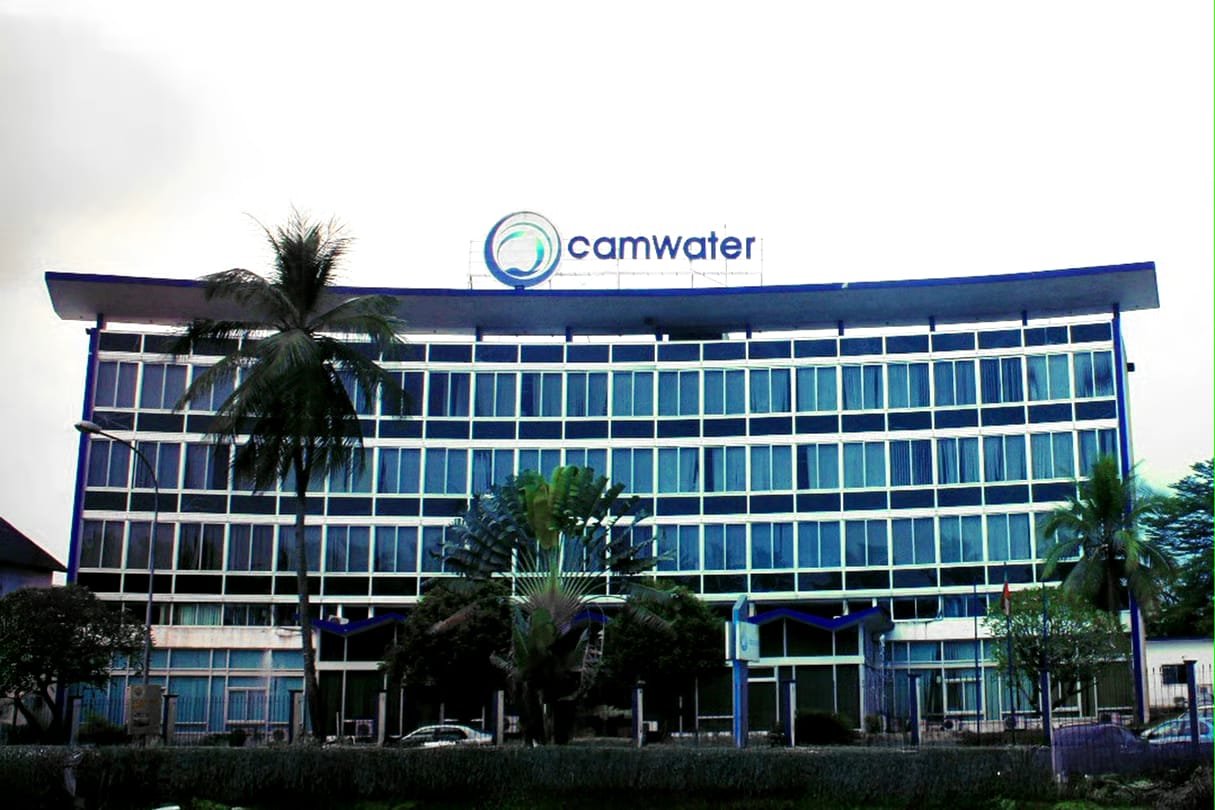
The Cameroon Water Utilities Corporation (Camwater) has finalized a major procurement plan, allocating 10.66 billion FCFA for the acquisition of essential water treatment chemicals. This investment, funded by the 2026 operating budget, follows a national tender launched in late 2025 aimed at securing supplies for human consumption. Following internal reviews in January 2026, the contract was divided into ten distinct lots awarded to various enterprises—including Solevo Cameroon, Afcott, and Medinov—with completion deadlines ranging from five to six months. This financial mobilization underscores the utility’s commitment to maintaining the chemical stocks necessary for large-scale purification.
This significant expenditure arrives at a critical time as the corporation faces mounting scrutiny over the quality of its distributed water. Internal reports have previously identified technical failures at key production sites, most notably the Akomnyada treatment plant. These documents highlighted deficiencies in the ultrafiltration systems and a lack of precision in dosing chemicals like ferric chloride and sodium hydroxide. Such malfunctions have led to persistent consumer complaints regarding water that appears discolored, muddy, or laden with solid particles, directly challenging the efficiency of the current treatment infrastructure.
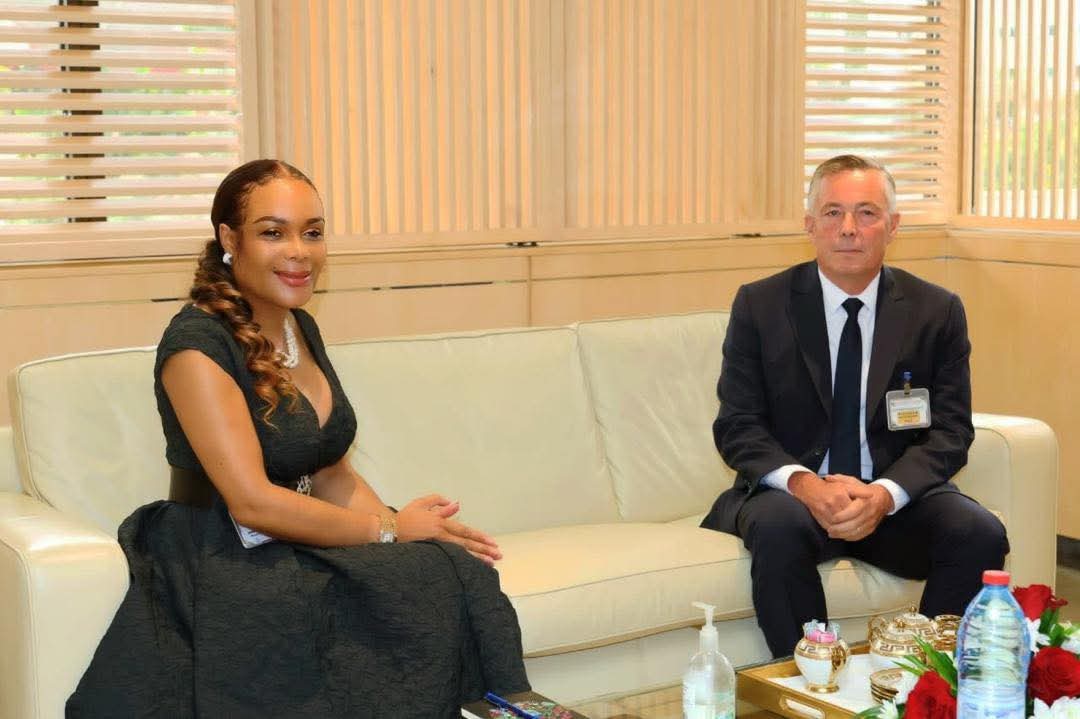
Addressing these concerns, the Minister of Water and Energy, Gaston Eloundou Essomba, has publicly defended the safety of the water supply while acknowledging localized issues. He noted that discoloration often occurs after prolonged outages or is caused by the deterioration of galvanized steel pipes in older homes. In such instances, the Ministry advises citizens to let their taps run for a minute to clear sediment. To improve transparency and responsiveness, the government has encouraged the use of the toll-free number 8121, allowing consumers to report quality issues directly to the authorities.
Despite the visible shortcomings in some areas, Camwater maintains that its processes align with both national and World Health Organization (WHO) standards. The government asserts that internal quality control mechanisms are robust and supplemented by unannounced audits from independent external laboratories. The current 10.66 billion FCFA investment is seen as a strategic move to rectify the dosing errors identified in previous audits by ensuring that high-quality chemical inputs are consistently available for the purification cycle across all regional stations.
Ultimately, this procurement program represents a dual effort to stabilize the national water supply and restore public confidence. By decentralizing the supply chain across multiple contractors and securing a steady flow of treatment reagents, Camwater aims to eliminate the “uncontrolled dosing” issues of the past. As the 2026 financial year progresses, the success of this multi-billion FCFA project will be measured by the clarity and safety of the water reaching Cameroonian households, as well as the utility’s ability to maintain these standards under rigorous independent testing.
By Louisa Kinyuy