On Thursday, February 26, 2026, a transformative initiative was launched at the Mezam SDO’s Esplanade to safeguard the North West Region’s vital “Ring Road.”
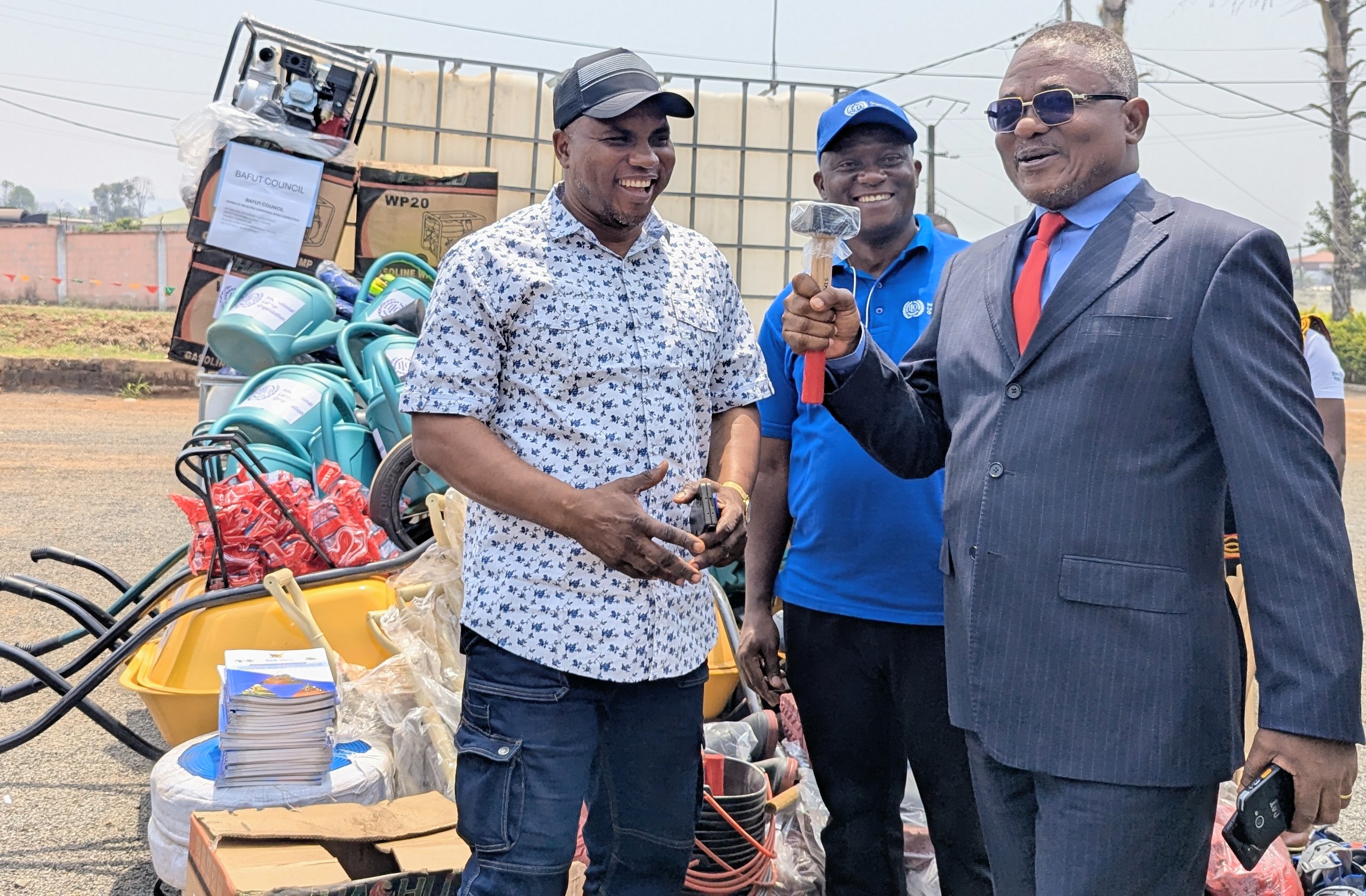
Eighty-five Communal Road Committees, representing 17 different councils, were equipped with essential maintenance tools—including wheelbarrows, pickaxes, and shovels—to take ownership of the infrastructure that connects their communities. This is a collaborative effort between the Ministry of Public Works, the International Labour Organization (ILO), and the African Development Bank which aims to move away from reliance on expensive, external machinery in favor of a sustainable, community-led model of preservation.
The strategy utilizes the High Labour-Intensive Method (HIMO), which prioritizes hiring and training local youth to maintain drains, fill potholes, and manage earthworks. By empowering residents to act as first responders to road degradation, the program ensures that small issues are fixed before they escalate into costly craters that isolate villages from hospitals and schools.
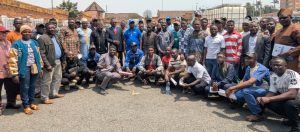
Regional Delegate of Public Works, Nfor Cyprian Ngenge, during the event emphasized that the gesture is more than a technical project; it is a tool for social inclusion that provides young men and women with both immediate income and long-term vocational skills.
The Ring Road serves as a critical economic lifeline, winding through hills and valleys that host dairy farms and vast plantations of potatoes, maize, and cassava. For years, local councils have struggled with limited budgets to keep these paths usable, often leading to rotted harvests and restricted access to emergency services.
By establishing these committees in areas ranging from Bamenda to Kumbo and Wum, the government is transforming passive beneficiaries into active partners. As ILO National Project Coordinator Etienne Tah Tayong noted, these communities are now the primary managers of the infrastructure that supports their daily survival.
Mayors across the region who were present at the Esplanade expressed significant relief, acknowledging that while maintenance was previously attempted, the lack of proper equipment often slowed down progress. Dr. Mborong Venasius Bongkiyung, the Mayor of Kumbo Council, highlighted the realistic challenges of runoff and wear, pledging to use the new tools “judiciously” to protect the road from further deterioration. The handover ceremony signaled a shift in local governance, where the focus has moved toward proactive planning and the immediate deployment of resources to the most vulnerable stretches of the corridor.
Beyond simple repairs, the initiative is designed to spark a broader economic evolution in the North West. Better roads facilitate faster market access, and officials are now encouraging these trained youth to form cooperatives for processing local produce like cassava flour and dairy products. By building one skill upon another—from road maintenance to agribusiness—the program aims to create a cycle of development that persists long after the initial project ends. The government’s ultimate goal is to expand this model until every council in the region is equipped to turn these tools of “hope” into lasting prosperity.