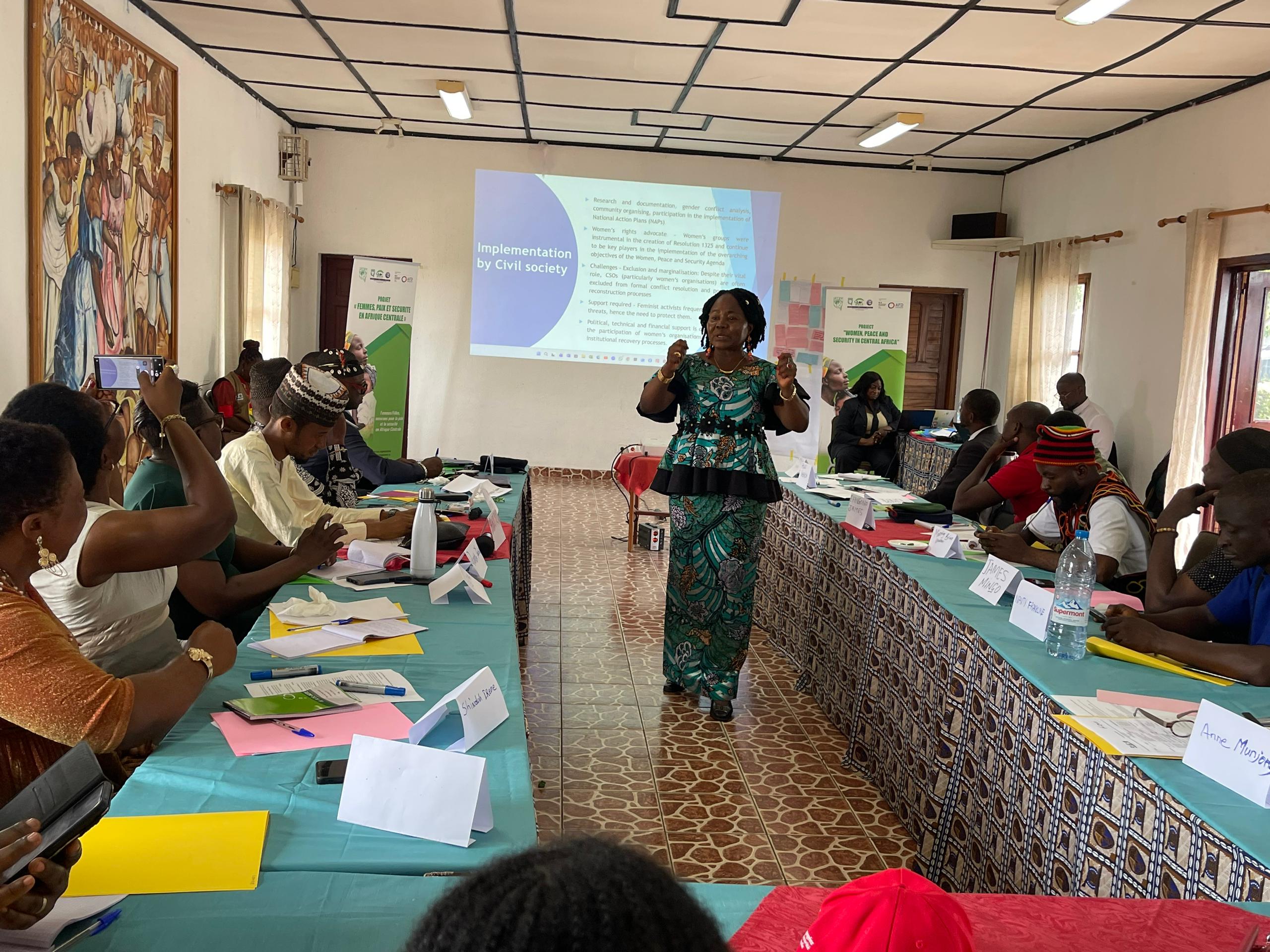
In a decisive step toward sustainable peace, the ”Association de Lutte contre les Violences faites aux Femmes ALVF” convened a high-level capacity-building seminar in Buea from April 29 to May 1, 2026.
This initiative, which is part of the FPS-AC project, aimed to harmonize the efforts of government ministries, traditional and religious leaders, and civil society organizations in implementing UN Resolution 1325.
By focusing on the North-West and South-West regions, the seminar sought to bridge the coordination gap between institutional actors and grassroots leaders, ensuring that the “Women, Peace, and Security” agenda moves from theory to impactful local action.
The seminar’s curriculum addressed the multi-faceted nature of conflict resolution, with a specific focus on Cameroon’s National Action Plan – NAP 1325. Central to these discussions was the concept of positive masculinity, encouraging men and traditional leaders to become active allies in the protection of women and girls.
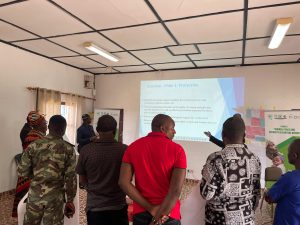
Through structured dialogue, the 26 participants from the crisis-affected regions explored advocacy strategies designed to dismantle the barriers that currently limit women’s involvement in formal peace processes.
As a core component of the Feminist Civil Society Organizations Support Fund – FSOF, supported by the French Development Agency – AFD, the project operates through a consortium of feminist organizations across Cameroon, CAR, and the DRC.
In Cameroon, the strategy is built on three pillars: providing technical and financial grants to grassroots CSOs, enhancing the operational capacities of feminist leaders, and establishing a robust networking mechanism. This systemic approach ensures that local initiatives are not only well-funded but also strategically aligned with national and sub-regional peacebuilding goals.
The diverse array of attendees underscored the seminar’s inclusive philosophy. Traditional leaders, once viewed as gatekeepers of patriarchal norms, expressed a transformed understanding of women’s roles in conflict resolution. “Women bring a more inclusive and socially cohesive approach,” noted one of the leaders, highlighting a shift toward viewing women as essential architects of peace rather than secondary participants.
Simultaneously, youth advocates emphasized their role in mobilization, utilizing modern tools to ensure that the message of gender equality reaches the furthest corners of their communities.
The three-day event is set to conclude with a clear roadmap for the future: the establishment of the WPS-AC Network in Cameroon. By expanding the database of partners and deepening the knowledge base of key stakeholders, the ALVF and its partners have laid the groundwork for a more synchronized response to the socio-political crisis.
The ultimate goal remains a transition from symbolic representation to the real, impactful inclusion of women and youth in every stage of conflict management and decision-making.