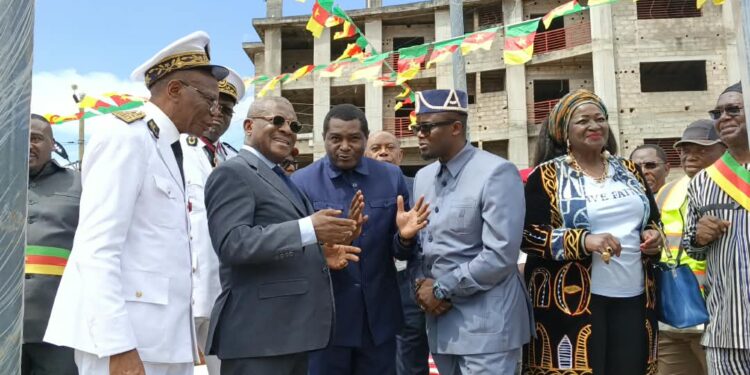
The Mbam-et-Inoubou division has taken a major step forward in promoting local talent and regional heritage. On August 12, 2026, the Minister of Small and Medium-sized Enterprises, Social Economy and Handicrafts, H.E. Achille BASSILEKIN III, officially inaugurated a new Artisanal Showcase and Rest Area in the municipality of Kon-Yambetta.
Constructed through a strategic public-private partnership with local municipal authorities, this new infrastructure marks a significant milestone in empowering local producers and enhancing regional infrastructure.
Designed as a multi-purpose hub, the facility provides local artisans with a dedicated platform to display, market, and commercialize their craftwork. Beyond serving as a vibrant marketplace, the facility doubles as a rest area for travelers along the transit corridor, raising the profile of Kon-Yambetta while celebrating the rich cultural traditions of the area.
The Mbam-et-Inoubou region is widely recognized for its vibrant artistic legacy, sustained by communities such as the Yambassa, Bafia, Banen, and Nyokon. Artisans across the region specialize in a broad spectrum of traditional skills, including wood carving, basketry, pottery, weaving, local food processing, and jewelry making. By centralizing these crafts in a modern space, the project directly creates sustainable income-generating opportunities and fuels local employment.
This milestone reinforces a broader developmental strategy across the department following the launch of the Ndikiniméki Special Artisanal Village in May 2025. Spanning 2,000 square meters, the Ndikiniméki facility established a modern standard for artisan production, training, and commercial outreach. Together, the facilities in Ndikiniméki and Kon-Yambetta form a robust network intended to transform local cultural heritage into a dynamic driver of territorial growth.
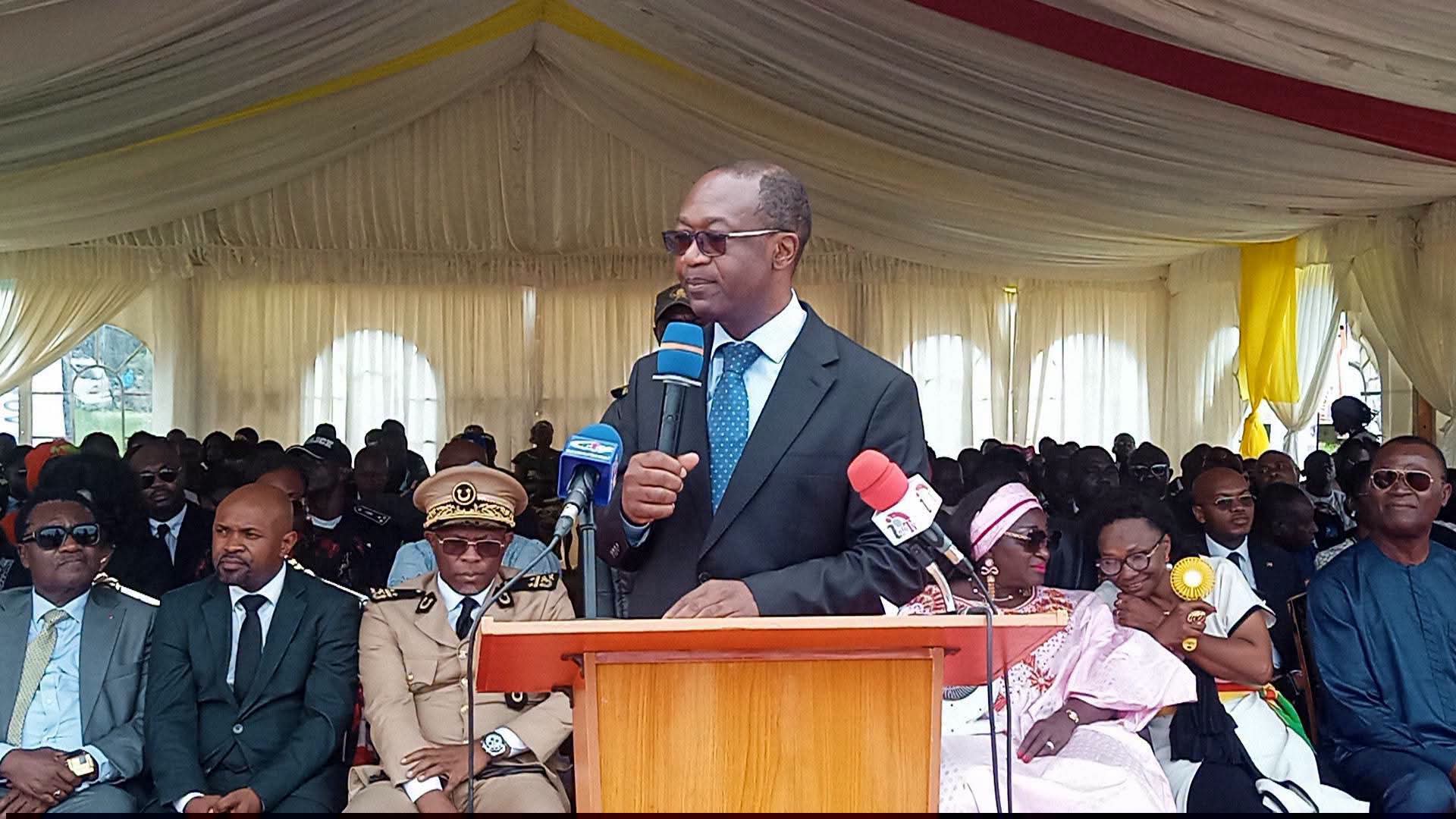
The inauguration event brought together notable figures, including the Minister of Housing and Urban Development, Célestine Ketcha, the Mayor of Kon-Yambetta, Ursule Arroye, and administrative authorities alongside local elites and traditional craftspeople. Supported by MINPMEESA, these integrated efforts showcase Cameroon’s broader commitment to decentralization, empowering communities to build competitive, innovative, and self-sustaining economic ecosystems from the ground up.