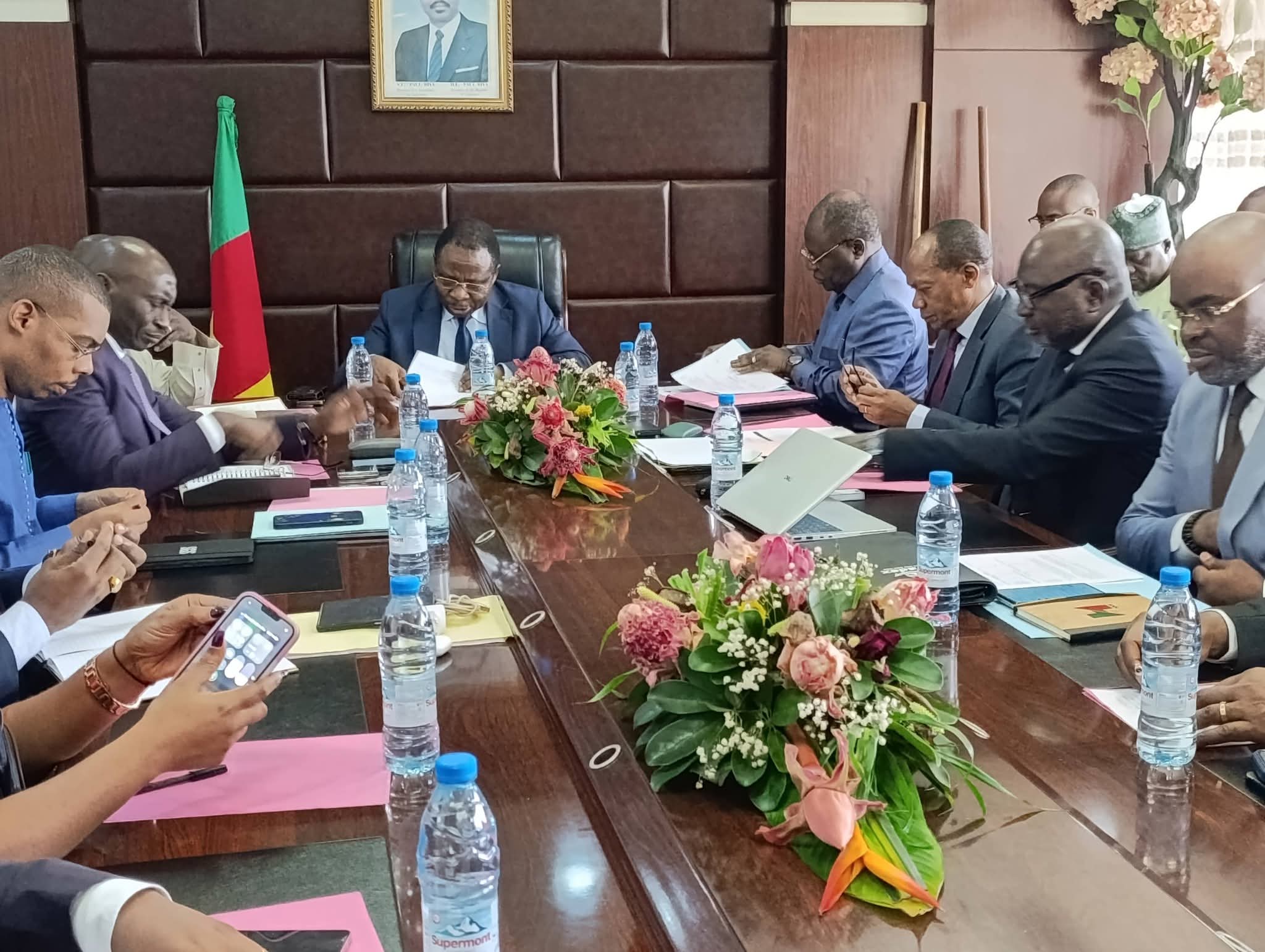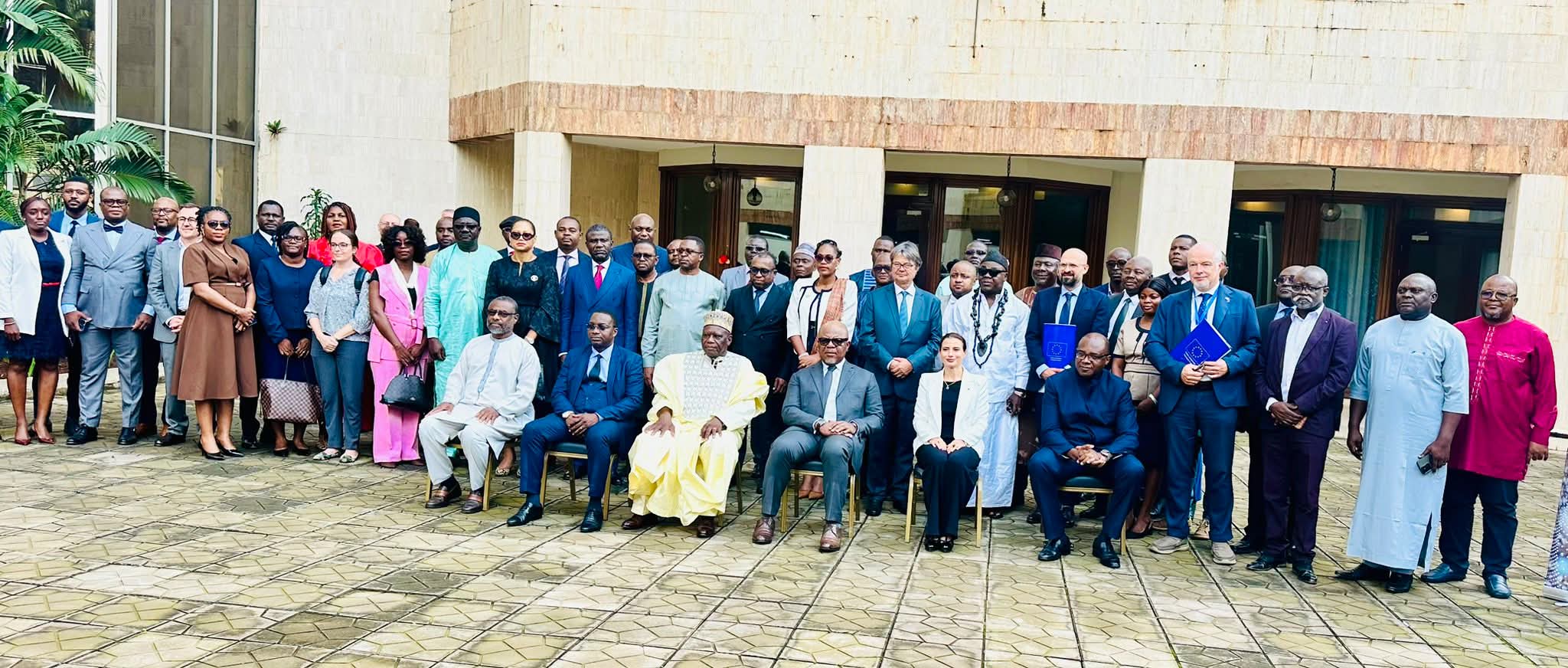
The final evaluation and reporting workshop for the Banana Accompanying Measures Program – MAB took place in Yaounde on September 23, 2026, marking the successful completion of a major long-term initiative.
The event was co-chaired by Paul Tasong, Minister Delegate to the Minister of Economy, Planning and Regional Development – MINEPAT, alongside Her Excellency Veronika Boskovic Pohar, European Union Ambassador to Cameroon, and key sector partners. Designed within the framework of the Cameroon–EU cooperation, the MAB program has served as a cornerstone for strengthening and expanding Cameroon’s banana sector over the past decade.
Financed through the European Union, the program mobilized over 31 billion FCFA, approximately €47 million, in grants since the initial agreement was launched in 2013. These funds were directed toward modernizing infrastructure, acquiring state-of-the-art equipment, and driving productivity across commercial plantations. Beyond hardware investments, a significant portion of the funding was channeled into international certification processes, helping Cameroonian banana exports adhere to strict global standards while improving working conditions and preserving vital jobs in rural production zones.
Human capital development remained a primary pillar throughout the program’s ten-year deployment. The initiative provided comprehensive training and capacity-building opportunities for workers across the entire value chain, supporting both major production operators and collective initiatives led by the Banana Association of Cameroon – ASSOBACAM. By investing heavily in technical skills, the program built a more resilient workforce capable of sustaining high quality and competitiveness in international markets.
The wrap-up workshop provided an essential platform to capitalize on the technical, economic, social, and environmental achievements realized over more than ten years of implementation. Through MINEPAT, the Cameroonian government aims to consolidate these strategic gains to define clear future perspectives for the banana industry, which represents one of the nation’s top non-oil agricultural exports and a vital source of foreign exchange.
This long-term cooperation aligns directly with the priorities of Cameroon’s National Development Strategy 2030 – SND30, particularly regarding economic structural transformation, productive sector growth, and employment creation.
The successful conclusion of the MAB program highlights the enduring strength of the Cameroon-EU partnership, reinforcing its role as a key driver for sustainable economic growth and job creation across the country.