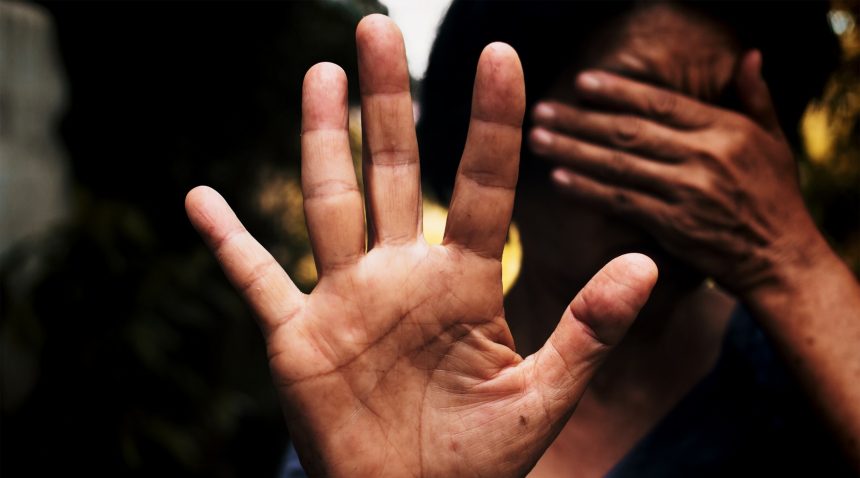
Cameroon registered 4,883 reported cases of gender-based violence – GBV between January and June 2026, according to data compiled by the Ministry of Women’s Empowerment and the Family – MINPROFF.
The stark figures highlight a deepening protection crisis across all ten regions of the country, prompting urgent calls from human rights organizations and international bodies for comprehensive legal reform, stronger institutions, and improved public service delivery.
Regions impacted by prolonged conflict and displacement accounted for the majority of the reported incidents. The Far North topped the nation with 1,828 cases, representing roughly 37% of the total, followed by the South West with 980 cases and the North West with 451.
The South West’s high burden is particularly striking given its smaller population compared to major urban hubs like the Centre (423 cases) and Littoral (264 cases) regions. The remaining cases were distributed across the South (346), North (209), East (174), West (122), and Adamawa (106).
Humanitarian agencies point to severe instability as the primary accelerator of gender-based violence in the hardest-hit areas. In the Far North, North West, and South West, years of conflict, kidnapping, and displacement have dismantled local livelihoods, disrupted educational systems, and restricted access to basic health and justice services. A 2026 UNFPA situation report underscored that women and children in these volatile environments face heightened exposure to sexual violence, domestic abuse, and economic precarity.
In June 2026, United Nations representatives expressed deep concern over rising reports of sexual violence against children, infanticide, and femicide across Cameroon. Human Rights Watch – HRW echoed these warnings, emphasizing that while the figures demonstrate a distressing surge, they reflect only a fraction of the problem. HRW noted that MINPROFF officials themselves regard official tracking as “the tip of the iceberg” due to structural barriers in data collection.
Under-reporting remains widespread throughout the country, heavily constrained by social stigma, fear of retaliation, financial dependence on perpetrators, and cultural pressure to keep family matters private. The absence of a unified, disaggregated national reporting system further complicates efforts to capture the full scope of domestic abuse and systemic violence, leaving many survivors isolated from legal recourse or medical care.
In response to the escalating demand for aid, humanitarian organizations continue to deliver essential frontline relief. According to recent UN evaluation metrics, local interventions have established safe spaces providing direct psychosocial assistance to thousands of women, alongside distributing dignity kits to tens of thousands of young girls and survivors across crisis-impacted communities.
Addressing the national crisis requires concerted, multi-sectoral action from government institutions, community leaders, and international stakeholders.
While conflict zones suffer from acute compound vulnerabilities, gender-based violence remains a pervasive issue across all ten regions of Cameroon, demanding systemic legal reforms, economic empowerment for women, and guaranteed access to justice for survivors nationwide.