The Network of Sustainable Development Actors dubbed RADD is actively championing indigenous knowledge as a powerful driver of climate resilience.
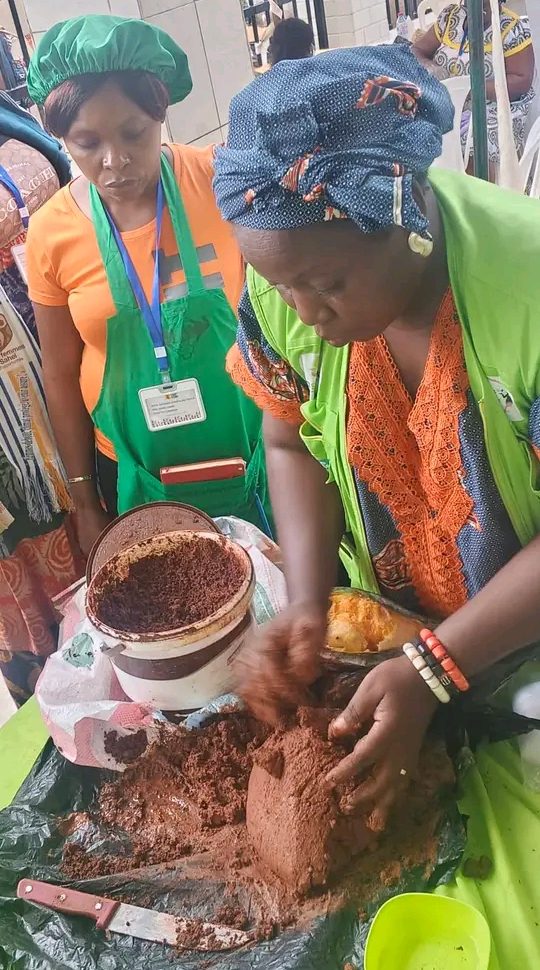
The organization recently hosted a hands-on workshop in Yaounde which focused on the craft of seed brick making, an eco-friendly technique designed to safeguard seed biodiversity.
Held alongside the African Women’s Climate Assembly, hosted from October 5 to 8 by the WoMin African Alliance and its partners under the theme “Our Lands, Our Voices, African Women United for Climate Justice and Reparations,” the event brought together approximately thirty women from diverse backgrounds to explore this accessible and sustainable conservation method.
Amid escalating climate impacts, localized strategies are proving essential for building enduring community resilience. RADD’s practical session provided participants with direct experience in creating seed bricks, demonstrating how simple, low-tech solutions can yield significant environmental benefits. By introducing this accessible ecological tool, the workshop equipped local leaders with actionable methods to protect native plant species while adapting to increasingly unpredictable weather patterns.
Beyond the immediate hands-on training, the initiative serves a broader ecological purpose by conserving traditional seeds and preserving regional plant diversity. By encouraging the intergenerational transfer of agricultural knowledge, RADD aims to strengthen the capacity of African women to lead environmental protection efforts.
Furthermore, the program underscores the critical value of endogenous wisdom in developing climate responses that directly reflect the realities of communities reliant on local ecosystems for their livelihoods.
The workshop also established a vibrant platform for knowledge exchange, allowing women to share traditional techniques and peer-to-peer insights. It highlighted the fundamental role women play in managing natural resources, protecting agricultural heritage, and advancing sustainable agroecological practices. These grass-roots exchanges reinforce the idea that effective environmental stewardship begins with empowering those who work directly with the land.
RADD demonstrates that fighting climate change requires more than top-down international treaties; it demands community-level initiatives that are scalable, affordable, and culturally grounded. By promoting seed bricks, the network advances an integrated model that pairs biodiversity conservation with women’s empowerment and local expertise.
This effort advances a vital movement across the continent: positioning African women as central leaders in climate justice and sustainable development.