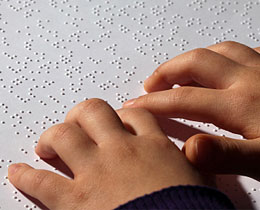
Cameroonians joined the rest of the International body to celebrate World Braille Day 2026 on January 4, 2026. A day set aside to celebrate the remarkable innovation of Braille and to advocate for greater accessibility and inclusivity for people who are blind and visually impaired.
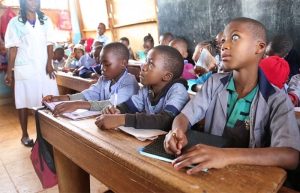
This year’s celebration had as theme “More Braille: More Empowerment.” a theme jointly adopted by the World Blind Union – WBU and the International Council for Education of People with Visual Impairment – ICEVI.
On the occasion, the Cameroon Human Rights Commission – CHRC used the opportunity to reaffirm its commitment to the inclusion and authority of visually impaired persons in a statement released on the day. In the document, the commission highlighted its own progress in terms of accessibility, notably the embossing of 150 official statements into Braille to ensure the right to information with 23 statements published in 2024 and 26 in 2025. It equally commended the efforts of civil society organizations, such as the Club for the Rehabilitated Young Blind People of Cameroon, known by French acronym CJARC, in their advocacy against discrimination in recruitment and the efforts made towards the creation of a more inclusive society that encompasses everyone.
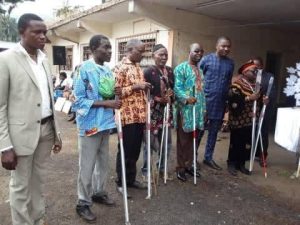
Despite these efforts, the CHRC expresses deep concern regarding the underrepresentation of persons with disabilities in the public sector, who make up only 5.8% of state employees. The statement identifies significant barriers to equality, including a lack of specialized training for social services personnel and insufficient infrastructure. These gaps hinder the ability of visually impaired individuals to access essential services and exercise their “root-right” to a legal identity.
As a means of addressing these challenges, the CHRC calls for immediate institutional reforms, which will include the implementation of a nationwide policy on inclusive recruitment with a minimum legal quota for persons with disabilities. It equally recommends that the Cameroonian government increase financial support for families, adapt public competitive examinations for accessibility and expand vocational training programs.
These actions are deemed as essential steps toward fulfilling Cameroon’s international human rights commitments and ensuring social justice for all.