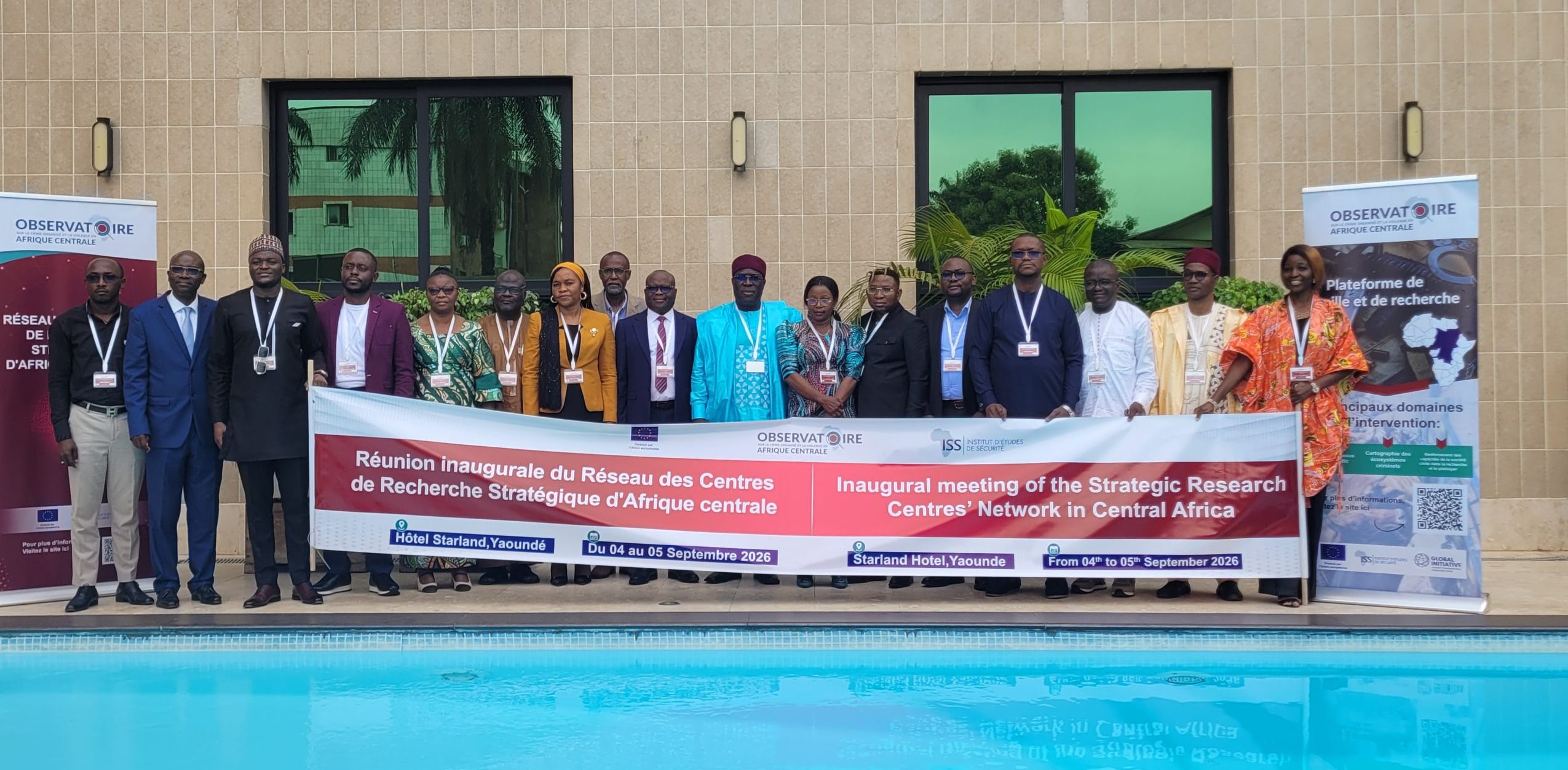
Professors and researchers representing eleven strategic research units from universities across Cameroon, Gabon, Chad, and the Democratic Republic of Congo gathered at the Star Land Hotel in Yaounde on September 4, 2026, for the inaugural meeting of a new regional research network.
The two-day gathering aimed to establish a collaborative alliance among academic institutions across the four nations to strengthen their collective capacity in analyzing, reporting on, and advocating against organized crime and armed violence in Central Africa.
At the core of the initiative is the Central African Observatory on Organized Crime and Violence, an initiative launched in 2024 by the Institute for Security Studies – ISS in partnership with the Global Initiative Against Transnational Organized Crime – GI-TOC.
Running through 2027, the project seeks to establish a regional civil society observatory focused on analyzing the crime-conflict nexus, mapping criminal ecosystems, and building advocacy capacities across Central Africa. Its broader objectives center on generating reliable data, strengthening civil society research, and encouraging regional authorities to adopt evidence-based judicial and policy responses.
Director of the Observatory, Professor Saïbou Issa, emphasized that the initiative bridges the gap between academic research and public policy action. He noted that while universities possess extensive scientific expertise across complex issues like financial crime, ransom kidnapping, human trafficking, and cybercrime, these threats form an interconnected criminal ecosystem.
He outlined that following the conference, the network will prioritize specialized training to help academic researchers transition theoretical findings into actionable policy tools, enabling decision-makers to effectively address cross-border crime trends.
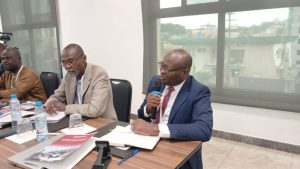
Focusing on the necessity of regional cooperation, Professor René Joly ASSAKO ASSAKO, Dean of the Faculty of Arts, Letters and Human Sciences at the University of Douala and representative of the Center for Research and Study in Geoeconomics, Geopolitics and Geostrategy of Coastal and Maritime Spaces (3GELM), expressed optimistic hope regarding the network’s potential to transform Central Africa’s security stance.
He laid emphasis on the fact that local expertise is far from lacking among regional universities and scholars; rather, the critical missing link has been the coordination, resource sharing, and mutualization of expertise required to counter global threats with unified measures.
Scholars from across the region echoed the urgent need for a coordinated, cross-border approach to dismantle regional criminal networks. Professor Régine Nambuwa from the University of Kinshasa, representing the Center for Criminology and Social Pathology, highlighted that isolated efforts are insufficient against pervasive issues like the illegal trade of minerals leaving the DRC via neighboring countries.
Similarly, Professor Serge Loungou of Omar Bongo University in Gabon stressed that the initiative breaks “geopolitical disengagement,” allowing researchers to collaboratively study trans-boundary crimes such as child trafficking and wildlife poaching in shared national parks.
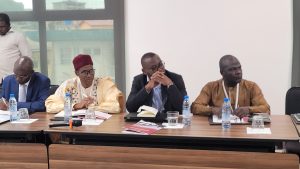
Furthermore, the delegates will draft an initial work plan covering the next 12 to 24 months, conduct group presentations, formally establish the network, and adopt a consolidated roadmap before officially closing the event.
Following the conclusion of the two-day event, the strategic research centers will coordinate with their respective universities to implement the agreed-upon initial work plan.
The immediate next phase will focus on rolling out targeted methodology and reporting training programs for network members, laying the groundwork for long-term strategic foresight, research collaboration, and evidence-based policy advocacy across Central Africa.