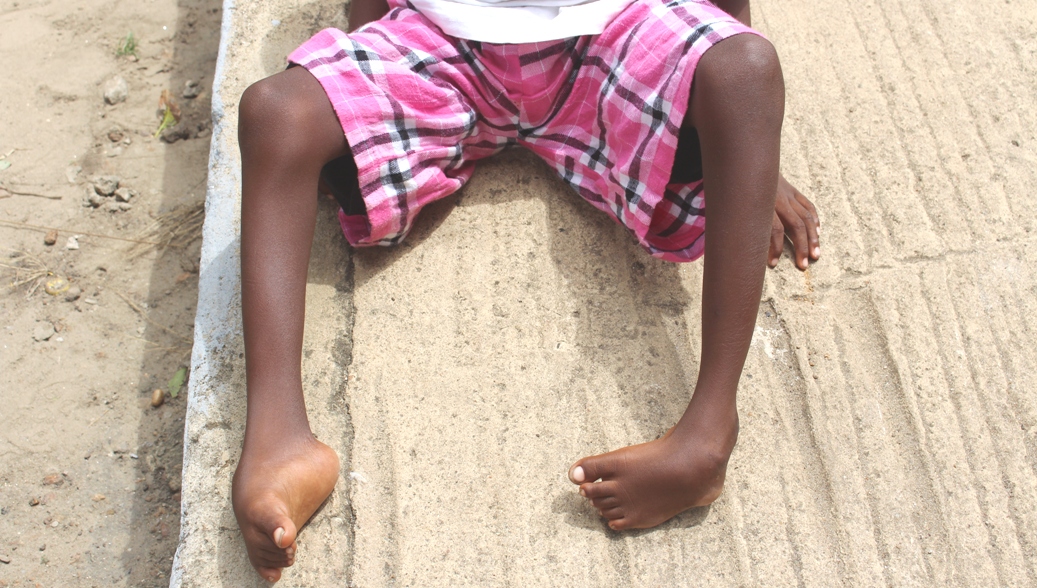
In the West region of Cameroon, managing clubfoot—a congenital musculoskeletal malformation where a newborn’s foot turns inward—remains a pressing public health challenge.
With an average of 200 cases reported annually in this administrative unit and over 600 treated since 2022, healthcare providers continue to encounter significant hurdles in early diagnosis. For many young mothers like 23-year-old Sorelle N. from Bamougoum, discovering a newborn with this physical anomaly brings deep anguish and social isolation, fueled by widespread neighborhood gossip and harsh cultural judgments.
The delay in seeking early medical intervention is largely driven by deeply ingrained traditional beliefs. Throughout many communities in western Cameroon, physical malformations at birth are frequently interpreted as signs of divine retribution, ancestral anger, or a family curse rather than biological conditions. Traditional healers and local cultural perspectives often dictate that families must perform spiritual purification rites to address genealogical or social disorders before considering clinical options. Consequently, valuable time is lost on traditional remedies like incisions and decoctions, allowing the child’s soft bones to harden in a deformed position.
Healthcare professionals and clinical psychologists are actively working to break down these persistent cultural barriers. Early medical treatment—ideally starting within the first few days or weeks of life—boasts a success rate exceeding 95%. Medical experts like nurse Aude Makoum emphasize the Ponseti method, a non-surgical technique utilizing a series of corrective plaster casts followed by customized splints to gradually align the foot. When initiated early, this approach successfully corrects the malformation in over 90% of cases without requiring major surgical procedures.
To meet the regional demand, health authorities and partner institutions have expanded specialized treatment infrastructure across the West region. Five dedicated centers are currently operational in major towns including Bafoussam, Dschang, Bangangté, and Foumban. Facilities such as the Baptist Hospital in Bafoussam, operating under the Cameroon Baptist Convention Health Services – CBCHS, treat dozens of children routinely. Thanks to long-standing agreements with the Ministry of Public Health, much of this corrective care is provided virtually free of charge to families, offering visible hope to parents whose children achieve full physical mobility.
While the exact origins of clubfoot remain complex, medical experts link the condition to a combination of genetic predispositions, poor fetal positioning, and low amniotic fluid levels during pregnancy. While absolute prevention is impossible, gynecologists recommend regular prenatal consultations, ultrasound monitoring, and avoiding tobacco exposure during pregnancy. Nationwide, researchers estimate that clubfoot affects approximately 1.1 per 1,000 live births in Cameroon, translating to roughly 770 to 880 new cases across the country every year.
Initiatives like the national Clubfoot Control Program (Cameroon Clubfoot Care), launched by the CBCHS in 2014, have successfully rehabilitated over 2,500 children across the country over the past decade. However, medical leaders like regional coordinator Dr. Nkouongnam Inoussa stress that eliminating stigma and enhancing community outreach remain essential to reaching every affected child in time.
Transforming clubfoot from a perceived lifetime curse into a completely treatable condition relies on convincing families that modern medicine, rather than isolation or spiritual rites, holds the key to their child’s future.