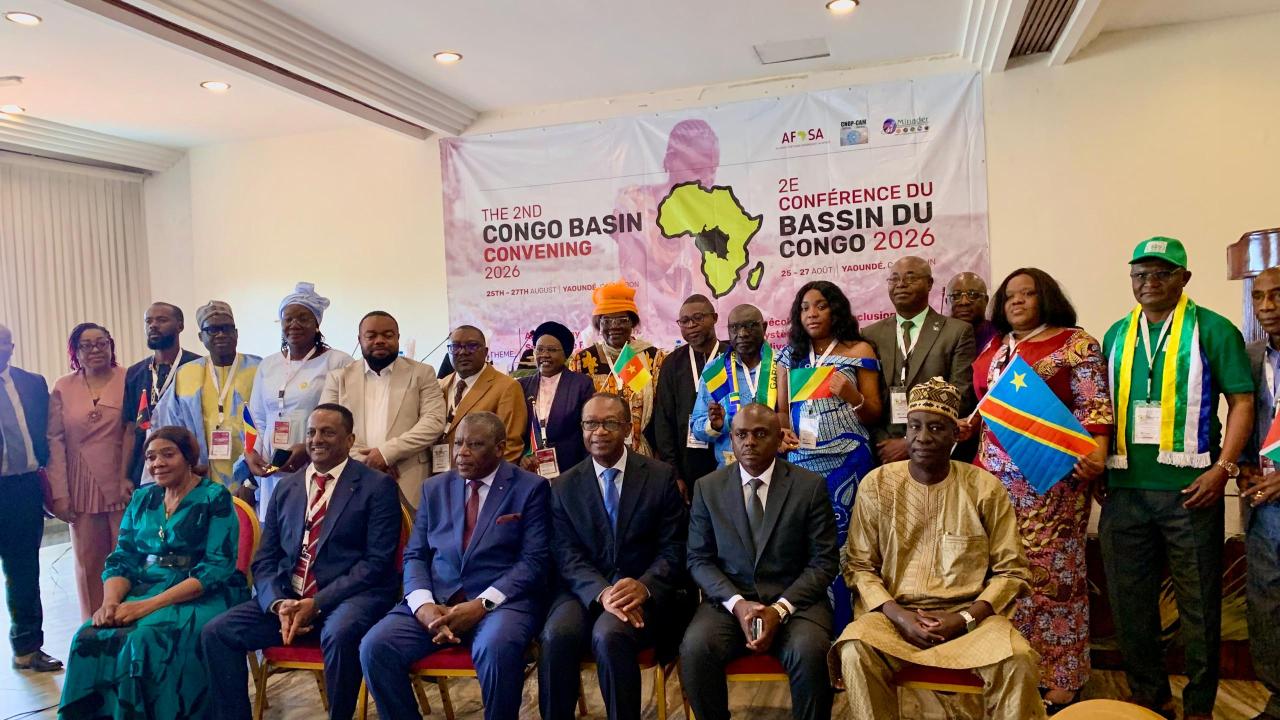
The Cameroonian capital of Yaounde has become the focal point for regional environmental action, hosting the second Congo Basin Conference on agroecology, food security, and biodiversity protection.
Organized by the Alliance for Food Sovereignty in Africa – AFSA, the three-day event brings together delegates from fifteen countries alongside experts, civil society representatives, and local producers. Presided over by Minister of Agriculture and Rural Development Gabriel Mbairobe, the gathering addresses the critical challenge of ensuring long-term food security while reducing pressure on the vital natural resources of the Congo Basin.
The Congo Basin serves as both a primary ecological anchor for global climate regulation and a direct source of livelihood for millions of inhabitants. However, this delicate equilibrium faces severe threats from environmental degradation, erratic weather patterns, persistent droughts, and severe flooding across the region.
Leaders at the conference emphasized that regional solidarity and unified strategies are essential to counter these accelerating threats, ensuring that rural communities can build resilience against unpredictable climate shocks.
To confront these constraints, Cameroon is prioritizing sustainable agricultural policies integrated directly into its National Development Strategy 2020–2030. The government highlighted key regulatory and operational milestones, including landmark organic production legislation, partnerships with rural development organizations like SAILD, and the establishment of an agroecological transition desk.
By encouraging practical methods such as agroforestry, composting, and sustainable land management, the country aims to modernize its farming landscape while safeguarding soil health.
A core priority of the assembly is translating policy discussions into direct operational support for vulnerable populations. Organizers stressed that systemic agricultural transformation requires inclusive participation, giving strategic weight to the roles of women, youth, and indigenous communities. Key agenda items focus on critical enablers of change, including securing land access for family farms, expanding dedicated agricultural financing, integrating traditional ecological knowledge, and fostering accessible technological innovation.
Beyond local initiatives, the conference seeks to establish a binding roadmap for cross-border cooperation across central Africa. Participants aim to adopt the Yaoundé Declaration, an operational framework designed to streamline regional policies, accelerate sustainable farming methods, and mobilize development resources. This shared vision positions agroecology not merely as an alternative farming technique, but as a mandatory strategy for climate justice, ecological conservation, and regional self-reliance.
Ultimately, the Yaounde summit underscores a fundamental shift in how the Congo Basin approaches its agricultural future. The transition away from conventional practices highlights an urgent necessity: meeting the nutritional demands of a growing population without destroying the ecosystems that sustain them.
By committing to produce differently and sustainably, the participating nations are laying the groundwork for resilient food systems capable of enduring future climate uncertainties.