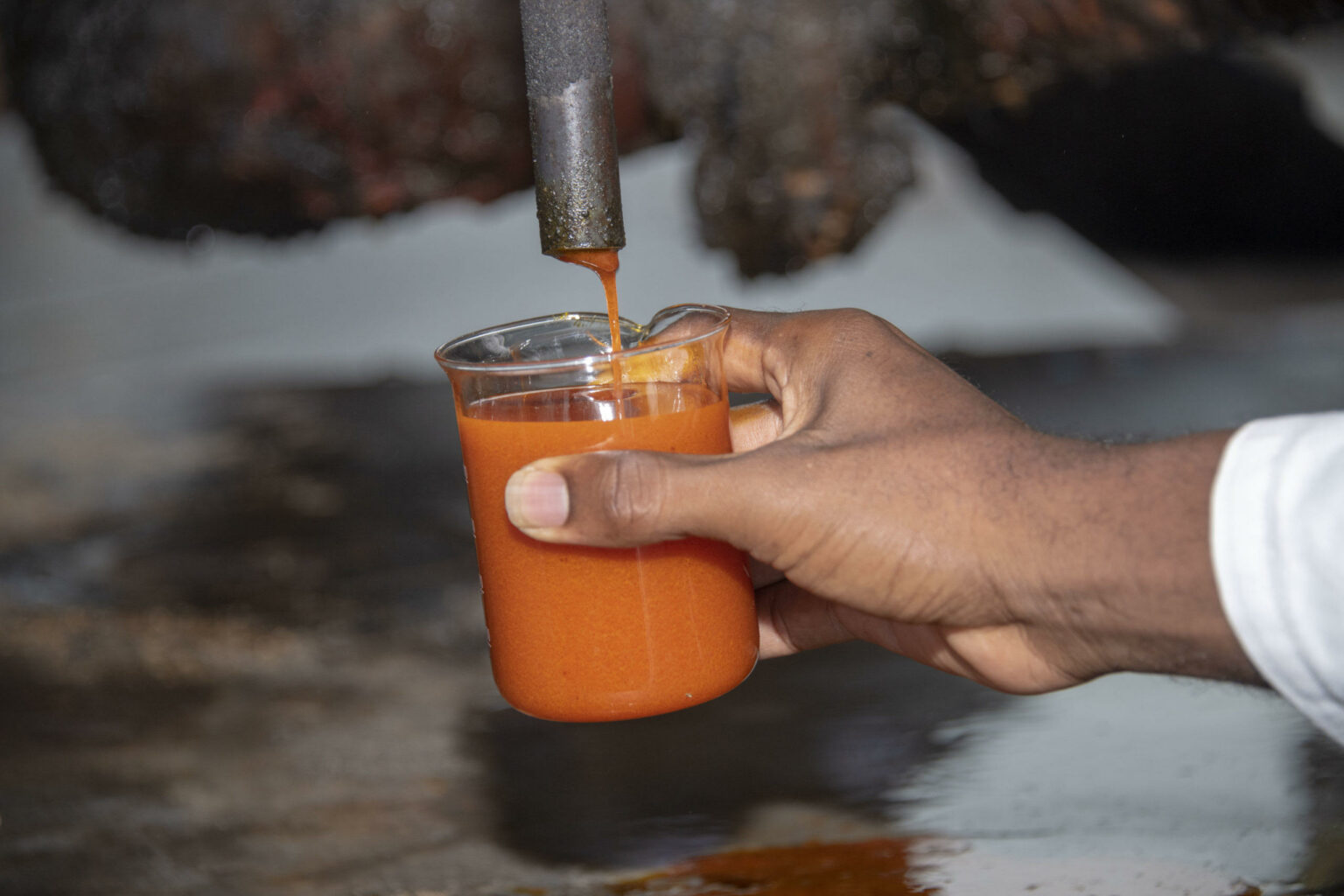
Socapalm, the Cameroonian subsidiary of the Socfinaf group, operates an agro-industrial model in regions like Édéa, Kienké, Mbongo, Mbambou, and Dibombari, whose reach extends far beyond palm oil production.
By integrating essential social and health services into its daily operations, the company actively structures rural areas that often lack adequate public infrastructure. Documented in the group’s recent 2025 Sustainability Statement, this approach outlines the indicators, ongoing progress, and practical limitations of balancing commercial output with community welfare.
Operating across eight Central and West African countries, the Socfinaf Group maintains a substantial workforce numbering 25,853 employees as of December 31, 2025, which includes 21,493 permanent staff, 4,360 day laborers, and 8,087 women. In Cameroon alone, entities under the group employ approximately 8,000 people. These considerable figures underscore a widespread operational presence that profoundly impacts local employment, household income, and regional economic activity in areas situated far from major urban centers.
Worker well-being is heavily prioritized through a comprehensive health and safety management system built on regulatory compliance and best practices. This framework incorporates rigorous risk assessment, mandatory training, personal protective equipment, routine facility inspections, and systematic incident analysis. At Socapalm, these internal measures are further reinforced by the compliance obligations of Roundtable on Sustainable Palm Oil – RSPO certification, which periodically audits working conditions and the strict protection of employee rights.
Beyond workplace safety, the group operates dedicated health centers, clinics, and hospitals that deliver medical consultations for employees and their families, complete with ambulances designated for emergency evacuations. In the educational sphere, the company builds and renovates schools, supports teaching staff, provides essential learning equipment, organizes school transport, and grants merit-based scholarships. These vital initiatives help maintain educational access in remote areas where state coverage remains limited.
Robust social dialogue is another cornerstone of the model, with 63% of group employees—and a full 100% in Cameroon—covered by collective bargaining agreements by 2025. Transparent alert mechanisms, regular consultations, and active employee representation ensure concerns are swiftly addressed.
Additionally, specialized gender committees work to prevent workplace violence and discrimination, while indigenous communities, such as the Bagyéli in Cameroon, participate in formal consultations aligned with international standards.
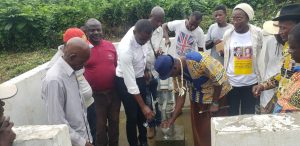
Ultimately, Socapalm’s territorial anchoring involves substantial investments in collective infrastructure, including roads, clean water systems, electrification, and recreational sports fields.
The company has also run capacity-building programs for local producers since 2021, offering practical training and logistical support. By explicitly linking economic performance with long-term social investment, Socapalm demonstrates that industrial viability relies heavily on workplace safety, constructive dialogue, and enduring trust among the company, its workforce, and surrounding communities.