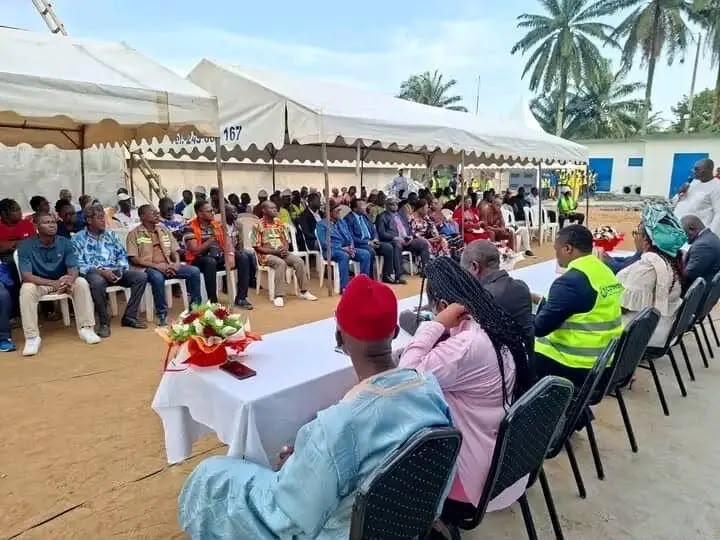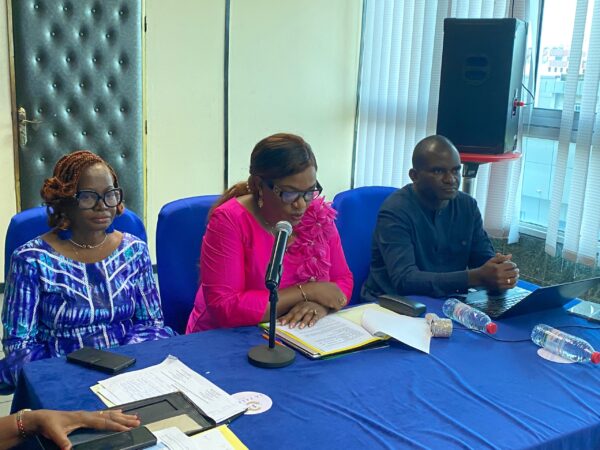
Cameroon has taken a decisive step toward eliminating violence in its educational institutions as key stakeholders gather in Douala from October 19 to 23, 2026, to finalize a landmark national proposal.
Spearheaded by the Ministry of Basic Education – MINEDUB in partnership with UNICEF and the Global Partnership for Education – GPE, the technical workshop aims to deliver a fully validated strategy by December 31, 2026.
The initiative addresses the full spectrum of violence in learning environments—ranging from corporal punishment and physical assault to sexual harassment and modern digital abuse—involving students, teachers, and administrative personnel alike.
Historically, responses to school-based violence across the country have been ad hoc and fragmented. To address this systemic gap, the proposed framework institutionalizes an integrated response structured around five essential pillars: fostering a human rights-centered institutional culture, establishing safe and confidential reporting channels, linking schools to social and legal protection services, offering psychological and medical support to victims, and implementing a transparent case-tracking system.
Crucially, the strategy bridges administrative silos to safeguard learners across the entire continuum, from early childhood and primary education through secondary, technical, and higher education.
A major priority within the strategy is protecting female learners and educators from systemic barriers. Supported by the Project to Support the Professionalization of the Teaching Profession in Cameroon – PAPMEC, the framework targets gender-based violence, forced marriages, early pregnancies, and discriminatory practices that interrupt girls’ education.
Alongside victim protection, the proposal outlines a strict Code of Conduct for teachers and administrative staff, clearly defining the line between legitimate discipline and punishable offenses to ensure criminal misconduct is handled by the judicial system rather than resolved informally.
The ongoing workshop relies on empirical diagnostic assessments, real-world case studies, and collaborative working groups to build a realistic framework anchored in Law No. 98/004 of April 4, 1998, and the Prime Minister’s 2020 Directives on school security.
During the proceedings, Evelyne Ayukegba, Director of Sports, School Health, and Extracurricular Activities at MINEDUB, emphasized that protecting children requires clear rules, exemplary conduct, and actionable reporting mechanisms free from fear of retaliation. Ministry leadership called on municipal councils, local communities, civil society, and international partners to unite behind the vision.
As the December 31 deadline approaches, the success of this initiative will depend on translating formal policy into concrete protection inside the classroom.
By uniting technical expertise, legal mandates, and community engagement, Cameroon aims to transform its schools into safe, supportive spaces where every child can learn and thrive without fear of abuse or discrimination.