Land planning in Cameroon is evolving beyond the simple partitioning of plots into a central pillar of local economic sovereignty.
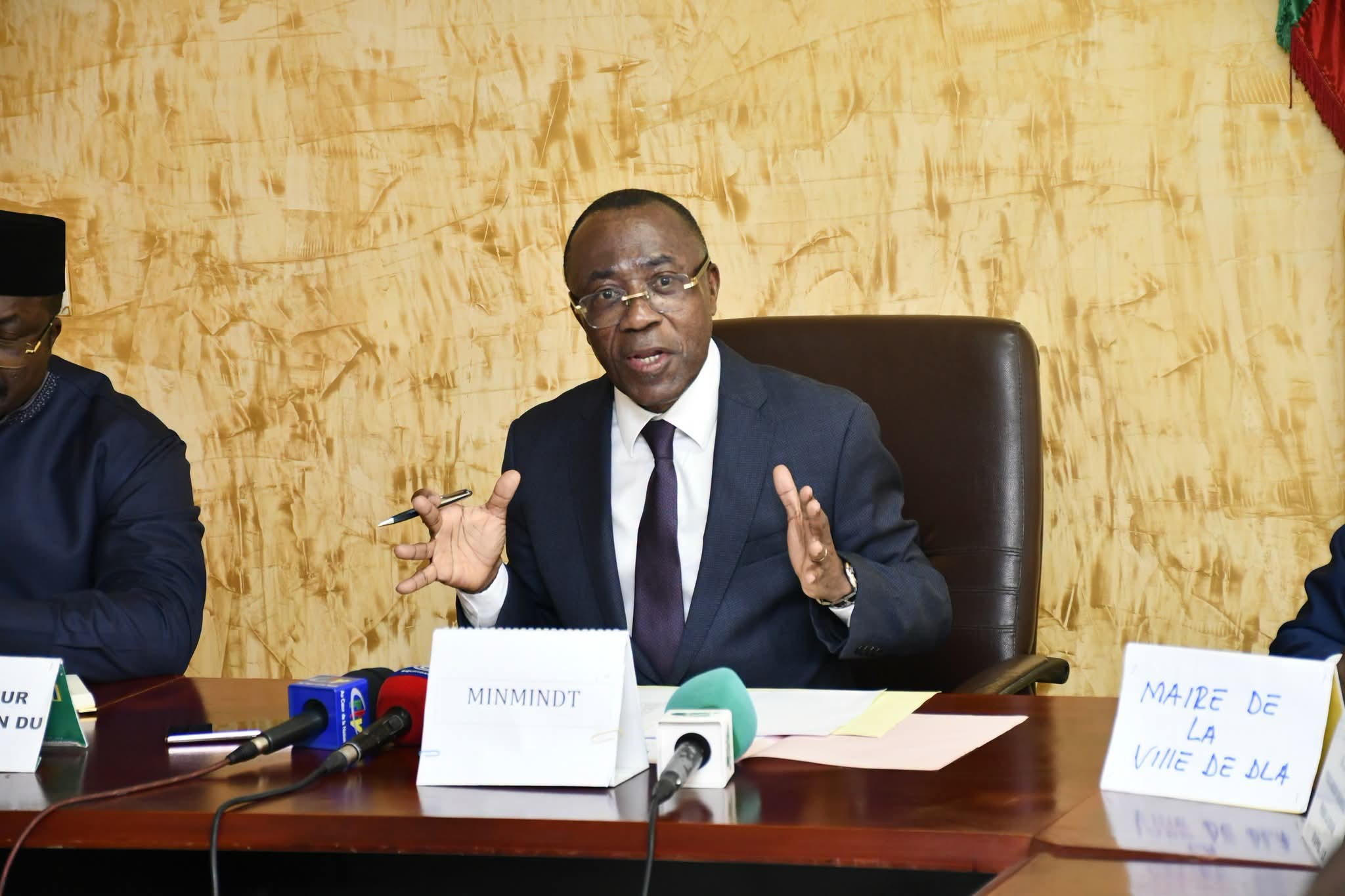
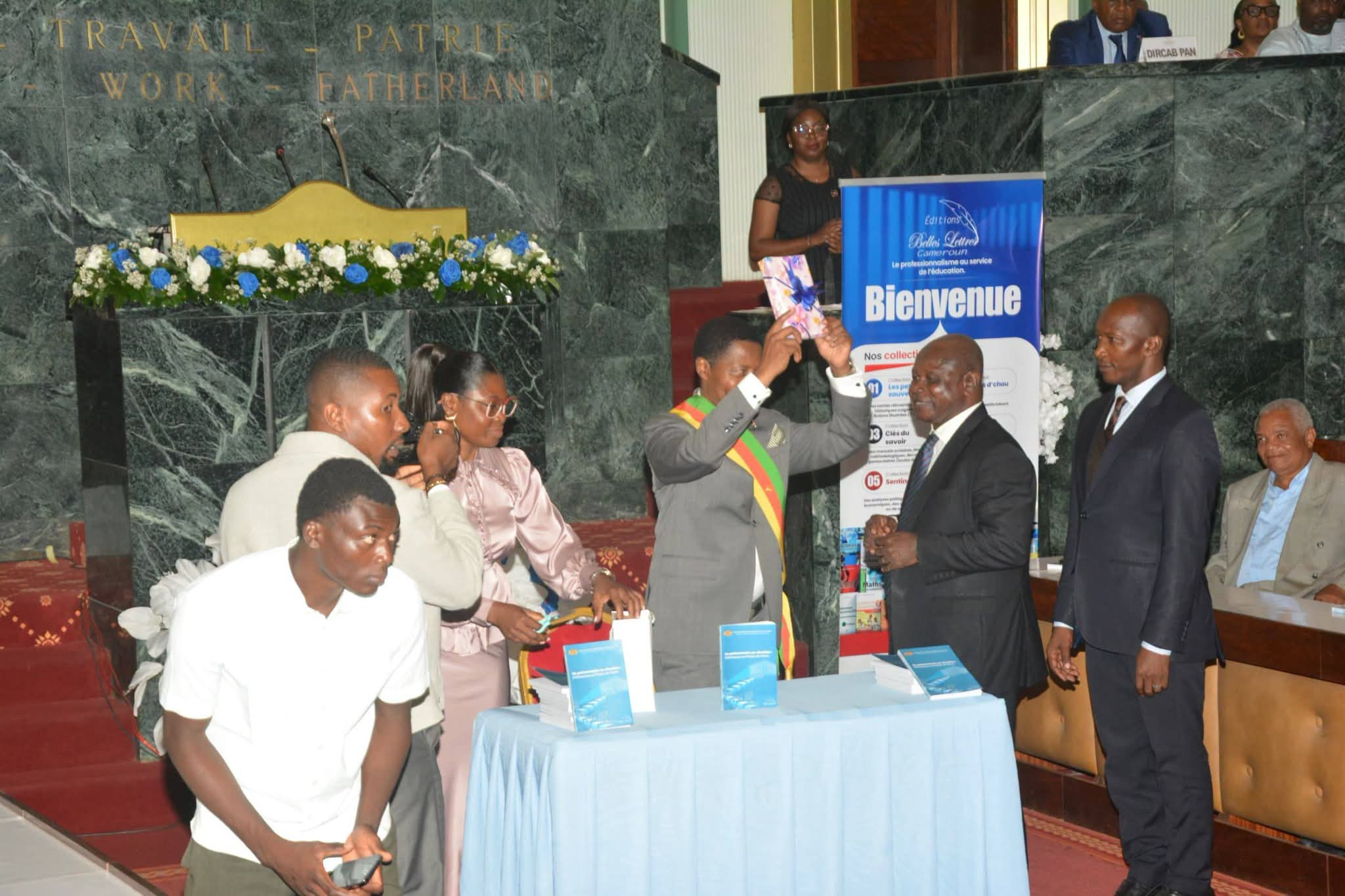
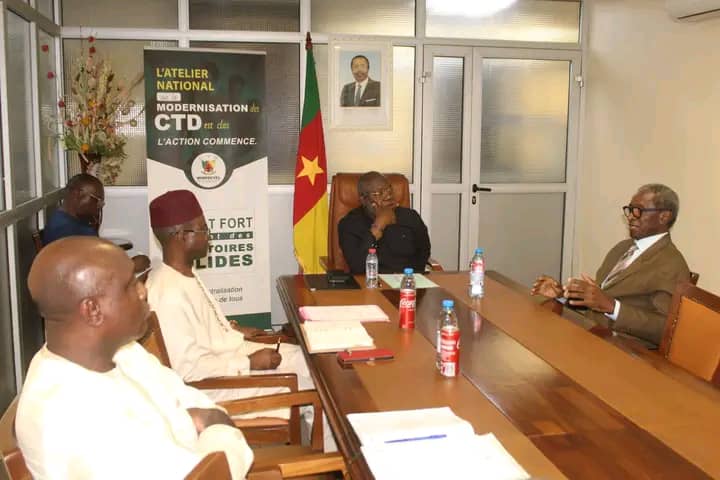
This strategic transition was the core message delivered on Wednesday, November 4, 2026, during an audience granted by the Minister of Decentralization and Local Development – MINDDEVEL, Georges Elanga Obam, to the Director General of the Urban and Rural Land Development and Equipment Authority – MAETUR, Louis Roger Manga.
Held at the ministry’s headquarters in Yaounde, the meeting served as a platform for MAETUR to outline its action plan aimed at supporting Decentralized Territorial Collectivities – CTDs in structuring and securing their lands.
At the heart of the dialogue was the precise alignment of MAETUR’s operational roadmap with Cameroon’s National Development Strategy – SND30. To operationalize this vision, four key programs were submitted for ministerial review, integrating the imperatives of the Urban Modernization Program and the priorities of the Integrated Agropastoral and Fisheries Import-Substitution Plan – PIISAH.
The initiative aims to address land management issues fundamentally, establishing a structured framework for sustainable growth across the nation’s municipalities and regions.
The proposed strategy focuses first on mobilizing, acquiring state title, and securing extensive land reserves specifically allocated for local councils and regional authorities. This securing of land is treated as an indispensable prerequisite to shield urban and rural planning from the pressures of informal land speculation.
Additionally, the plan encompasses the development of modern urban spaces, the creation of new towns, and the simultaneous upgrading of informal settlements, alongside dedicated land development for rural agropastoral and fisheries activities.
On the ground, this strategic orientation is already being translated into concrete action. The Massoubou-Diwon pilot zone, located in the Littoral Region, serves as an active testing ground for this intervention model, demonstrating how specialized land engineering can directly bolster local production and economic infrastructure.
With MAETUR positioning itself as a primary technical partner for local councils and regional bodies, the ultimate objective remains the transformation of territories into attractive economic hubs.
By balancing wealth creation, social integration, and environmental preservation, the collaboration seeks to empower local authorities to turn regional land potential into sustainable development.