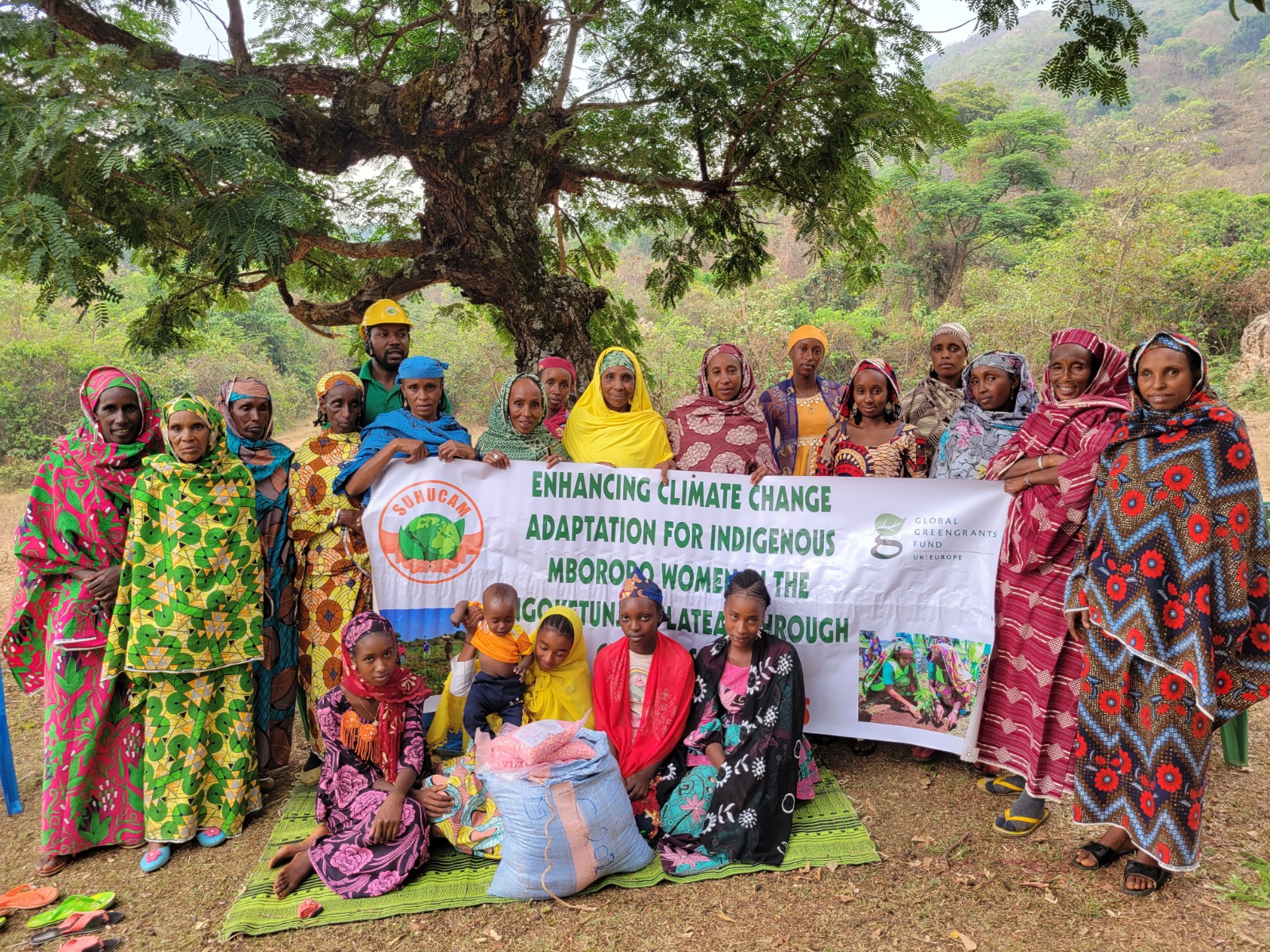
On the sweeping hills of Cameroon’s Ngoketunjia Plateau, a quiet agricultural transformation is taking root among the women of Awing, Balikumbat, and Bamunkumbit.
Spearheaded by Support Humanity Cameroon – SUHUCAM and funded by the Global Greengrants Fund, the initiative Enhancing Climate Change Adaptation for Indigenous and Rural Women in the Ngoketunjia Plateau through Climate-Smart Agroforestry Practices is reshaping local livelihoods.
Launched after assessments revealed that roughly 90 percent of women in these communities were excluded from active economic participation, the project targets 100 rural and indigenous women, equipping them with the tools and knowledge needed to thrive in a changing climate.
To turn the tide, SUHUCAM moved swiftly from planning to hands-on field action. Beneficiaries received essential farm inputs, including hoes alongside maize and Irish potato seeds, while establishing demonstration farms anchored in climate education.
Embracing ecological resilience, the organization distributed 1,000 agroforestry tree seedlings featuring Prunus africana, guava, avocado, and African black butter pear locally known as plum to restore soil health and diversify harvests. Training sessions further introduced practical compost production and promoted the night paddock manuring system, a sustainable, culturally resonant soil-enrichment method embraced within the indigenous Mbororo community.
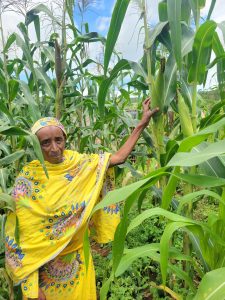
Beyond the soil, the initiative tackled deep-seated social barriers through structured community dialogues. Bringing together rural farmers, women, and traditional and local authorities, these forums confronted critical issues surrounding women’s land access, land rights, and inclusion in environmental decision-making. By fostering open conversations about how climate shifts threaten household survival, the dialogues created vital local momentum to elevate women’s voices in shaping community resilience strategies.
For participants on the ground, the project has already sparked renewed optimism and practical self-reliance. Beneficiary Ibrahim Amadu praised the program for opening the community to wider opportunities, noting that it broadened residents’ understanding, especially among women, of how to maximize scarce resources to meet basic household financial needs. Fellow participant Ahidjo echoed this enthusiasm, highlighting the tangible value of the agricultural skills and support brought directly to their doorsteps.
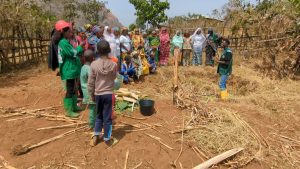
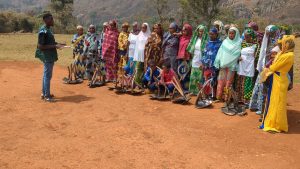
Yet, the path toward climate resilience has not been without hurdles. During the planting and harvesting cycles, erratic weather struck hard when rains abruptly ceased shortly after sowing, returning only weeks later and severely stunting germination and yields. Compounding the climate stress, roaming antelopes and monkeys raided farms in Awing and Balikumbat, devastating significant portions of the maize crop, while poor rural transport networks left farmers struggling to move harvested produce to buyers.
Determined not to let these setbacks stall their progress, community members and beneficiaries put forward clear, practical solutions to safeguard future harvests. They urged the installation of reliable irrigation systems, the distribution of watering cans and basic farm tools, and targeted improvements to market access and rural transportation so hard-earned crops no longer go to waste.
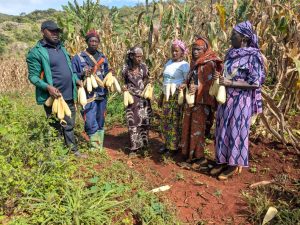
Building directly on these lessons, Project Coordinator Mr. Sunday Geofrey has unveiled ambitious plans for a second phase designed to transition beneficiaries from subsistence farming to profitable agribusiness. Upcoming interventions will introduce value-addition training covering crop processing, packaging, and branding alongside upgraded farm gear such as sprayers and rain boots. SUHUCAM also plans to organize the women into Common Initiative Groups – CIGs to strengthen collective bargaining and peer learning, while intensifying advocacy with regional and national stakeholders to secure women’s land rights, particularly for Mbororo women.
As 1,000 newly planted fruit and medicinal trees sink their roots into the plateau, the Ngoketunjia initiative stands as a compelling blueprint for grassroots climate action. By pairing indigenous wisdom and agroforestry with targeted advocacy and market-driven skills, SUHUCAM and the Global Greengrants Fund are proving that when rural women are given land, tools, and a seat at the table, entire communities grow stronger against a warming world.