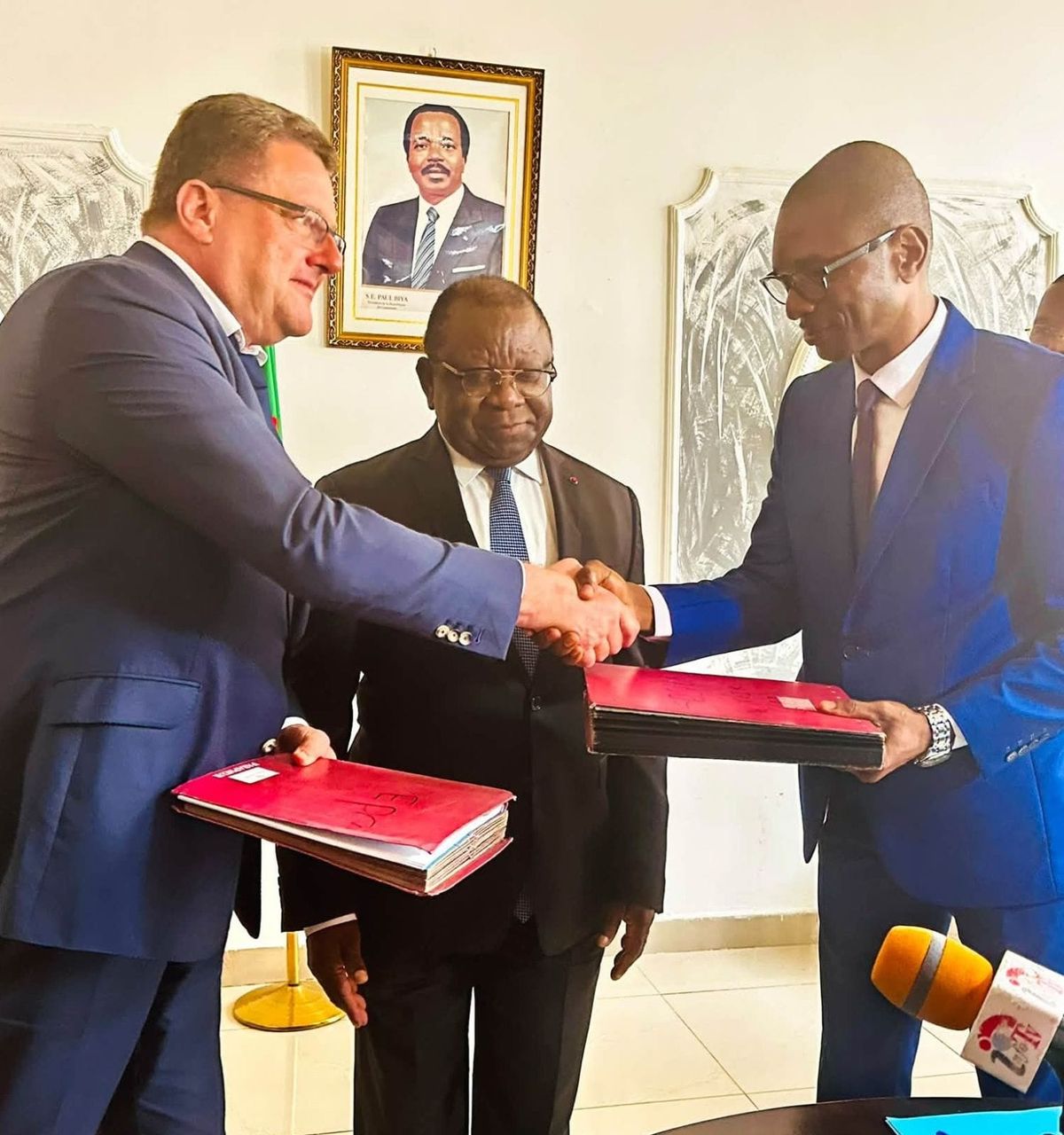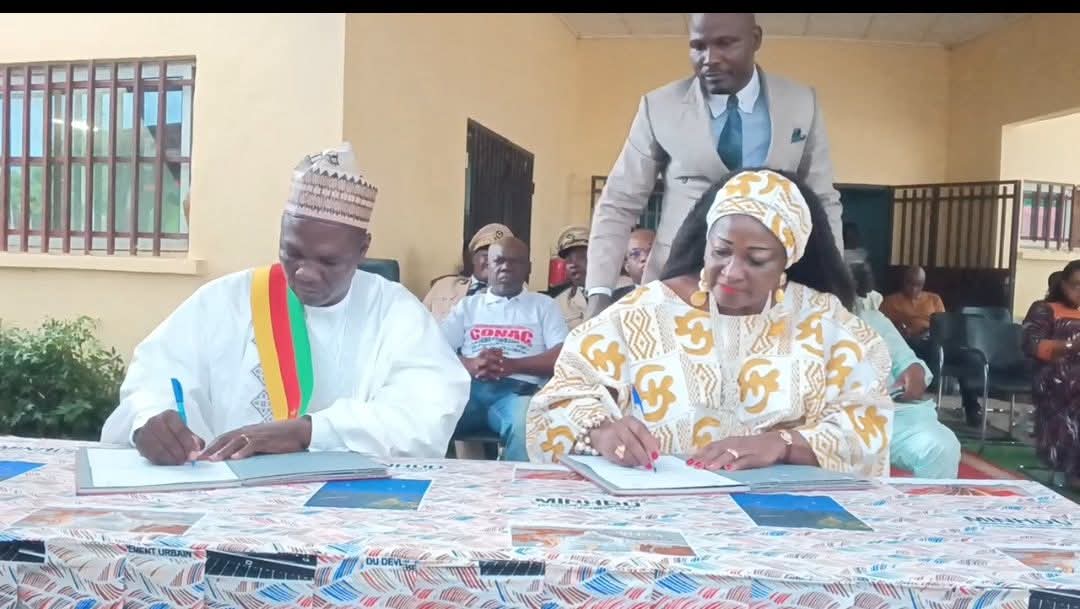
In Maroua, the fight against urban unsanitariness has reached a significant new milestone. On the sidelines of National Habitat Week, Célestine Ketcha Courtès, the Minister of Housing and Urban Development, handed over a mechanical street sweeper to the City Council.
This equipment aims to enhance the maintenance of key thoroughfares recently upgraded under the Regional Capitals C2D Urban Programme, improve the surroundings of markets and public spaces, and strengthen local waste management capabilities.
The handover took place before administrative, municipal, and traditional authorities, serving as concrete support for local councils facing mounting environmental and sanitary pressures driven by rapid urban growth.
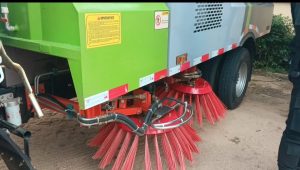
Minister Célestine Ketcha Courtès emphasized that the fast expansion of Cameroonian cities requires robust collection and maintenance capacities, particularly in light of insufficient waste collection rates across major urban centers. In Maroua, this new machinery will intensify sweeping operations along main roads, market perimeters, and public areas, complementing existing pre-collection and waste removal systems.
Beyond the delivery of physical equipment, the Minister reaffirmed the strategic direction established during the National Forum on Urban Waste Resource Management held in Yaoundé on May 6–7, 2025: transforming waste from a nuisance into a valuable resource.
Co-organized by the Ministry of Housing and Urban Development and the Ministry of Decentralization and Local Development, the forum laid the groundwork for applying a circular economy model to household and similar waste. Under this approach, waste will be progressively directed toward recovery channels, including compost production, recyclable material recovery, and eventual energy conversion.
The donation of the mechanical sweeper forms part of the practical rollout of the roadmap defined during the forum, which outlines immediate, short-term, and medium-term action plans to structure waste management nationwide.
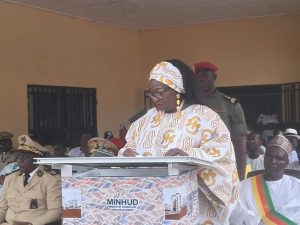
Key priority areas include reorganizing pre-collection services, boosting collection rates across municipalities, strengthening local governance and operator contracting, establishing transfer and processing infrastructure tailored to circular economy principles, and securing dedicated funding through special accounts and donor partnerships.
For the Maroua City Council, executing this roadmap requires integrating the new mechanical sweeper into a broader operational framework. This entails scheduling sweeping routes, coordinating closely with pre-collection services, identifying consolidation sites, and eventually participating in localized waste recovery supply chains.
Ultimately, the goal is to convert this equipment allocation and strategic roadmap into tangible improvements for local residents: cleanly swept streets, cleared illegal dumpsites, well-maintained public spaces, and increasingly sorted and repurposed waste.
The success of the national initiative, “For Clean and Prosperous Cities Powered by Their Waste Resources,” will depend on delivering these visible results on the ground in Maroua and beyond.