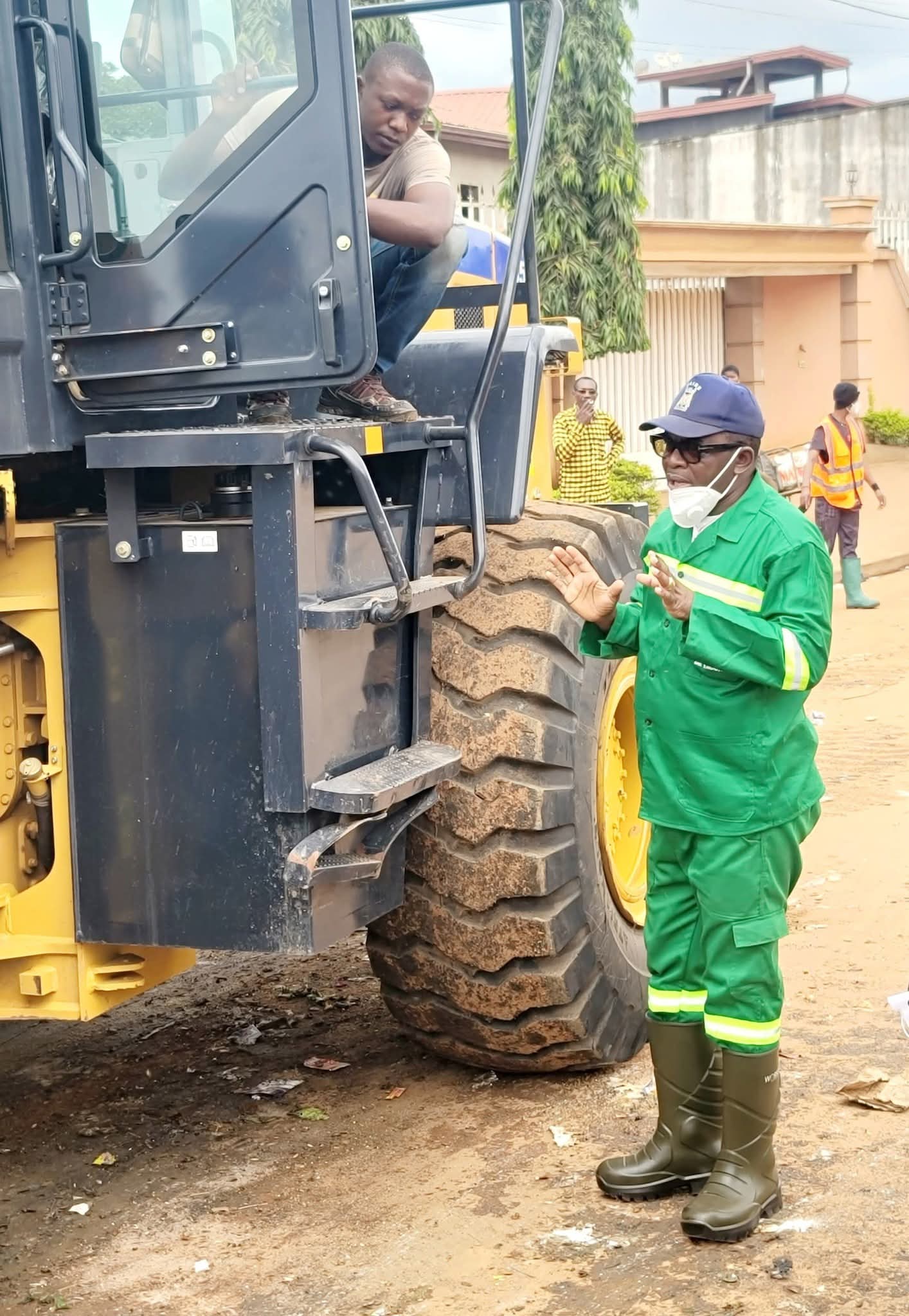
Facing the recurring buildup of household waste along the main road leading to the International War College, the Mayor of Yaounde VI, Jacques Yoki Onana, deployed heavy machinery on Tuesday, August 18, 2026, to eradicate an illegal dump site.
Supported by youth volunteers and local pre-collection actors, the municipality mobilized mechanical shovels and earthmoving equipment to clear the decaying waste. The site had become a major source of pollution and health risks for residents and commuters using the vital thoroughfare.
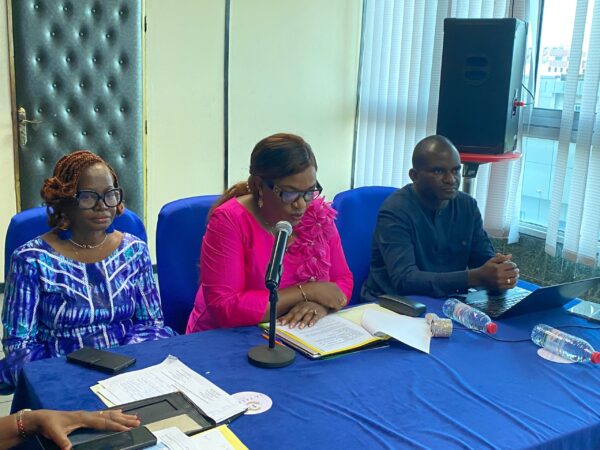
The special operation went beyond simple trash removal, focusing on site restoration and long-term security to prevent waste from re-accumulating. To foster civic responsibility, the municipal council collaborated with community associations and partner organizations. Mayor Onana also convened a meeting with local pre-collection operators to discuss field challenges and improve coordination, emphasizing that maintaining clean neighborhoods requires a shared commitment across the entire waste management chain.
The persistent crisis in Simbock highlights systemic bottlenecks within Cameroon’s decentralized waste management framework. Under current regulations, the collection, transportation, and treatment of household waste fall under the direct jurisdiction and substantial budget of the City Council.
Consequently, direct interventions by local sub-divisional councils like Yaoundé VI serve as emergency responses to urgent public health concerns, while underscoring the operational limits imposed on local authorities.
Through this initiative, Mayor Onana advocates for a deeper structural reform to grant local councils greater autonomy and resources in managing public sanitation. Current arrangements leave sub-divisional municipalities directly accountable to aggrieved citizens yet stripped of the necessary financial and logistical instruments to maintain cleanliness independently. The Simbock cleanup highlights the urgent need to realign municipal responsibilities with actual field capacity.
Ultimately, the battle against illegal dump sites in Yaounde VI extends beyond immediate environmental hygiene to touch on broader governance issues. By addressing the root causes of urban waste proliferation, the municipal executive seeks to safeguard public health while fueling the national debate on decentralization. The victory in Simbock demonstrates how local leadership can deliver tangible relief to residents while pressing for long-term institutional reform.