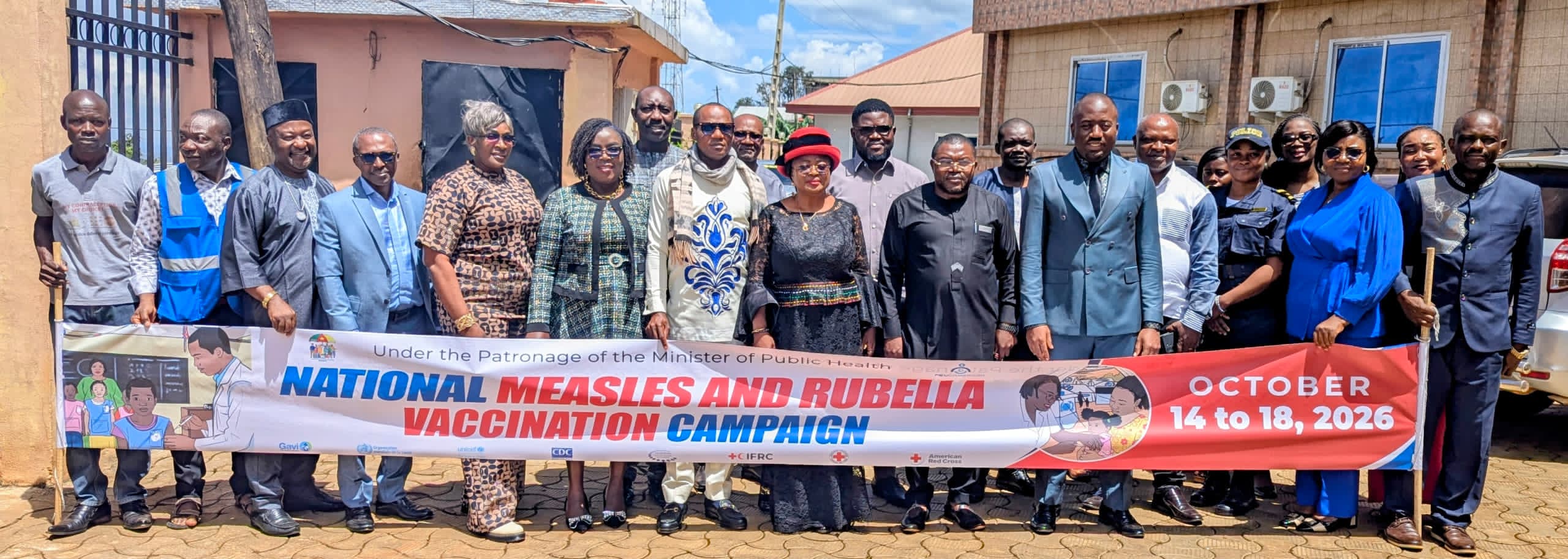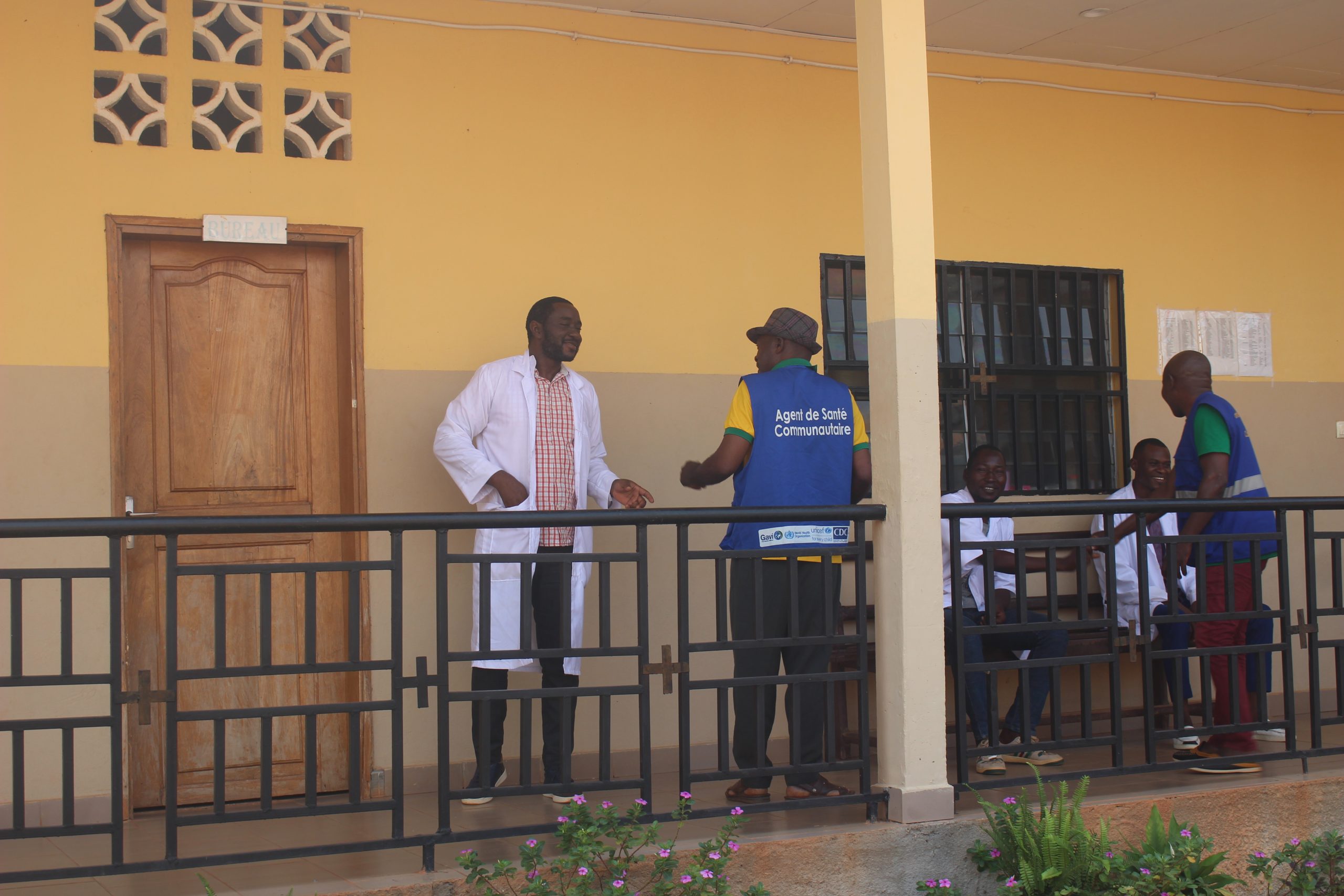
The advent of a population being reluctant to gain access to adequate health services is a call for concern and a serious hindrance to the growth of the health sector in the East region. Plan International Cameroon in partnership with the World Bank has for the past years, through its numerous interventions in the area, instituted the presence of facilitators under the umbrella of Community Health Workers – CHW in the various health facilities. These individuals serve as a bridge between the community and their various health facilities.
In the Upper-Nyong division,in the East Region, especially in the Dimako district, there are a good number of these agents working day and night to ensure their peers have access to adequate medical care. Georges Selembo is one of these CHW that serve at the Catholic Health Center – Dimako. For over 10 years, he has been walking the villages of the Dimako health area with the high hopes that the population will one day finally embrace public health programs.
Being a multipurpose community health worker, he is dedicated to providing the population with valuable information such as free vaccination campaigns, organization of workshops and encouraging pregnant women to attend prenatal consultations, do the necessary tests and vaccines. He equally strives towards the demystification of the use of certain medical equipment. “I cover three villages—specifically Tchandja, Toungrélo, and Kwèn—with a total of 1,026 households to monitor,” he says, proud of his reach. The workload requires strict organization, thus the establishment of a vaccination calendar. “I plan my visits on a one-month calendar per village because it is difficult to make the rounds and ensure proper follow-up for everyone during the same period,” he explains. During these rounds he conducts preliminary checks with the collection of vital signs done.
He is currently preparing families for vaccination campaigns targeting mostly children aged zero to five, while ensuring that the elderly and pregnant women equally take part in these campaigns.
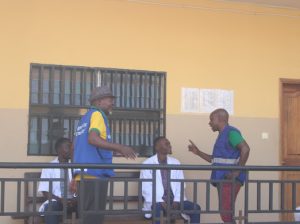
These health workers are deployed to various communities following a specific framework. Generally, they are individuals chosen by the community based on their commitment and ability to mobilize their peers. “We organize things so that communities can take charge of their health as effectively.
In the East Region, we cover nine out of 15 health districts, with 386 health workers deployed. They are usually selected by the head of the health area and then receive training on various modules,” explains Christian Bativou Nguena Lobe, a community health expert and regional field supervisor for the Scaling Up Malaria Intervention project for Plan International in Bertoua.
While Plan International’s intervention primarily targets civil society organizations, the objective remains the same: equipping community health workers with knowledge of Cameroon’s community health programs and providing them with essential medicines to manage simple forms of illness.
Operating on the front lines, these community health “soldiers” frequently encounter resistance, proving that living in the area and speaking the local language aren’t always enough to guarantee acceptance. Emile Ebongue Mobe, a health worker in Doumé, highlights that public skepticism often stalls vital health messaging, a challenge compounded by chronic shortages of first-aid supplies. In addition to logistical hurdles, agents must navigate deep-seated cultural conservatism and a strong preference for ancestral practices over modern medicine.
To overcome these barriers, veteran workers like Georges Selembo leverage local power structures by collaborating with traditional leaders at the chieftaincy to find culturally sensitive solutions. Despite a decade of effort, significant gaps remain in public trust and coverage, leaving current agents stretched thin. Faced with the daunting task of convincing the entire populations to embrace public health programs, these dedicated workers are calling for urgent reinforcements to bolster their ranks and expand their reach.
About the Dimako District Hospital
Created in the Year 2005, it was only in 2007 that the district hospital got its accreditation. It organizes free monthly consultation for the population that suffers from a good number of pathologies with the most recurrent ones being Malaria, malnutrition and water born diseases. This as a means of encouraging the population to gain access to the right information and consequently, get the right treatment. The center is managed by Reverend Sister Marie Medine who works in close collaboration with the various Community Health Workers that know the locality perfectly.