The 2026 edition of the Executive and Strategic Leadership program has been officially set rolling. Organized by the Denis and Lenora Foretia Foundation in partnership with the Nkafu Policy Institute, the two-day event that began this September 8, 2026 has as aim equipping senior leaders and managers with the strategic, organizational and leadership skills needed to improve institutional effectiveness and impact.
The programme, taking place from September 8 to 9, 2026 at the Yaahot Hotel in Yaounde, brings together 20 executives from different institutions and sectors in Cameroon and beyond.
The programme seeks to provide a platform where leaders can openly examine the challenges confronting their organizations and learn practical approaches to addressing them.
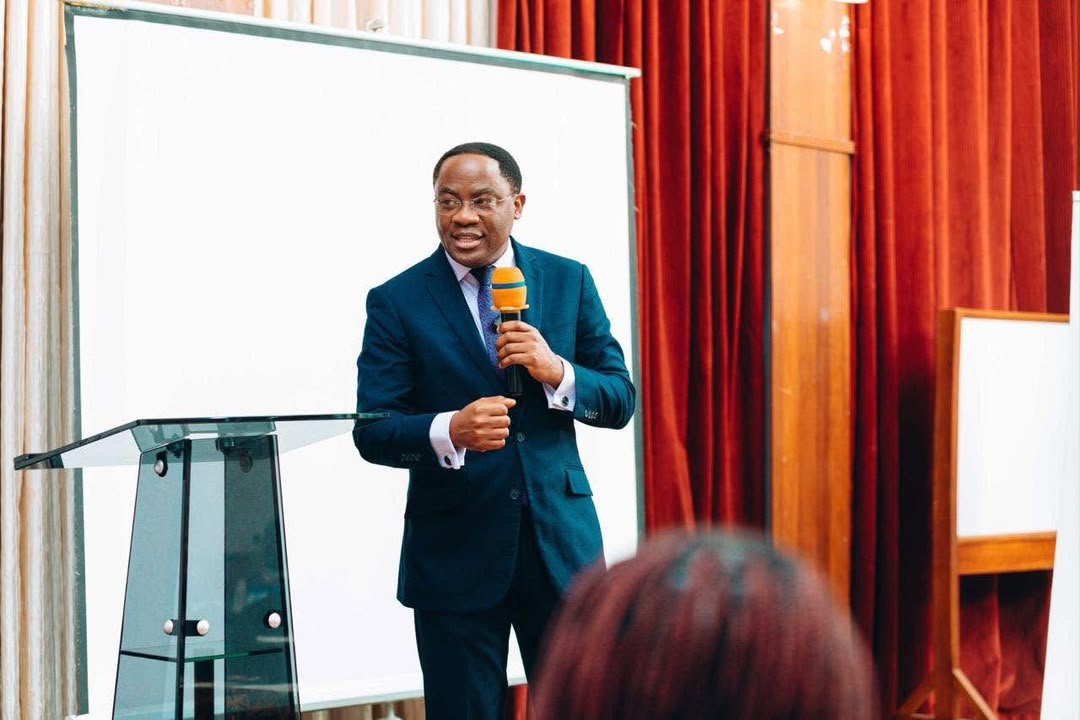
Speaking at the opening, Executive Chairman of the Denis and Lenora Foretia Foundation, Dr Denis A. Foretia, stressed the importance of creating an environment where leaders can exchange experiences, identify common challenges and collectively develop solutions. He noted that the programme is designed to encourage practical conversations rather than simply relying on lectures.
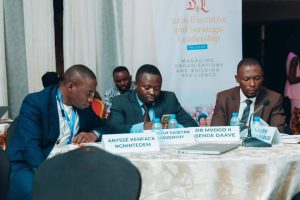
A major objective of the training is to strengthen leadership accountability and organizational culture. Using an experience from his medical practice, Dr Foretia illustrated how leadership behaviour can affect teamwork, communication and institutional performance. He emphasized that employees should feel sufficiently comfortable to speak up when they identify problems, stressing that effective leaders must be willing to receive feedback, address weaknesses and follow through on commitments.
The programme also seeks to help executives improve their capacity in strategic planning, governance, resource mobilization and financial sustainability. Participants are expected to examine how organizations can move from having good ideas and missions to developing practical strategies that deliver measurable results. Issues such as limited funding, staff retention, operational reserves and long-term institutional sustainability are being examined as critical components of effective leadership.
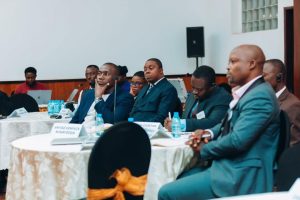
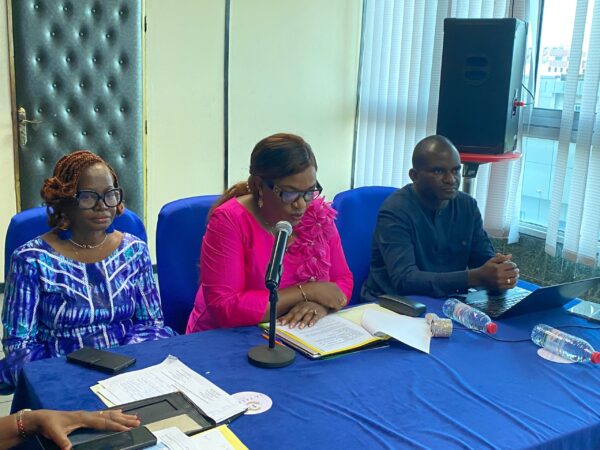
Dr Julienne Mesumbe, Deputy Director of the Nkafu Policy Institute at the Denis and Lenora Foretia Foundation, set the tone for the leadership exchanges with an opening plenary conversation titled “Honest Reckoning: What is holding our organizations back?” The session provided an open and candid cross-sector platform for participants to discuss leadership realities and organizational challenges that often remain unaddressed in formal settings.
Conducted without presentation slides, the conversation encouraged participants to engage freely, share experiences and reflect critically on the factors affecting their institutions. The discussions were held under Chatham House rules, allowing participants to speak openly and constructively while maintaining confidentiality.
For NGEGA Vanessa Achu, Project Manager at NEWSETA, strong leadership is essential for civil society organizations to sustain their impact beyond the individuals who establish or manage them. She expects the programme to provide strategies for building institutions that can survive leadership transitions and continue serving communities over the long term. Her expectation reflects a broader concern among African organizations about creating institutions capable of lasting for generations.
The programme further places emphasis on humility, inclusion, collaboration and ethical leadership. Business and corporate attorney Sir Dr Barrister Nico Halle argued that successful leaders must be humble, transparent and accountable, while ensuring that every member of an organization is valued. Participants are also being encouraged to embrace collaboration as a strategic tool, with the understanding that organizations can achieve greater impact when leaders build partnerships rather than operate in isolation.
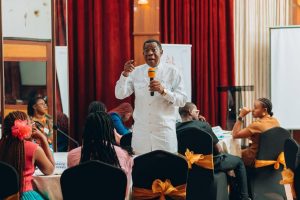
For participants such as Berinyuy Cajetan Tardzenyuy, President of Ethical and Sustainable Future for All, resource mobilization remains a major expectation from the training. He hopes to acquire practical knowledge on how to mobilize and manage resources to advance his organization’s vision and mission.
Overall, organizers expect participants to leave the two-day programme with new knowledge, practical leadership tools, stronger networks and concrete commitments that can help them transform their organizations from merely functional institutions into sustainable, effective and high-impact organizations.