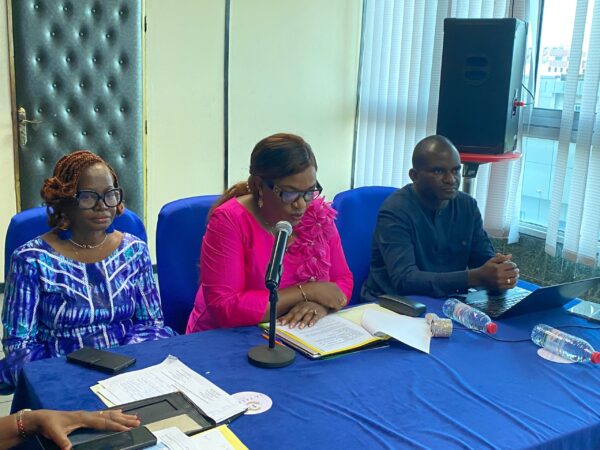
The Cameroonian Government, in partnership with UN-Habitat, officially unveiled the National Action Plan for the development of smart cities in Cameroon on September 8, 2026.
Co-chaired by the Minister of Housing and Urban Development – MINHDU, the Minister of Posts and Telecommunications – MINPOSTEL, the Executive Director of UN-Habitat, and the Minister of Small and Medium-Sized Enterprises, Social Economy, and Handicrafts, the launch gathered nearly 100 key stakeholders. The initiative aims to address rapid urban growth by leveraging digital technology, innovation, and modernized governance to build more resilient and accessible cities across the nation.
The primary objective of the ceremony was to formalize the plan, outline the national vision for digital urban transformation, and mobilize both local authorities and international partners for its operational phase. Organizers presented strategic axes and priority projects designed to help decentralized local authorities – CTD adopt smart urban management tools. To ensure rapid execution, officials released an immediate roadmap for priority actions following the event, laying the groundwork for improved public services and infrastructure that directly benefit urban populations.
Central to this initiative is a multi-stakeholder partnership model designed to foster cross-sector collaboration. Developed by MINHDU with technical expertise from UN-Habitat, the plan engages key government ministries (including MINEPAT, MINFI, MINEPDED, and MINRESI), public institutions like FEICOM and ANTIC, local authorities such as the Centre Regional Council and the City of Yaounde, and academic institutions like the University of Yaounde I. Major international development partners, including the World Bank, the African Development Bank, the European Union, and the UNDP, are actively supporting the framework alongside local and international private sector entities.
Telecommunications operators and tech enterprises are positioned at the core of this transformation, with major companies such as Orange, MTN, and CAMTEL leading the deployment of digital infrastructure and connected services.
By building robust digital networks, the government intends to enhance urban mobility, streamline administrative governance, optimize public utility management, and drive economic growth within local communities. This technological backbone is expected to bridge the gap between municipal services and city residents, encouraging greater digital inclusion nationwide.
Marking a decisive turning point in national urban policy, the launch aligns with President Paul Biya’s vision for climate-resilient, economically vibrant, and technologically advanced cities. Over the coming weeks, the government and its partners will define the initial pilot projects, establish funding mechanisms, and detail project timelines. Through these concerted efforts, Cameroon aims to translate strategic planning into tangible improvements, ultimately raising the standard of living for urban residents across the country.