Yaounde is staging a major comeback against an enemy that has long plagued its urban landscape: illegal dumping and chronic unsanitary conditions.
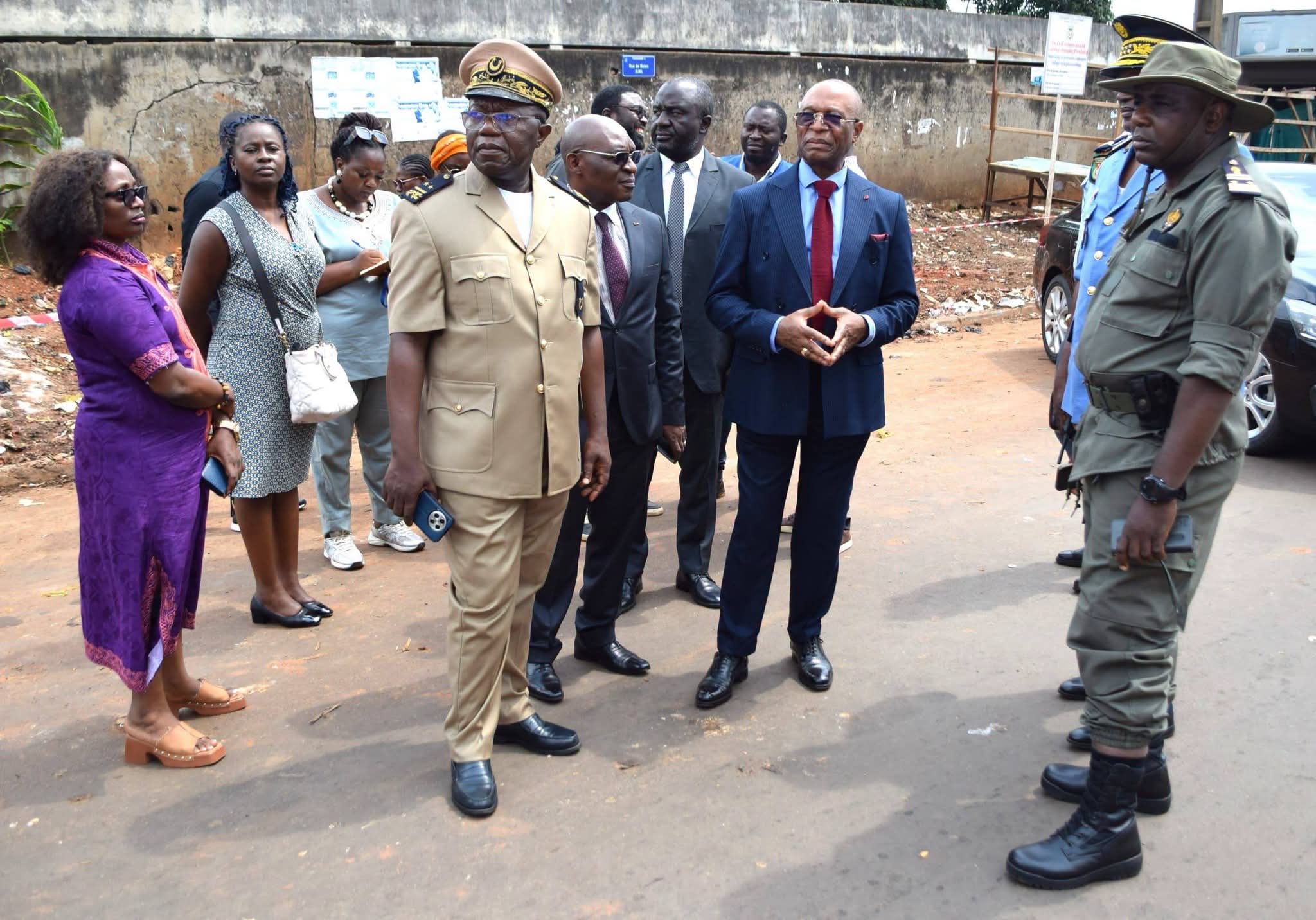
Across various districts, the central government and local authorities have moved from passive policy-making to active field enforcement. High-ranking administrative leaders are now directly inspecting cleanup sites, sending a clear message that urban sanitation is no longer a secondary concern, but a top civic priority.
The strategy relies heavily on targeted interventions at historical “black spots” locations where illegal dumping had previously spun out of control. Key areas like Melen and the surroundings of the Etoug-Ebe Bilingual High School, which were once buried under mounds of refuse, are undergoing visible transformations. By clearing waste, erecting physical barricades, and establishing dedicated collection infrastructure, authorities are successfully dismantling illegal dump sites and restoring civic pride to affected neighborhoods.
However, clearing trash is only half the battle; preventing its return requires seamless coordination among service providers, municipal bodies, and local residents. In districts like Yaoundé 7, stakeholders have instituted structured daily routines, such as placing temporary high-capacity dumpsters that waste management companies like HYSACAM clear every evening. Moreover, local traders and community members are stepping up as self-appointed guardians of these newly cleaned spaces, ensuring that reclaimed sites remain spotless.
Infrastructure and logistical bottlenecks are also being systematically addressed to ensure waste collection trucks can operate without hindrance. In areas like Ekorezok, physical blockades that previously prevented heavy machinery from accessing critical transfer points have been removed, paving the way for expanded and modernized waste management facilities. These infrastructure upgrades are crucial for scaling up collection efforts and keeping pace with the rapid urban growth of the capital.
Ultimately, this ongoing cleanup initiative demonstrates that sustainable urban sanitation demands a combination of strict administrative oversight, reliable service delivery, and community engagement. By holding the line against urban filth and modernizing its waste collection networks, Yaoundé is laying the groundwork for a healthier, cleaner, and more resilient environment for all its inhabitants.