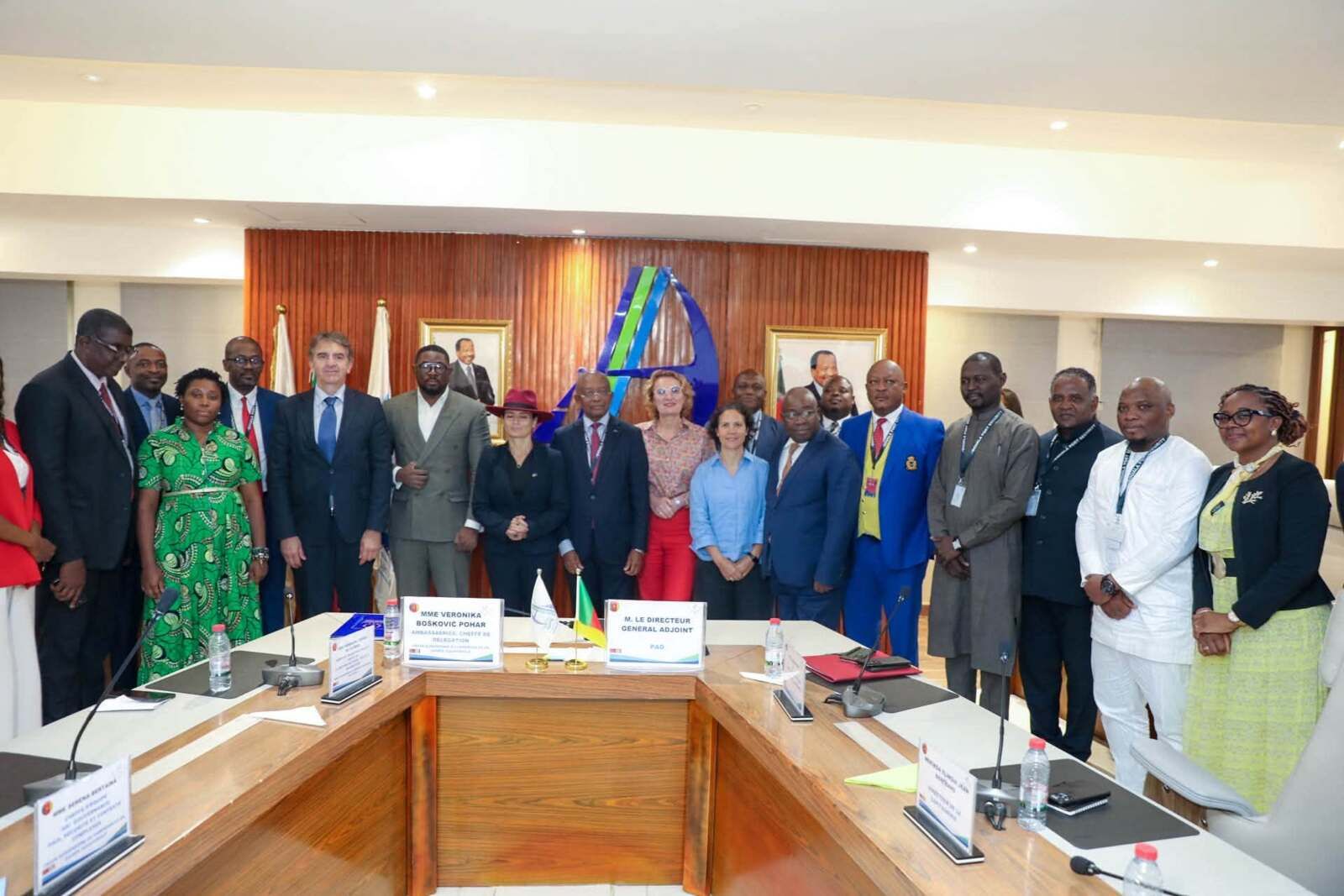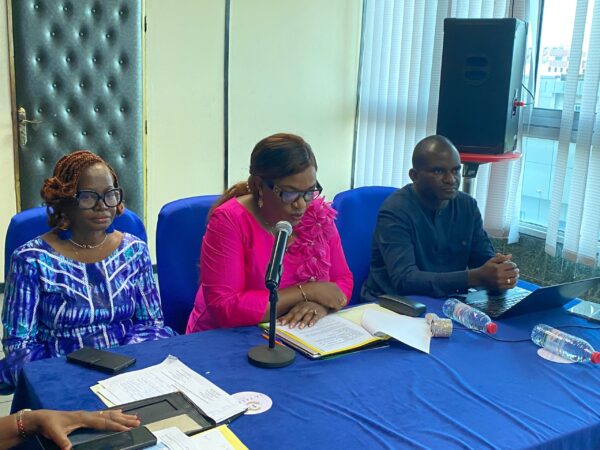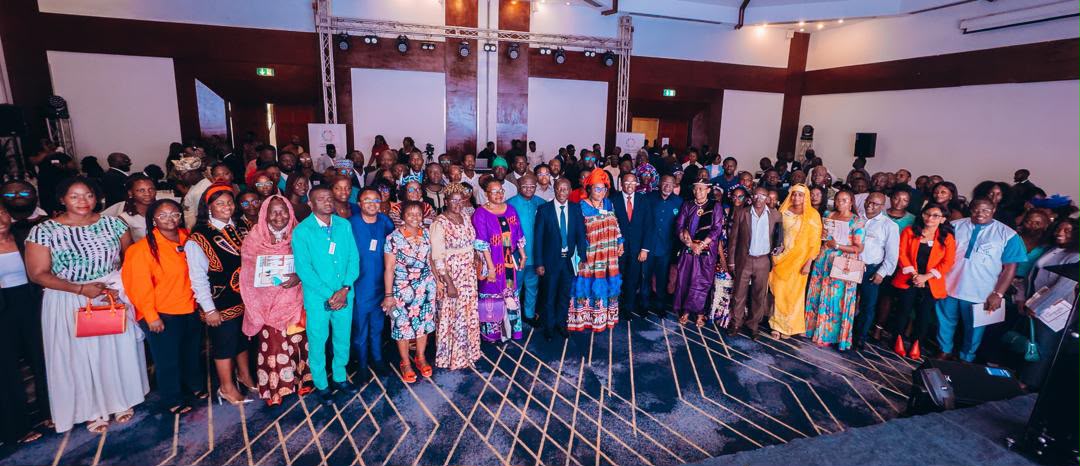
Central African policymakers, researchers, civil society leaders, and private-sector actors gathered in Yaounde for the opening of the 2026 Central Africa Think Tank Forum, with a strong call to transition from analyzing regional challenges to delivering actionable policy solutions.
Organized by the Nkafu Policy Institute, a think tank under the Denis and Lenora Foretia Foundation, the two-day event that commenced this September 10, 2026 takes place under the theme “From Evidence to Action: Strengthening Policy uptake in Central Africa.” The forum aims to dissect why rigorous research frequently fails to inform governance and to establish collaborative strategies for regional development.
While unveiling the event, Dr. Denis Foretia, Co-Chair of the Denis and Lenora Foretia Foundation and Executive Chairman of the Nkafu Policy Institute, emphasized that continuous problem diagnosis without execution is no longer viable. He highlighted job creation, regional integration, and economic prosperity as top priorities for the sub-region.

To illustrate the practical application of evidence-based policy, Dr. Foretia cited the potential establishment of a national public health institute in Cameroon to streamline disease surveillance, outbreak response, and institutional healthcare governance.
Representing the Minister of Small and Medium-sized Enterprises, Social Economy and Handicrafts, Inspector General Nathan Ntaten Wuli emphasized the pivotal role of local businesses in driving economic resilience. He noted that micro, small, and medium-sized enterprises – SMEs make up approximately 99 per cent of Cameroon’s business landscape, making them indispensable for wealth creation and employment generation. Wuli reaffirmed the government’s commitment to supporting enterprise growth in alignment with the goals of the National Development Strategy 2030 (SND30).
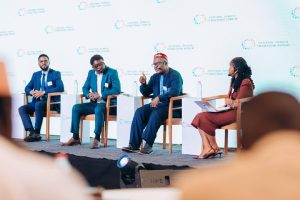
Addressing economic structural challenges, Dr. Esther Omam, Executive Director of Reach Out Cameroon, criticized the sub-region’s reliance on exporting raw materials while importing high-cost finished products. She argued that this persistent value-chain imbalance deprives local communities of economic opportunities and stifles industrialization. Dr. Omam called for urgent investments in domestic processing capabilities, infrastructure development, and digital technology, alongside better utilization of the region’s human capital.
Dr. Omam also addressed systemic barriers to development, including governance deficits, fragile institutions, security threats, and the systematic exclusion of women and youth from economic decision-making processes. She urged all development actors amongst which governments, civil society, think tanks, and international partners—to abandon mutual blame-shifting and clearly define their respective contributions toward sustainable regional progress.
The 2026 Central Africa Think Tank Forum will conclude with sessions focused on designing practical frameworks to enhance research uptake by governments across the sub-region. By fostering stronger institutional linkages between academic researchers and public officials, organizers aim to ensure that empirical evidence directly shapes more accountable, effective, and responsive public policies throughout Central Africa.