The Chadian Red Cross and the Cameroonian Red Cross have strengthened their cross-border humanitarian mechanism to address the shared environmental vulnerabilities of the Chari River basin.
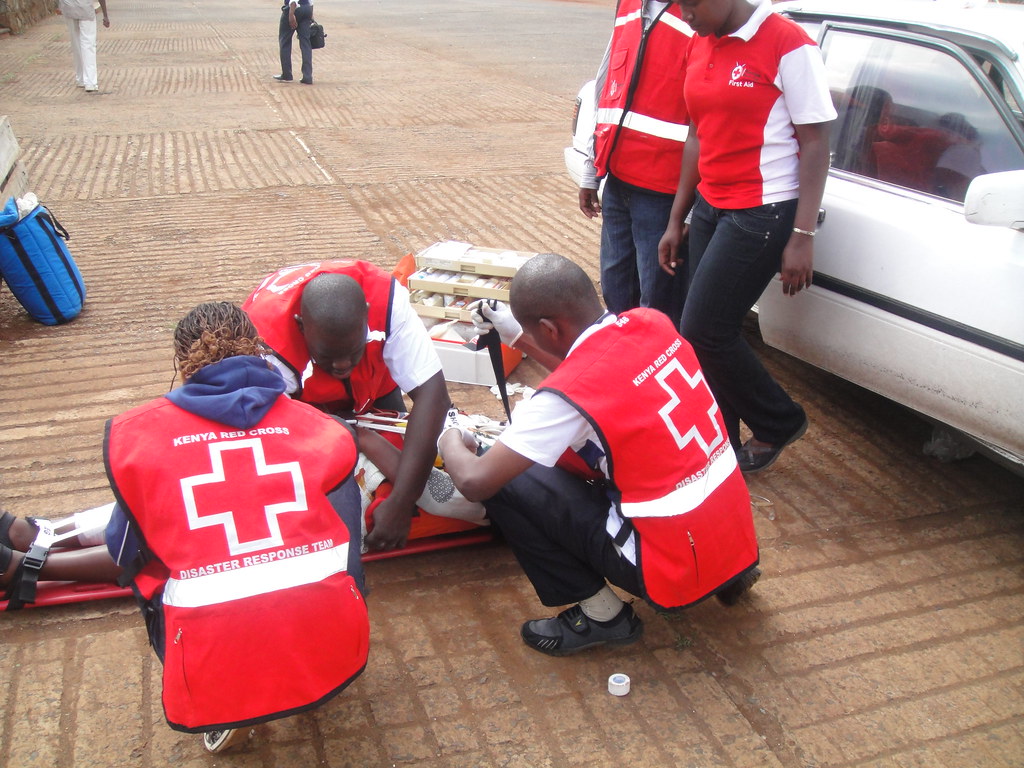
On September 28, 2026, the two national societies conducted a joint flood management simulation exercise in the Walia district, located in the 9th arrondissement of N’Djamena. The drill brought together rescue personnel from the urban committee of N’Djamena and the departmental committee of Kousseri from Cameroon’s Logone-et-Chari division to test operational readiness during peak rainy seasons.
Separated only by the Chari River, N’Djamena and Kousseri frequently face identical riverine and pluvial flood risks that jeopardize lives, infrastructure, and local livelihoods. By organizing this joint field exercise, the humanitarian teams sought to refine the interoperability of rescue units operating on both banks.
Establishing synchronized rescue protocols ensures that emergency interventions across the border are swift, coordinated, and capable of mitigating severe flood impacts on both sides of the river.
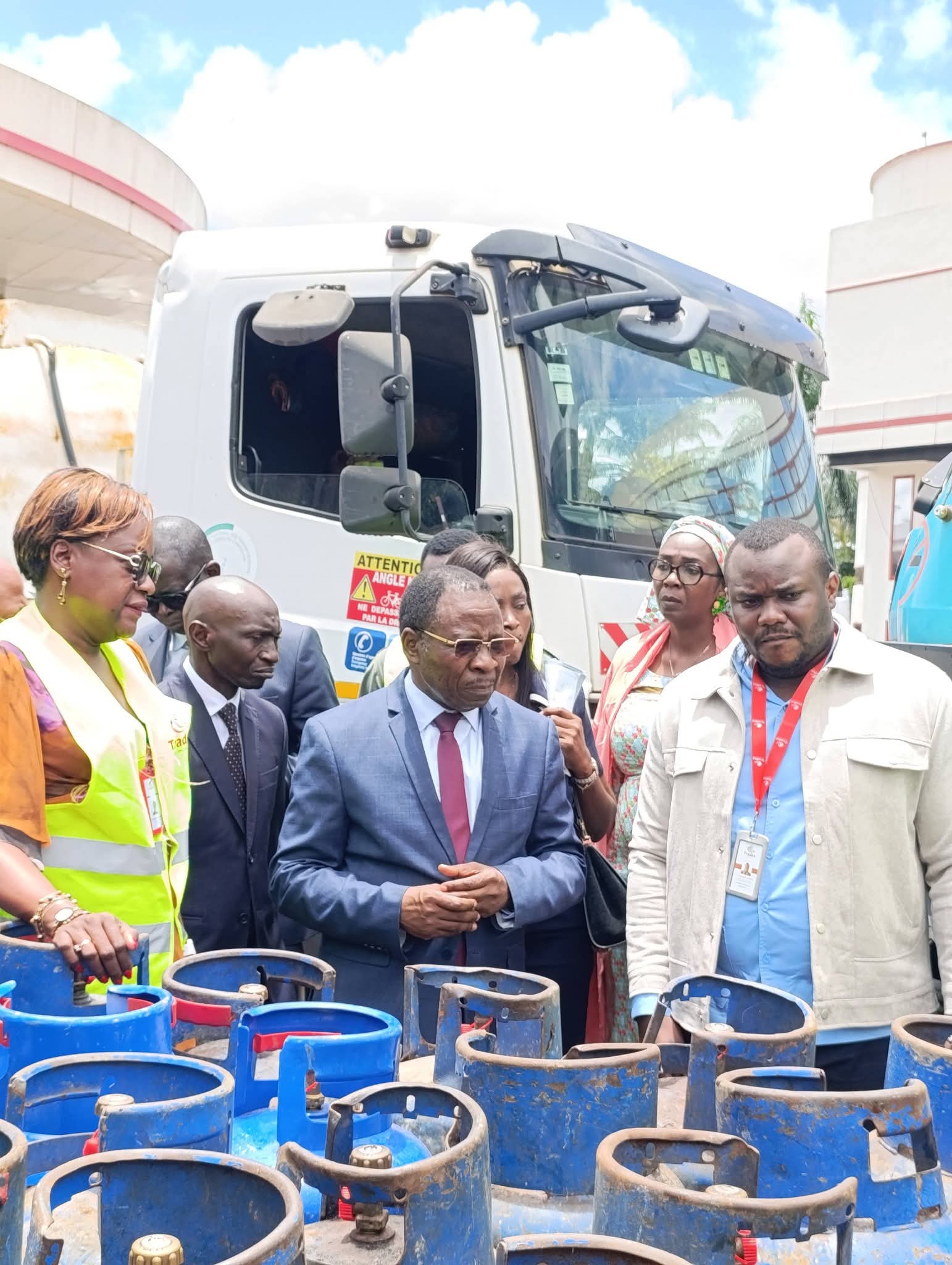
The official launch ceremony was presided over by Dr. Khalla Ahmat Senoussi, National President of the Red Cross of Chad, alongside key representatives from the International Committee of the Red Cross – ICRC and the International Federation of Red Cross and Red Crescent Societies – IFRC.
Highlighting the transboundary nature of climate hazards, humanitarian leaders emphasized that effective disaster response relies heavily on early warning systems, joint risk anticipation, and shared logistics to protect vulnerable riparian communities.
Community engagement formed a vital component of the simulation, with local residents of the Walia district actively participating alongside professional first responders. Engaging citizens directly in evacuation drills and emergency care scenarios helped foster a stronger culture of risk awareness at the neighborhood level, equipping residents with practical first-aid knowledge and clear response protocols needed during real-time flooding emergencies.
By transforming shared geographic vulnerability into an active humanitarian alliance, the collaborative initiative between Chad and Cameroon establishes a proactive model for regional climate adaptation.
Moving forward, the joint operations between N’Djamena and Kousseri will serve to streamline cross-border communication and early warning dissemination, ensuring that both nations are better prepared to minimize human and material losses during future severe weather events.