Over a intense forty-eight-hour period from October 21 to 22, 2026, the Douala Port Authority – PAD transformed into a high-stakes epicenter of international diplomacy.
High-level delegations representing the European Union, France, and the United States Senate descended in rapid succession upon the Wouri River headquarters to assess infrastructure, evaluate maritime security, and scout investment opportunities.
Led by Director General Cyrus Ngo’o and senior port executives, the meetings underscored the growing geopolitical weight of the Douala-Bonabéri port platform as the primary logistics gateway to the Central African Economic and Monetary Community – CEMAC sub-region.
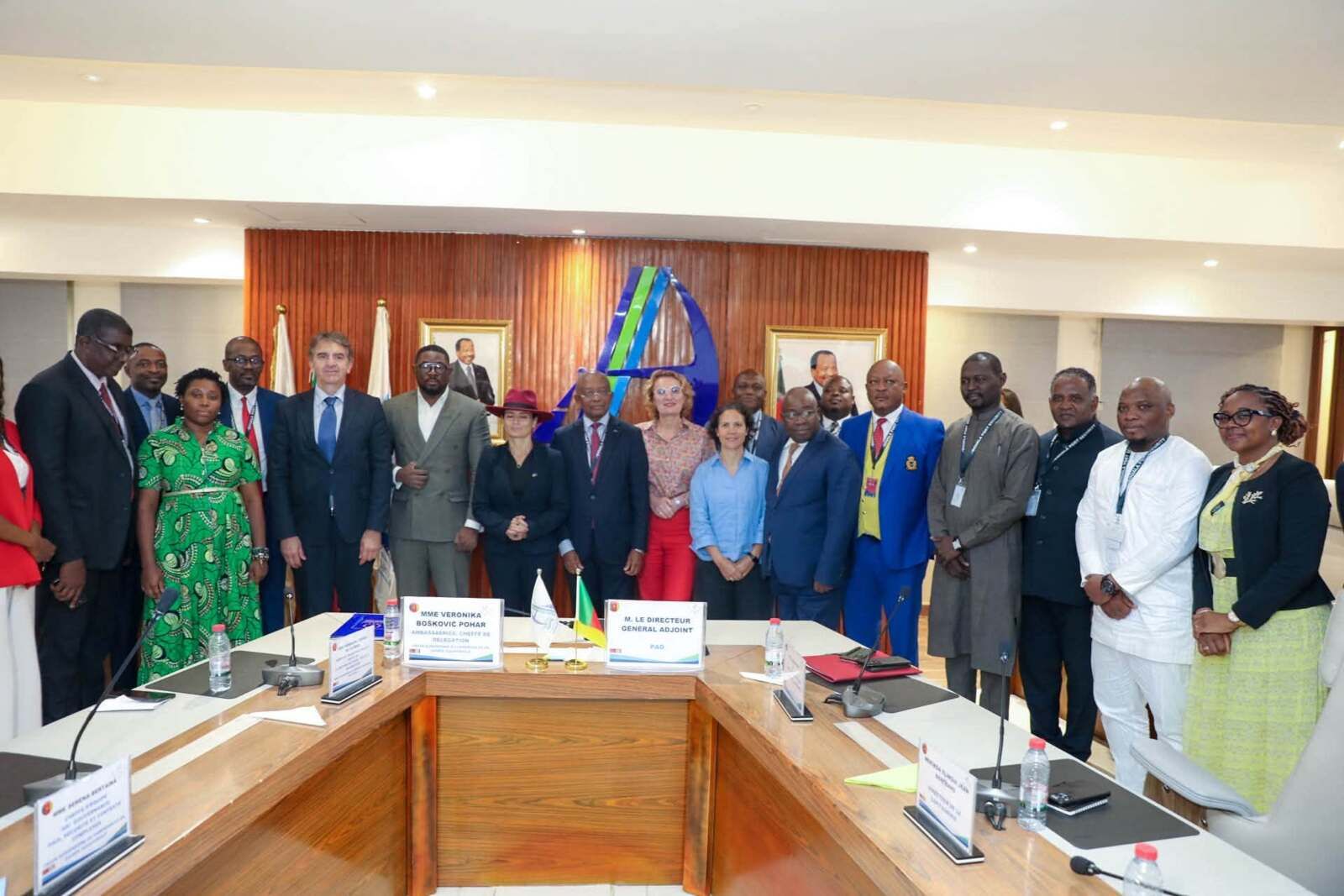
The diplomatic sequence opened on October 21 with an official visit by the European Union Delegation, led by Ambassador Véronika Boskovic Pohar, alongside French Ambassador Sylvain Riquier. The EU delegation evaluated the operational deployment of the EU-funded SCOPE Africa project, designed to enhance maritime security, secure trade corridors, and streamline regional commerce.
Touring critical infrastructure, including the Douala Port Security – DPS central video surveillance hub, timber terminals, and container operations, the European representatives examined PAD’s 2020–2050 Master Plan. Concurrently, French diplomats analyzed port modernization trajectories and expressed strong interest in major expansion initiatives, including the proposed megaproject at Manoka Island.
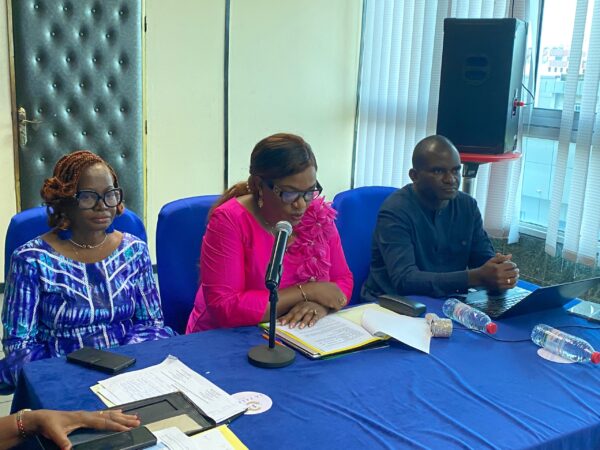
On October 22, the momentum continued as an American delegation headed by Sophia Lalani, Senior Advisor to the U.S. Senate Foreign Relations Committee, conducted a comprehensive inspection of handling facilities and ISPS-compliant security protocols.
The visit offered Capitol Hill decision-makers direct insight into cargo operations, digital tracking technologies, and infrastructure modernization efforts. Lalani highlighted the port’s role as a benchmark for infrastructure development in Cameroon, signaling Washington’s intent to position American technology providers and private investors within Central Africa’s expanding trade network.
Responding to the flurry of international interest, PAD leadership reaffirmed an open-door policy for global capital while emphasizing strict adherence to national strategic priorities and formal regulatory frameworks. By maintaining high operational standards, modernizing terminal facilities, and enforcing rigorous security measures across the Gulf of Guinea, the port authority has successfully diversified its international partnerships. This balanced engagement allows Cameroon to engage constructively with multiple geopolitical blocs while safeguarding its operational sovereignty.
Ultimately, this diplomatic concentration demonstrates that the Port of Douala-Bonabéri has evolved far beyond a domestic transit hub into a competitive space of global economic interest. As international powers compete for commercial footholds in Central Africa, PAD’s 2020–2050 Development Master Plan provides a structured path for integrating foreign capital into long-term infrastructure goals.
The successful hosting of Western envoys reinforces Douala’s position as an indispensable, secure, and modern maritime center driving economic integration across the CEMAC zone.