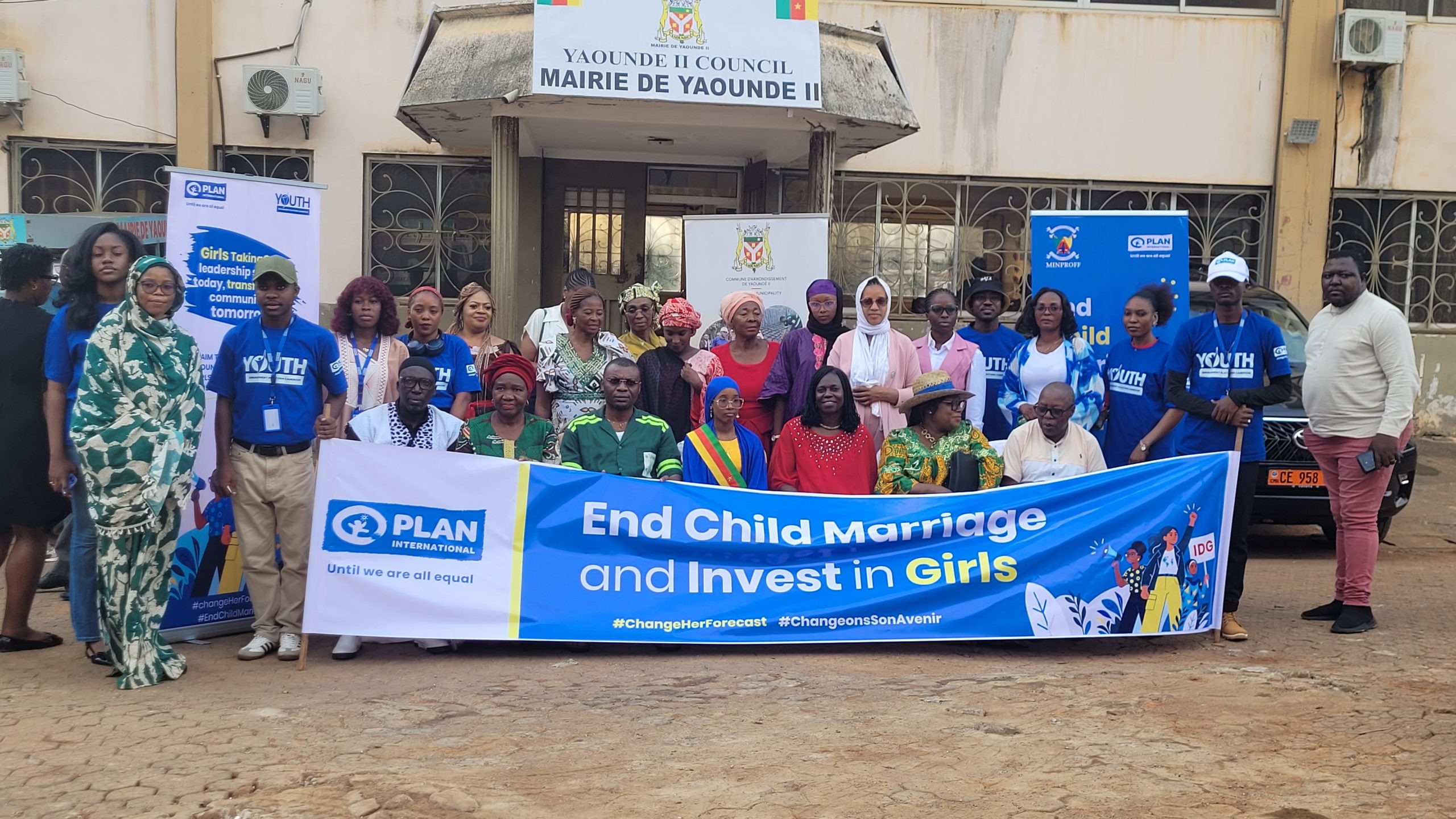
The Youth Engagement Platform of Plan International Cameroon brought together young girls, local authorities, development partners, educational leaders, and civil society actors at the Yaounde II Council for the Girls Take Over 2026 event on October 28, 2026 under the initiative of ending early marriages and investing in girls.
Centered on the theme “Investing against period poverty, for schools supportive of girls’ menstrual hygiene,” the advocacy initiative aimed to dismantle systemic barriers, promote menstrual dignity, and foster sustainable solutions to period poverty in schools.
Adhering closely to global safeguarding principles, the initiative established a safe, inclusive, and empowering environment where young participants were respected as key drivers of change rather than passive beneficiaries.
Taking on the symbolic role of Mayor of the Yaoundé II municipality, young advocate Ousseina Moussa powerfully demonstrated the capability of young women in decision-making positions while highlighting the severe risks period poverty poses to girls’ education.
Illustrating her message through the story of Mariam, a student forced to miss school monthly due to inadequate sanitation facilities, she stressed that menstrual insecurity directly threatens health, rights, and academic retention.
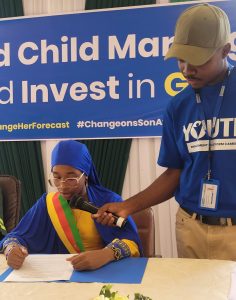
Addressing the assembly, Ousseina stated: “I encourage school institutions and the community to make menstrual hygiene a subject of education, health and dignity, not a source of shame or discrimination. Because investing in menstrual hygiene is investing in school life, it is reinforcing the autonomy of girls and it is contributing to the development of our entire nation.”
Plan International Cameroon reinforced its organizational commitment to safeguarding children’s rights and creating supportive environments that prevent school dropout.
Mecheh Justie Sizanne, Regional Director of Plan International Cameroon for the Center Region, spearheaded the takeover initiative and outlined how collective action can dismantle taboos and secure safe learning spaces. Reiterating the vision of the organization, she noted: “Plan Cameroon’s vision is to promote children’s rights, and particularly the rights of girls, so that they are capable of learning, deciding, directing, and thriving… ensuring that the precariousness of young girls regarding sexual health is no longer considered a problem, but rather a challenge, a hurdle to be overcome.”
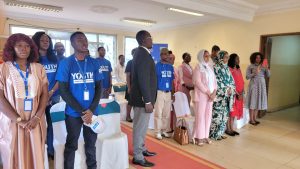
Institutional support for youth leadership was prominently echoed by the Ministry of Women’s Empowerment and the Family, which highlighted the imperative of providing young women equal opportunities to lead community initiatives.
Ayuk Honorine, a gender expert at the ministry, commended the takeover for challenging traditional patriarchal structures and encouraging civic engagement among young women.
Emphasizing the transformative impact of the initiative, she remarked: “Take over is a very good initiative because our ministry promotes women’s leadership… this young girl has demonstrated today that women can do better, and so they should be given the opportunity to express themselves, to speak out, to express and to take leadership roles.”
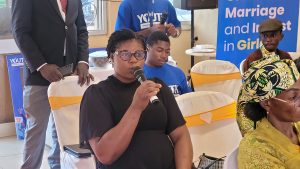
Local government authorities responded directly to the advocacy by committing concrete municipal resources toward ending menstrual insecurity in local schools. Yannick Martial Ayissi Eloundou, Mayor of the Yaounde II Council, pledged that the council would work alongside its Social Affairs Commission to distribute free hygienic kits to schoolgirls, particularly those from underprivileged backgrounds. Reaffirming the council’s commitment to fostering future leaders, Mayor Ayissi Eloundou affirmed: “We have decided to be able to make a contribution, the mayoralty of Yaounde 2nd to accompany young girls, especially those of families of our municipality who are in the school establishment to be able to benefit from kits, from hygienic kits for free to make it understood that it is really very important to bring forward these problems which concern our young girls today.”
Civil society organizations highlighted operational strategies to normalize menstrual health and integrate sustainable hygiene solutions directly within educational institutions. Mvondo Olivia, CEO and co-founder of KMERPAD, detailed her organization’s work in establishing peer-led Menstrual Hygiene Management – MHM clubs and distributing reusable sanitary accessories to protect girls’ dignity.
Stressing the urgent need to address infrastructural gaps in schools, she observed: “All decisions that must be made in this country must systematically take women into account, and that goes through their specific needs in terms of water, hygiene, and sanitation… when a girl has her period and her needs cannot be taken into account, or rather, are not taken into account, we can speak of gender-based violence.”
International human rights mechanisms further substantiated the advocacy by highlighting how period poverty directly undermines fundamental rights to health, dignity, and continuous education. Representing the United Nations Centre for Human Rights and Democracy in Central Africa and West Africa, Marina Olinga underscored the compounding vulnerabilities adolescent girls face, referencing international guidelines and response efforts by UN agencies like UNICEF and UNFPA.
Calling for comprehensive community mobilization, Marina Olinga declared: “Period poverty causes many girls to miss classes… This initiative aims to protect several fundamental rights, including the right to health, the preservation of reproductive and sexual health, the right to education, the right to a healthy environment with adequate sanitation, and the right to development.”
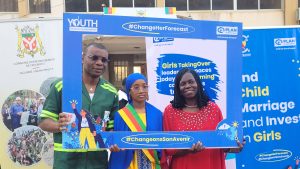
By uniting institutional leaders, civil society actors, international bodies, and youth advocates, the Girls Take Over 2026 event established a powerful blueprint for sustainable community action in Cameroon.
Through ongoing multi-stakeholder collaboration, policy integration, and the direct involvement of girls in public governance, the movement ensures that no girl’s education, dignity, or future is compromised by period poverty.