GAPBridgers Africa is redefining community support in Cameroon by tackling intersecting healthcare and economic disparities among vulnerable women and children.
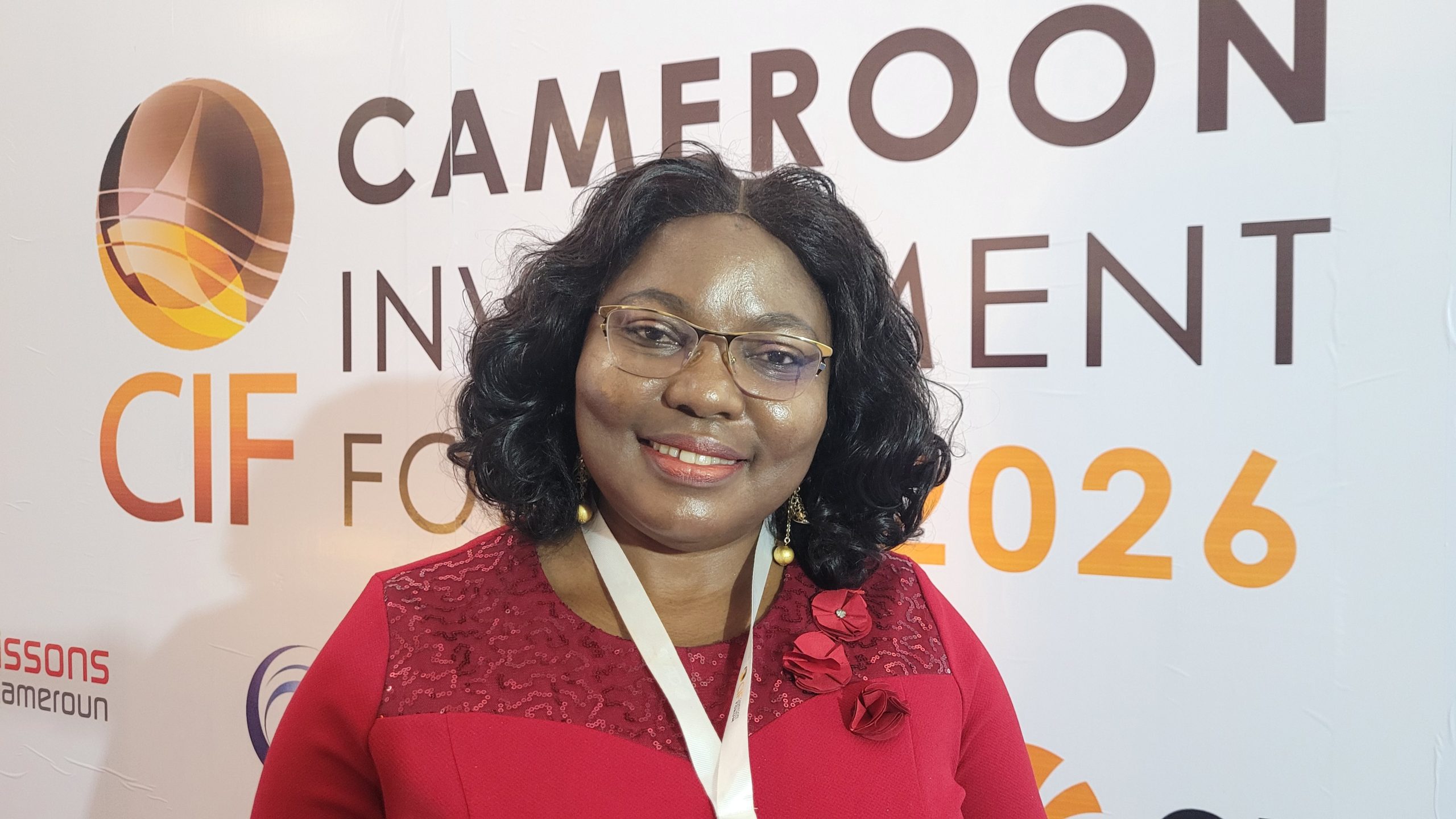
Speaking on the sidelines of the 5th edition of the Cameroon Investment Forum – CIF, held at the Yaounde Conference Center from November 18 to 20, 2026, the organization’s Chief Executive Officer, Dr. Lorin Bih, outlined a comprehensive model designed to promote equity and self-reliance. “I’m bringing the idea of people bridging life survival gaps for equity by making sure that everybody has access to a better life. Remember I say life, not health, not wealth. Life and everything that can make you have a better life,” Dr. Bih explained.
COMING UP AFTER THE ADVERTISEMENT
Based in Limbe, GAPBridgers Africa has operated for over five years, and formally registered for three, under a guiding philosophy that “we do not despise little beginnings.” A native of Bafut in Bamenda, Dr. Bih is a medical doctor, ophthalmologist, and pediatric subspecialist currently advancing into vitreoretinal ophthalmology.
Drawing from her personal journey and medical expertise, she established the organization to dismantle financial barriers to specialized medical services, particularly in eye care, where corrective lenses and treatments are widely perceived as unaffordable.
To sustain its charitable interventions without relying solely on external aid, GAPBridgers Africa employs a cross-subsidization healthcare model. The organization operates a well-furnished hospital where paying patients access quality medical treatment, and the generated proceeds are channeled directly into funding care for underserved populations.
Through this mechanism, the Limbe-based outfit provides free community eye care services, medical treatments, surgeries when necessary, and both reading and prescription glasses, addressing critical visual needs, especially for adults aged 40 and above.
Beyond clinical interventions, Dr. Bih emphasized that lasting wellness requires addressing household poverty, noting that “health is wealth” and that preventive nutrition is vital to keeping families out of medical debt. Rather than encouraging reliance on costly commercial baby formulas, GAPBridgers Africa trains mothers to combine nutrient-rich, locally produced farm foods into balanced indigenous diets for their children. “We teach them how to even improve their meals… how can you cook your food that will be healthy and that will nourish you and also prevent you from getting sick unnecessarily,” she noted.
Economic empowerment forms the second pillar of the organization’s strategy to uplift vulnerable households. GAPBridgers Africa equips women with practical microeconomic and entrepreneurial skills using accessible, low-cost local materials to generate income and reduce daily household expenses.
Participants learn to produce essential commodities such as bleach and homemade soap, utilizing locally available inputs like ram fat and wood ash instead of expensive commercial chemicals.
By pairing preventive healthcare and free clinical outreach with hands-on vocational training, GAPBridgers Africa demonstrated at the Yaounde forum how grassroots social enterprises can drive sustainable community development.
As Dr. Bih underscored, equipping women with both the physical health and the practical knowledge to sustain their homes ensures that vulnerable communities can break cycles of poverty one step at a time.