Under the enlightened leadership of His Excellency Paul Biya, President of the Republic of Cameroon and Head of State, Cameroon continues to foster cordial and fruitful bilateral and multilateral cooperation with friendly nations and international organizations worldwide.
This diplomatic vision spans multiple strategic domains, including economic development, social affairs, diplomacy, and culture, positioning the nation as an active and reliable partner on the global stage.
Within the Arts and Culture sub-sector, bilateral partnerships have yielded tangible and enriching outcomes that celebrate shared heritage and creative exchange. Among these enduring international relationships, Cameroon’s longstanding cultural cooperation with the United Kingdom of Great Britain and Northern Ireland stands out as a prime example of how cross-border collaboration can elevate indigenous stories and artistic expression.
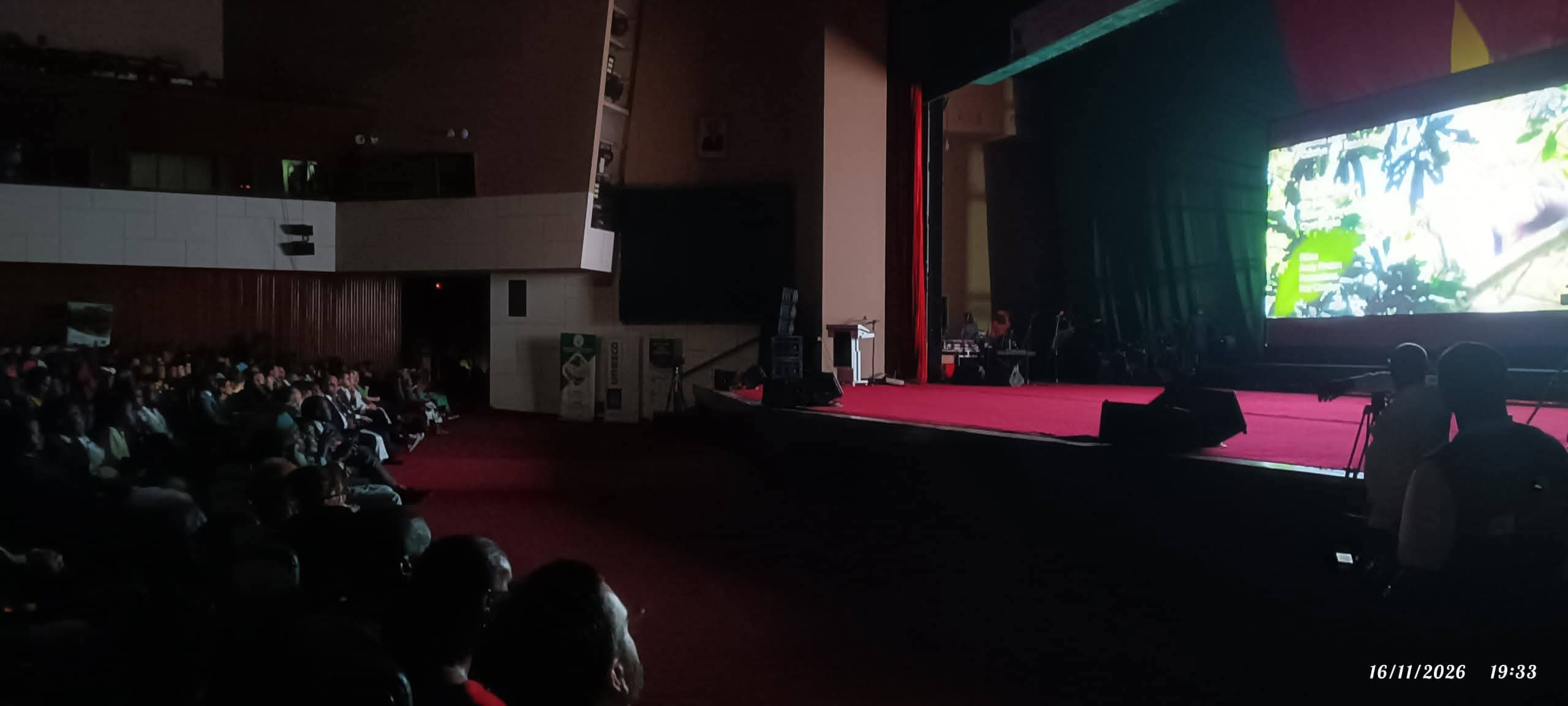
A powerful testament to this bilateral synergy is the documentary film I See You in My Dreams, directed by acclaimed British filmmaker Phil Agland.
Filmed in the East Region of Cameroon, the documentary chronicles the evolving socio-cultural realities of the Baka community, offering global audiences an intimate and respectful window into their way of life while underscoring decades of artistic trust between both nations.
At the emotional heart of the documentary lies a poignant reflection from Kamera’s family head, the King, who shares: “I see you in my dreams. But in the morning, when I wake up, you’re not there. And it happens all the time.” These words capture the deep ancestral memory, longing, and spiritual continuity that define the Baka people’s lived experience amidst a rapidly changing world.
For Cameroon’s Ministry of Arts and Culture, the release and recognition of this production serve as an important platform to highlight one of its core mandates: the active promotion and development of the seventh art.
By supporting international film collaborations that spotlight local communities, the Ministry reinforces cinema’s vital role as both a creative industry and an instrument of cultural diplomacy.
Beyond cinematic achievement, the documentary underscores the urgent necessity of transmitting ancestral knowledge from one generation to the next. It stands as a timely reminder for Cameroon to intensify its efforts to promote, safeguard, and valorize its rich and diverse cultural heritage, ensuring that living traditions endure and thrive for generations to come.