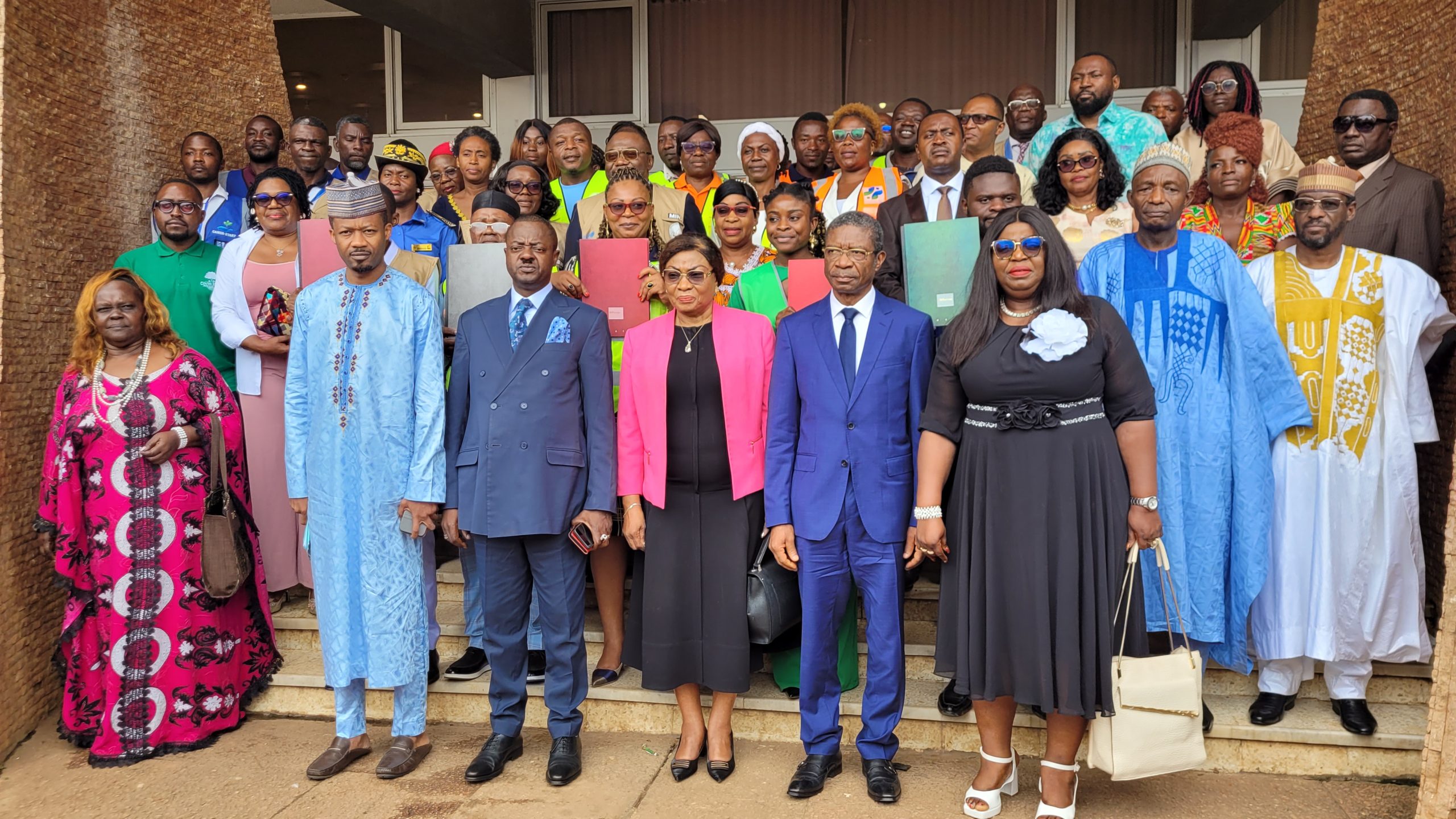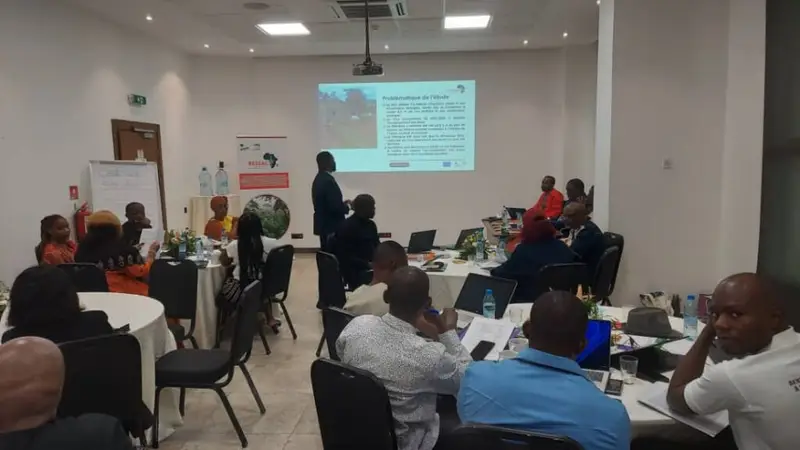
Gathered on March 30, 2026, in Yaounde, researchers, academics, and development stakeholders took part in a closing workshop of a research project focused on the political economy of forest land grabbing and conversion in the Congo Basin.
The meeting highlighted the responsibilities of elites and the major impacts on both communities and the environment.
The recent regional study unveiled in Yaoundé highlights a troubling acceleration in forest land grabbing across the Congo Basin, a phenomenon that has intensified since the global economic shifts of the late 2000s.
While international investors were historically viewed as the primary drivers, this new research shifts the spotlight toward local elites. By leveraging political and economic influence, these powerful internal actors facilitate large-scale land acquisitions that often bypass traditional safeguards, leading to a profound “internal” dispossession of territory.
This systematic conversion of forest land into commercial or private holdings has devastating social consequences for rural populations. Local communities, who have relied on customary lands for generations, find themselves restricted from the very resources essential for their daily subsistence.
This loss of access does not just create immediate poverty; it deepens the structural inequality between the rural masses and the urban-based elite, destabilizing the social fabric of countries like Cameroon, Gabon, and Congo.
The environmental toll is equally severe, as the conversion of primary forests into industrial zones or private estates leads to a permanent loss of biodiversity. These ecosystems provide vital services—such as carbon sequestration and water regulation—that are indispensable for global climate stability and local agricultural health. When these forests are cleared, the resulting environmental degradation creates a feedback loop that further impoverishes the communities who depend on the natural equilibrium of the region.
A critical takeaway from the Yaoundé workshop is the need for a fundamental shift in land governance. Experts argue that transparency is the only antidote to the opaque transactions currently favoring the powerful.
By formalizing and securing the land rights of indigenous and local communities, governments can create a legal buffer against arbitrary land seizures. Without such protections, the “development” promised by large-scale land conversion remains an illusion that benefits the few at the expense of the many.
Ultimately, the consortium of researchers and advocates is calling for an inclusive policy framework that balances economic ambition with social justice. The goal is to move beyond mere documentation of the problem and toward the implementation of sustainable management practices.
For the Congo Basin to remain the “second lung of the Earth,” its governance must prioritize the preservation of its ecosystems and the dignity of its people over the short-term gains of a concentrated elite.