The Confederation of African Football – CAF is embarking on a historic restructuring of its competitive landscape, headlined by the expansion of the Africa Cup of Nations – AFCON to 28 teams.
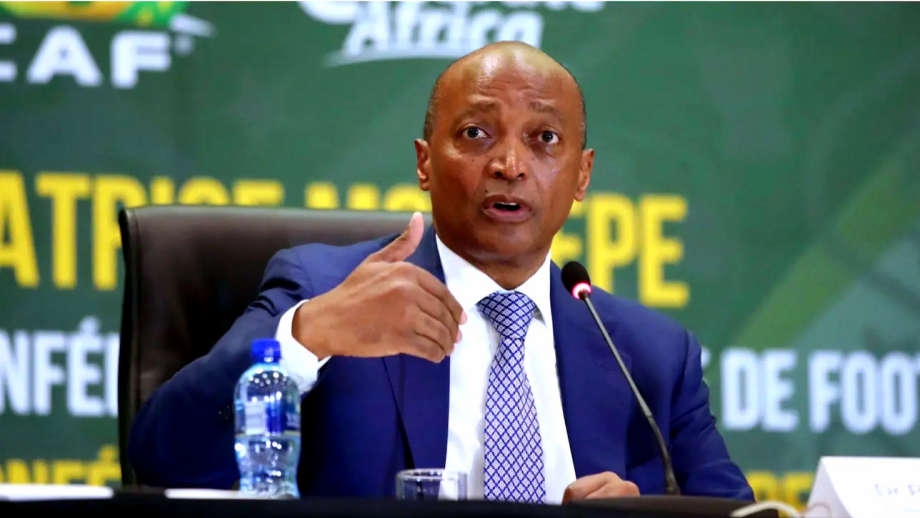
Announced by President Patrice Motsepe, this move from the current 24-team format aims to broaden continental representation and provide more nations with a platform on Africa’s biggest stage.
The shift will begin in 2027, a tournament significantly marked by its co-hosting arrangement between Kenya, Tanzania, and Uganda, signaling a strategic push to elevate the footballing infrastructure and profile of East Africa.
Central to these reforms is the introduction of the African Nations League, slated for a 2029 launch. Designed to mirror the success of similar structures in Europe, this annual competition will involve all 54 member nations of Africa, culminating in a 16-team finals tournament every two years.
This initiative is intended to solve the long-standing issue of inconsistent “friendly” windows, ensuring that national teams engage in regular, high-stakes competitive matches that boost both technical development and commercial revenue.
A pivotal and perhaps more controversial aspect of the roadmap is the transition of AFCON to a four-year cycle following the 2028 edition. By moving away from the traditional biennial format, CAF aims to alleviate the scheduling pressure on elite players and harmonize the African football calendar with global standards.
This gap in the biennial schedule will be bridged by the Nations League, maintaining a constant stream of competitive football for fans and broadcasters while reducing the “tournament fatigue” often cited by European clubs.
The timing of these reforms is no coincidence, as CAF faces mounting pressure to address governance issues and unpredictable fixture reliability. President Motsepe’s emphasis on “predictable, consistent, and reliable” scheduling reflects a desire to professionalize the continent’s image and attract greater international investment. By streamlining the calendar, CAF hopes to eliminate the last-minute host changes and date shifts that have occasionally marred previous tournaments.
Despite the ambitious vision, significant questions regarding implementation remain unanswered. Integrating an expanded AFCON and a new Nations League into an already crowded FIFA international window will require delicate negotiations with global stakeholders and domestic leagues.
As CAF moves toward this new era, the focus will now shift to the exact calendar adjustments and the logistical challenges of hosting larger, more frequent tournaments across the diverse landscapes of the continent.