The Cameroonian government has introduced a major reform in the management of local finances, officially stripping local and city councils of their powers to collect local taxes, levies, and municipal charges.
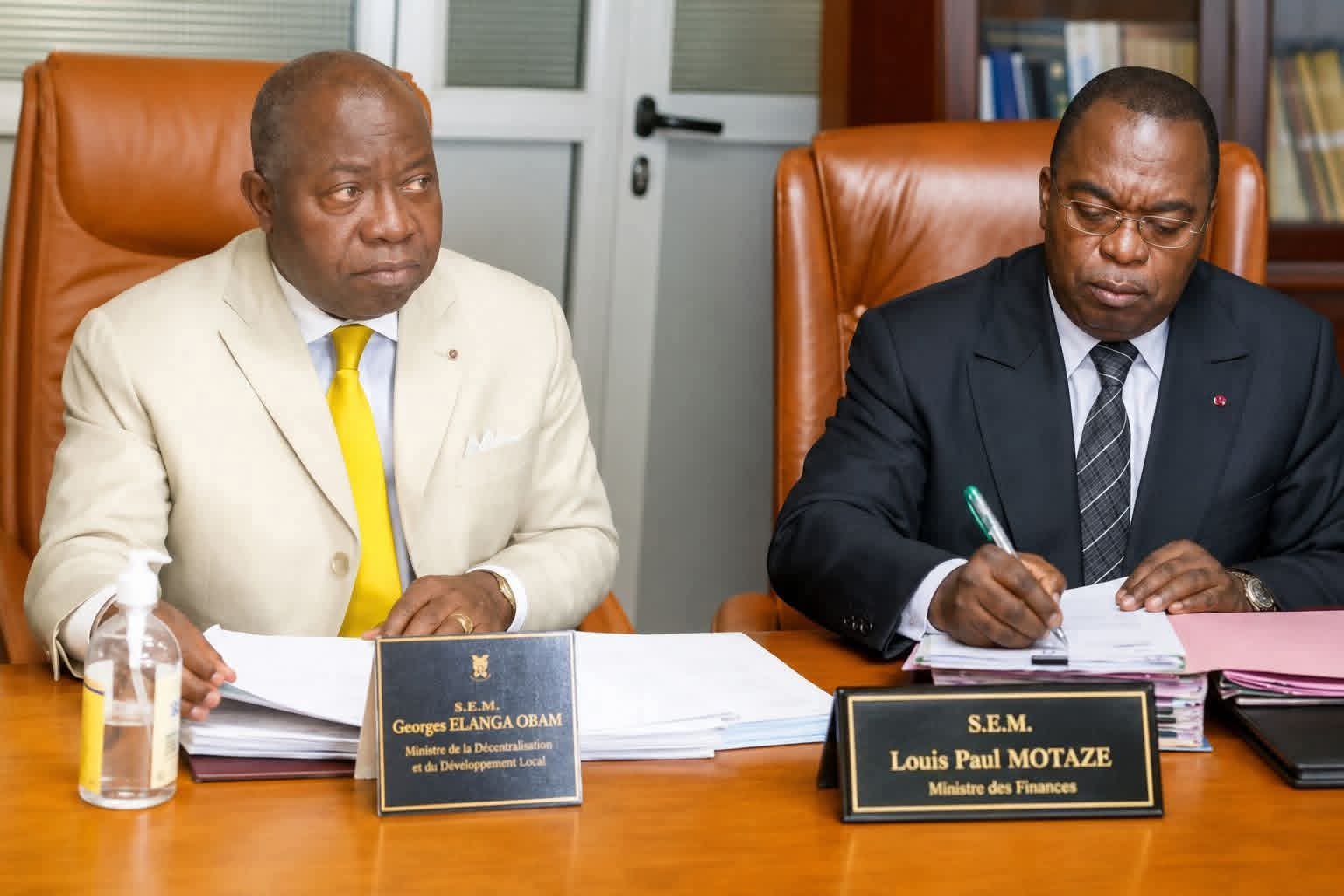
This significant policy shift follows a joint ministerial order signed by the Minister of Finance, Louis Paul Motaze, and the Minister of Decentralisation and Local Development, Georges Elanga Obam. The measure directly implements Law No. 2024/020 of December 23, 2024, on local taxation, effectively placing control of municipal recovery under State services, specifically the Directorate General of Taxation – DGI.
Under Article 13 of the new joint order, municipal officials and accounting officers across councils, subdivision councils, and city councils are henceforth barred from issuing and recovering local taxes and duties. Instead, Decentralised Territorial Collectivities – CTDs will be restricted to operating “Local Taxation Monitoring Units.”
These units will possess no direct collection powers, tasked only with identifying taxpayers, transmitting data to tax authorities, monitoring revenue performance, assisting local tax centers, and generating follow-up reports. Furthermore, the creation of any monitoring unit now strictly requires prior approval from a State representative.
This structural overhaul represents a significant recentralization of local taxation, heavily impacting revenue collection mechanisms that were previously managed independently by municipalities. The urban advertising sector, in particular, faces immediate disruption as the new law casts doubt on numerous agreements signed between councils and advertising contractors or private revenue collection agents. These local partnerships and collection practices have frequently faced criticism from central authorities for lacking a proper legal basis.
By pulling financial control back to the capital, the central government considerably strengthens its grip over the financial lifelines of local councils. While proponents may view the intervention as a way to streamline revenue collection and eliminate legal irregularities, observers note that it heavily curtails local autonomy.
The sudden shift has reawakened intense national debates regarding the effective limits of decentralization and local governance within Cameroon.