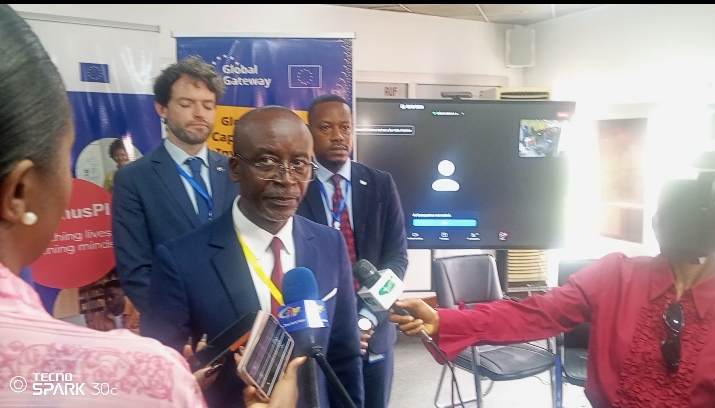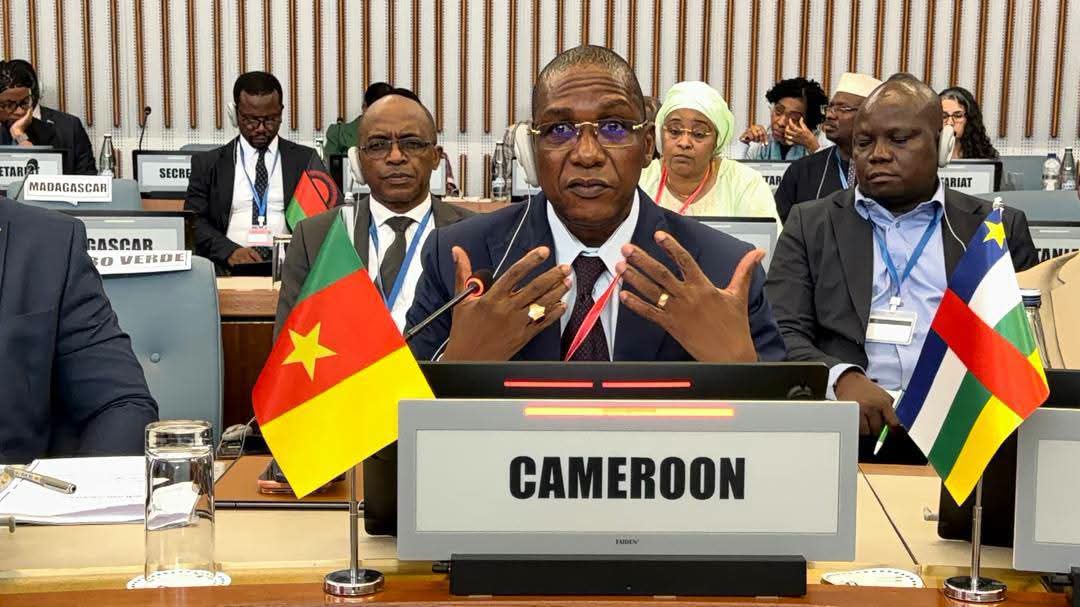
Cameroon’s Minister of Public Health Dr. Manaouda Malachie, took part this August 24, 2026, in Addis Ababa, Ethiopia, in the first session of the High-Level Ministerial dialogue. Representing the President of the Republic, the health boss joined ministers and key stakeholders on the sidelines of the 76th Session of the WHO Regional Committee for Africa.
The session was dedicated to strengthening regional regulatory systems and local manufacturing capacity, two foundational levers aimed at reinforcing health security, building system resilience, and advancing Universal Health Coverage across the continent.
Addressing the assembly on behalf of Cameroon, Dr. Manaouda outlined the country’s progress in expanding its domestic pharmaceutical industry. Since 2020, Cameroon has grown its local production footprint from 7 to 19 manufacturing units, boasting 239 approved products. Despite this positive momentum, the Minister noted that locally manufactured pharmaceuticals currently cover only about 15% of the items on the National Essential Medicines List and satisfy less than 5% of overall national demand.
The Minister also outlined critical obstacles hindering the sector’s rapid development, including restricted access to capital, energy shortages, raw material sourcing challenges, stiff competition from imported goods, and delays in public procurement payments. To counteract these bottlenecks, the Cameroonian government has introduced targeted interventions, such as tax and customs exemptions on selected raw materials and machinery, alongside preferential national procurement policies for domestic producers that meet strict standards for safety, quality, efficacy, and price competitiveness.
Sustaining local manufacturers requires a predictable market, making public procurement optimization a top priority for the Cameroonian government. To that end, the country is finalizing its national strategy for pharmaceutical industry development while actively pursuing public-private partnership models. On the regulatory front, Cameroon aims to modernize its oversight capabilities by upgrading its current regulatory bodies and conducting feasibility studies toward the establishment of a dedicated Cameroonian Medicines Agency.
Beyond national policies, Dr. Manaouda emphasized the critical need for regional coordination and inter-African cooperation. He concluded that building a competitive, resilient African pharmaceutical industry requires collective action to fulfill the healthcare needs of local populations and secure long-term health sovereignty across the continent.