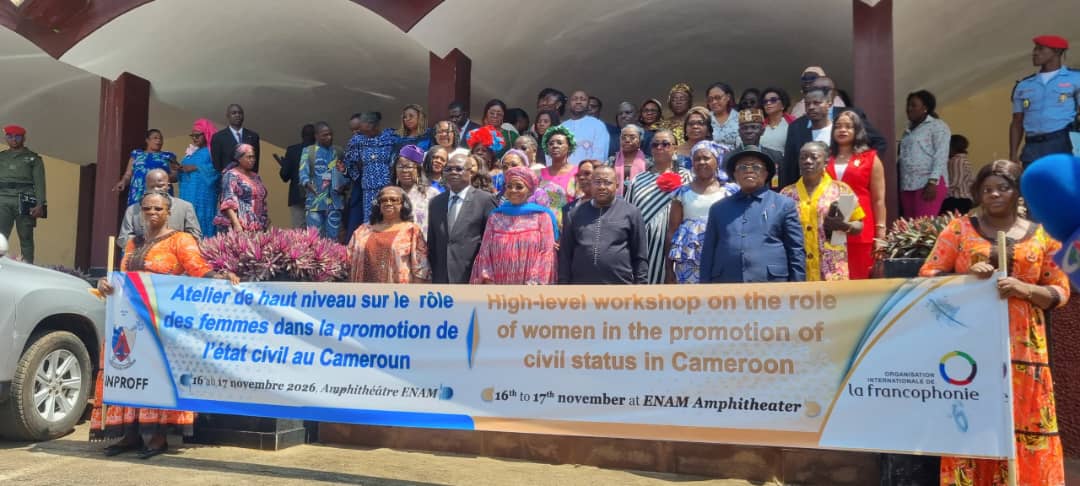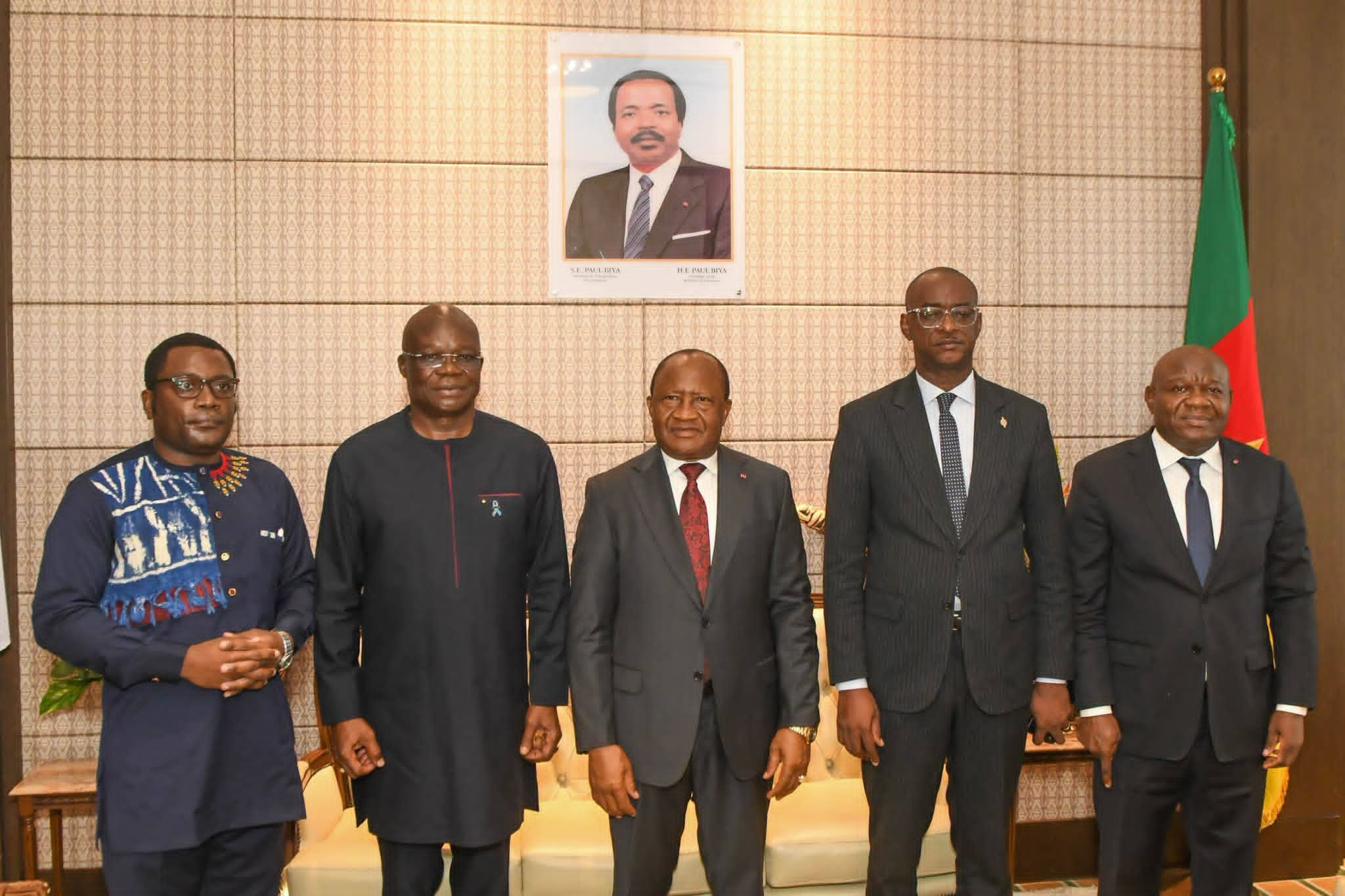
The Speaker of Cameroon’s National Assembly, the Right Honourable Théodore Datouo, has reaffirmed Parliament’s commitment to strengthening the country’s civil status registration system, placing a strong emphasis on women’s participation and the protection of citizens’ fundamental rights.
The pledge was made during a high-level audience granted to H.E. Alphonse Waguena, Representative of the International Organisation of La Francophonie – OIF for Central Africa, who is currently in Cameroon for a consultative meeting focused on the role of women in civil registration processes.
Central to the discussions was the urgent need to dismantle legal and institutional barriers that hinder women from fully participating in civil status procedures. Both parties emphasized that an accessible, inclusive civil registration framework is vital for ensuring every citizen obtains legal identity and enjoys full protection under the law.
A major focal point of the consultation is the advocacy for revising Sections 56 and 57 of Cameroon’s December 23, 2024 Law on Civil Status Registration. These specific provisions govern civil status registration and the reconstitution of records during emergencies, as well as procedures tailored for internally displaced persons – IDPs.
Updating these sections aims to ensure that crisis-response mechanisms and displacement protocols adequately integrate gender equality and safeguard women’s rights.
By endorsing this initiative, Speaker Datouo signaled the National Assembly’s readiness to leverage its constitutional mandate to examine the existing legal framework and support necessary legislative reforms.
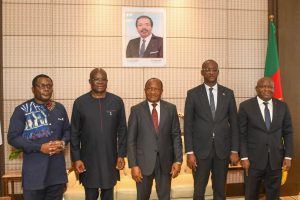
The audience also brought together key institutional figures, including Hon. Cabral Libii, Member of the Parliamentary Assembly of La Francophonie – APF, the Clerk of the House, André Noël Essian, and Dr. Hans De Marie Heungoup, OIF Political Analyst for Central Africa.
Ultimately, the engagement underscores the growing synergy between Cameroon and the OIF in advancing inclusive governance and gender equity.
Strengthening the legal mechanisms behind civil status registration not only empowers women in administrative processes but also reinforces the broader national effort to guarantee legal recognition and human rights for all citizens, particularly those affected by crises and displacement.