Acting on the high instructions of the Head of State and Commander-in-Chief of the Armed Forces, Cameroon’s Minister Delegate at the Presidency in charge of Defense, Joseph Beti Assomo, chaired a crucial security evaluation meeting on Thursday, November 26, 2026.
Held at the Ministry of Defense headquarters, the session focused on preparing security frameworks ahead of the 2026 end-of-year festivities, the 2027 New Year celebrations, and the twin legislative and municipal elections scheduled for February 7, 2027.
COMING UP AFTER THE ADVERTISEMENT
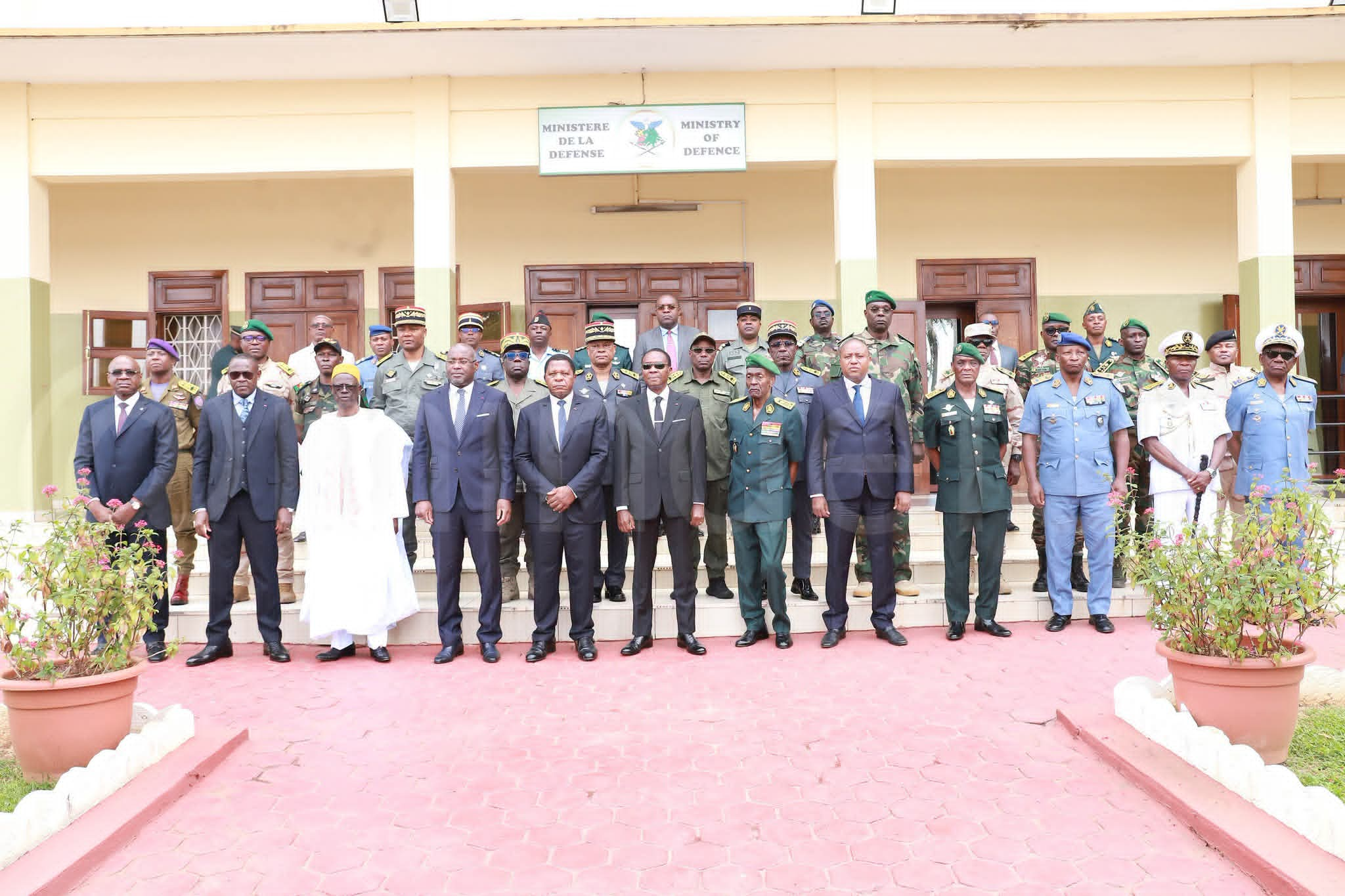
The high-level strategic gathering brought together top administrative, military, and intell officials. Attendees included the Minister of Territorial Administration, Paul Atanga Nji; Secretaries of State at the Ministry of Defense Galax Yves Etoga and Issa Koumpa; the Chief of Defense Staff, General René Claude Meka; the Director General of External Research; and the Secretary General of the General Delegation for National Security representing Martin Mbarga Nguele, alongside a college of general officers and partner administrations.
In his opening remarks, Minister Beti Assomo outlined the dual stakes facing the nation: ensuring peaceful holiday celebrations and securing the upcoming twin elections convened by presidential decree. Noting that the February polls reflect Cameroon’s democratic vitality and citizens’ right to freely choose their representatives, he emphasized that the Defense and Security Forces – DSF must closely oversee the electoral process to preserve public order and civilian tranquility.
Reviewing the national theater of operations, the Defense Minister delivered an exhaustive assessment of regional security dynamics. In the Far North, residual Boko Haram incursions have declined significantly due to sustained DSF offensives, local vigilance committees, and joint operations with the Multinational Joint Task Force -MNJTF and neighboring armies, though heightened vigilance remains necessary.
In the North-West and South-West regions, the situation remains largely under control, despite weakened separatist groups attempting to exert psychological pressure through “ghost town” lockdowns that could intensify before the elections.
Addressing the rest of the territory, the Minister highlighted targeted responses to specific threats in the West, Adamawa, North, and Centre regions, including intercommunal tensions in the Noun division, agro-pastoral conflicts, cattle rustling, and ransom kidnappings, challenges requiring close synergy between administrative authorities, local communities, and security forces.
Meanwhile, strict surveillance continues around mining sites and against illicit arms trafficking in the East, while maritime zones and land borders remain relatively calm, supporting the free movement of people and goods.
As these critical national milestones approach, the High Command reaffirmed its absolute commitment to safeguarding state security and territorial integrity.
Following the opening addresses and a traditional group photograph with Minister Beti Assomo, participants transitioned into closed-door sessions to finalize operational deployments.