The natural biological process of menstruation remains a significant hurdle for millions of women worldwide, but maintaining proper hygiene during this period is an entirely different battle. In rural and countryside settings, “menstrual poverty” severely affects young girls and women who lack financial means and physical access to basic sanitary products.
This systemic deprivation does not just compromise their health and dignity; it creates a harsh educational barrier, forcing vulnerable girls to fall behind or drop out of school entirely due to a lack of basic resources.
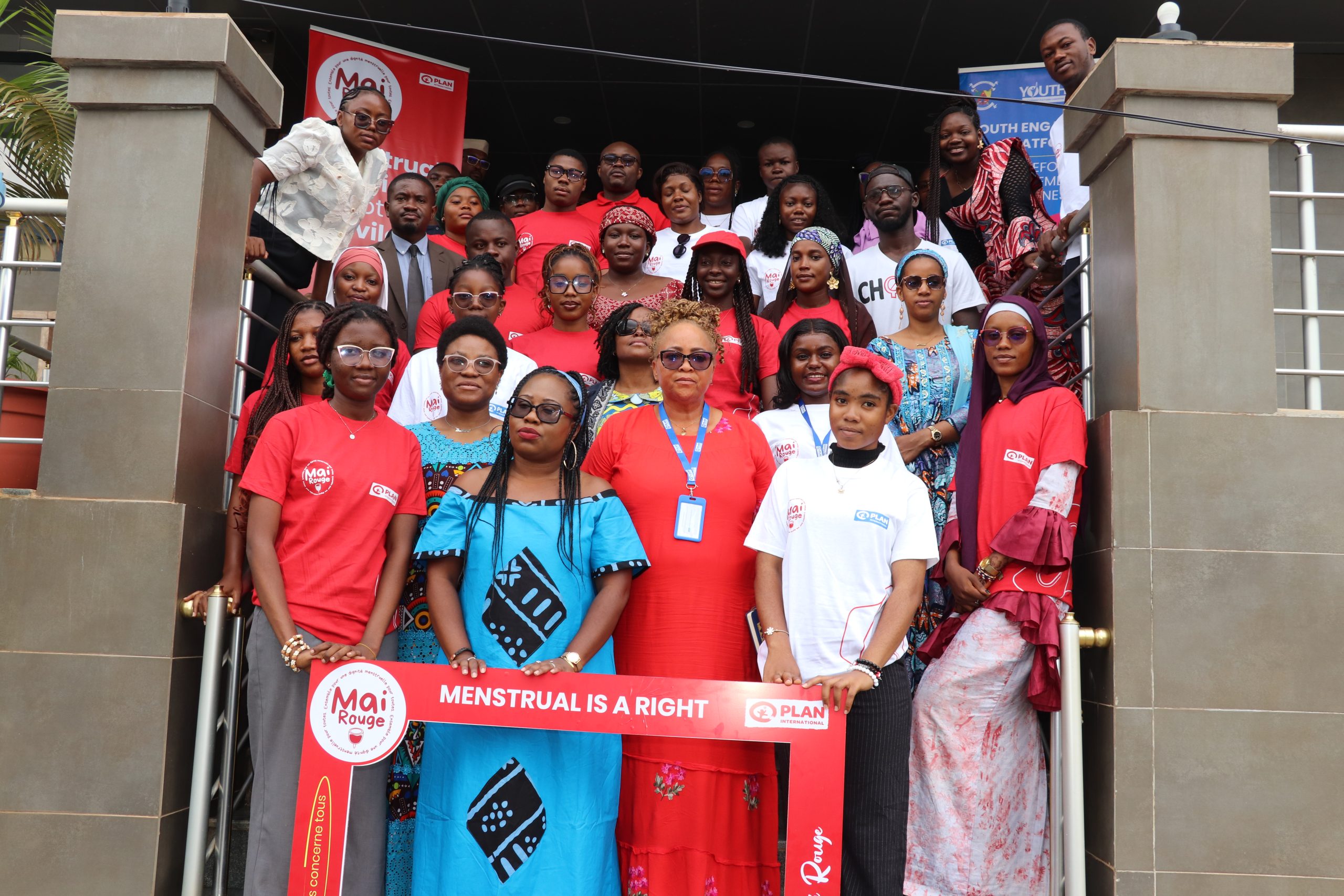
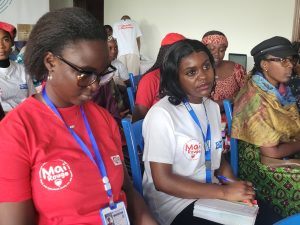
To confront this crisis and dismantle deep-rooted taboos, Plan International Cameroon’s Youth Engagement Platform – YEP hosted a vital roundtable conference on June 2, 2026. Organized as part of the International Day of Menstrual Hygiene celebrations, the two-day event rallied over 30 youth leaders, civil society heads, and reproductive health experts. Centered on the urgent theme, “Period Poverty: A Major Challenge for the Education of Young Girls,” the conference aimed to educate both boys and girls on effective menstrual hygiene management while highlighting how modern period poverty directly hinders a girl’s right to an education.
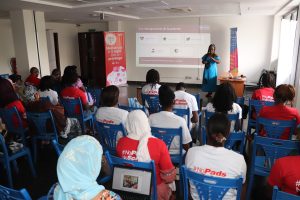
The foundational discussions began with a crucial focus on risk management and safety protocols. Ngouleu Josiane, the Safeguarding and PSHEA Lead at Plan Cameroon, delivered an insightful presentation outlining how the organization integrates protective measures directly into the design and execution of its community programs. By identifying and minimizing potential risks ahead of time, Plan International ensures that their interventions remain safe, supportive, and highly effective for the vulnerable populations they serve.
Building on this framework of safety, Dr. Jeannette B. Afounde, a Regional Sexual and Reproductive Health Rights Technical Specialist, delivered an inaugural lesson on the practicalities of menstrual health. Dr. Afounde provided a comprehensive breakdown of various protective sanitary pads, examining their unique advantages, disadvantages, and overall comfort levels. She shared critical maintenance strategies for reusable pads, emphasizing the necessity of wearing breathable cotton underwear and changing products frequently to reduce severe health risks and bacterial infections.
Addressing the agonizing reality of dysmenorrhea (severe menstrual cramps), Dr. Afounde warned against the dangers of self-medication, urging young women to seek tailored diagnoses from professional gynecologists. This medical guidance directly addresses the “May Red Campaign” slogan, “no pads, no school,” which illustrates how fear of public mockery and a lack of proper facilities force young girls to miss vital school days. Fani Mbongo’o Hélène Marie, Vice-President of YEP, drove this point home by reminding participants that menstrual equity is a fundamental human right, not a luxury, challenging everyone to spark real change in their home communities.
Crucially, the conference shifted the narrative by establishing that menstrual hygiene is not solely a women’s issue, but one that requires the active allyship of men and boys. Participant Awoutsa Dongmo Jean Sylvain shared a powerful personal testimony, explaining how he supports his younger sisters by purchasing sanitary pads and painkillers during their cycles. By normalizing male involvement and framing period support as a shared family responsibility, the conference highlighted how boys can step up to protect the safety, dignity, and peace of mind of the women around them.
This impactful event was fueled by the Youth Engagement Platform (YEP), a dynamic national network designed by Plan International Cameroon to weave youth voices directly into institutional programming. Operating across 70 interconnected associations to ensure transparent, credible, and traceable communication, the platform actively engages thousands of smart, creative young people. Currently established across seven major regions—including Yaoundé, Douala, Bamenda, Buea, Bertoua, Garoua, and Maroua—YEP brings localized grassroots ideas straight to decision-makers, proving that sustainable development must be built with youth, not just for them.
Ultimately, this initiative embodies Plan International’s core vision: achieving a world where every young girl can access a quality education completely unhindered by material or health obstacles. By equipping communities with reproductive education and sustainable hygiene solutions, Plan International works tirelessly to eliminate the vulnerabilities that disrupt a girl’s academic journey. Their ongoing advocacy ensures that every young person’s voice is heard, systematically breaking down financial and cultural barriers so that a natural monthly cycle never again compromises a young woman’s future.