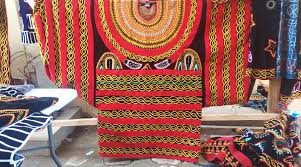
The Atoghu, a richly embroidered ceremonial cloth deeply rooted in the heritage of the Grassfields of Cameroon, has become the centerpiece of a landmark international protection campaign. Long worn with pride during cultural ceremonies, the traditional textile is transitioning from informal cultural recognition into the complex realms of law, policy, and global intellectual property debates.
This strategic drive aims to halt the uncontrolled reproduction and commercial exploitation of the fabric, ensuring that its cultural integrity is legally shielded from widespread global misuse.
For years, distinctive Atoghu designs have traveled far beyond the artisan workshops of Bamenda, regularly surfacing in foreign fashion markets and major retail spaces without appropriate attribution.
This unchecked circulation has inflicted both cultural dilution and severe economic exclusion on the local embroiderers who handcraft the material. To combat this theft, La Liberté Arts Group – LALIG has forged an unprecedented partnership with the London School of Economics and Political Science (LSE) Law School to build a structured, enforceable legal framework designed to protect traditional cultural expressions.
Led by an international legal and research team including Prof. Tatiana Flessas, Dr. Luke McDonagh, Barr. Caroline Mbinker, and Dr. Roxana Willis, the initiative focuses on a clear legislative roadmap. A comprehensive LSE research report is anticipated by March 2027, which will lay the groundwork for policy briefs tailored for Cameroon’s Ministry of Arts and Culture and the North West Regional Assembly.
Concurrently, engagements in London will look toward strategies under the World Intellectual Property Organization – WIPO to anchor the textile’s rights firmly within international intellectual property law.
Akumbu L. Jones Bubuh, Director of LALIG, described the collaboration as a historic turning point that places Bamenda’s native artisans at the absolute center of the global conversation. To prevent the legal process from drifting away from the community it seeks to guard, local grassroots organizations—including the North West Fashion and Designers Association – NOFADA and the Cultural Embroiderers and Handicraft Development Association – CEMAHD—will actively steer local participation.
Ultimately, the survival of the Toghu serves as a critical test case for whether indigenous African heritage can successfully secure fair economic returns and legal protection in a global system not originally designed for it.