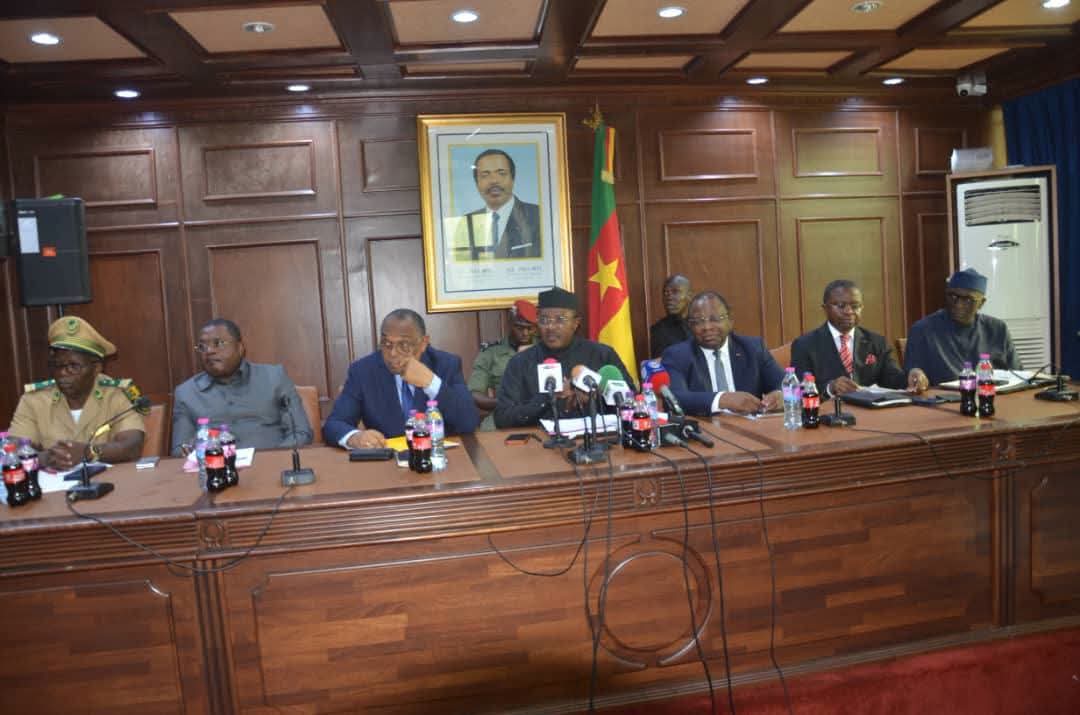
The threat of a widespread paralysis across Cameroon’s freight transport network has been averted following a high-level emergency intervention led by the Minister of Transport, Jean-Ernest Masséna NGALLE BIBEHE.
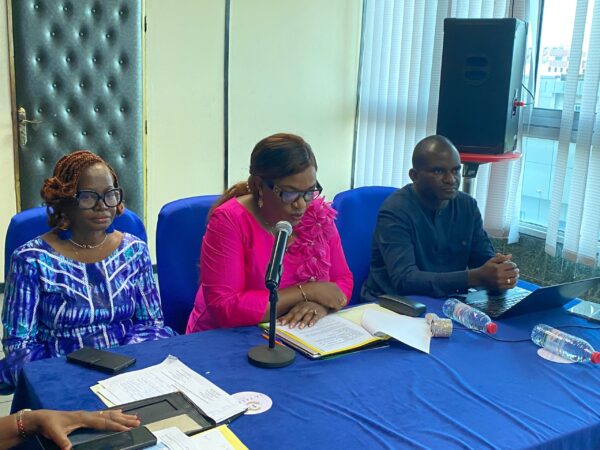
Convened under the direct instructions of the Prime Minister to address a nationwide strike set to begin on August 24, the crisis summit brought government officials and trade union leaders to the negotiating table. Key cabinet ministers, including those overseeing Employment, Trade, Public Works, and Transport, met alongside representatives from security forces, port authorities, rail operators, and logistics stakeholders to resolve long-standing operational grievances in the road transport sector.
The strike notice, originally submitted to the Prime Minister on August 5, 2026, detailed several critical grievances affecting freight operations across the nation. Transport unions raised concerns regarding the enforcement of Decree No. 2022/8801/PM of October 10, 2022, governing own-account freight transport, and Decree No. 2025/314 of July 16, 2025, concerning the transformation of the Cameroon National Shippers’ Council – CNCC. Additional complaints focused on streamlining highway checkpoints, road safety practices, deteriorating road infrastructure, axle-weight inspection procedures, and working relationships with various administrative and port authorities.
To preserve peace and ensure the uninterrupted flow of goods, the government and transport stakeholders agreed on a comprehensive series of resolutions. The issuance of the S6 transport license has been suspended indefinitely pending a full regulatory review by an interministerial committee to be set up under the Prime Minister’s office. Concerns regarding the CNCC transformation decree will similarly be submitted to the Prime Minister for further interministerial study.
Furthermore, road checks for transit goods will now be strictly confined to four authorized checkpoints on the Douala-N’Djamena corridor and three on the Douala-Bangui corridor, while on-the-spot cash fine collections by Ministry of Transport road safety teams have been strictly prohibited.
The agreement also introduces specific operational relief measures for logistics operators and drivers. A decree extending the national collective bargaining agreement for the road transport sector will be resubmitted to the Prime Minister within 24 hours, alongside the creation of a structured consultation framework between transport unions and major oil and port facilities (SCDP, PAD, and PAK). The Ministry of Commerce instructed the SCDP to enforce tanker truck loading procedures within 24 hours.
Additional measures include ending tanker truck weighing at weigh stations, enforcing the suspension of mobile axle-weighing on the Edéa-Kribi axis, confining vehicle dimension checks strictly to official weigh stations, clarifying flatbed trailer inspection guidelines, addressing harassment in the North-West and South-West regions, and submitting a list of critical road repair points to authorities within 24 hours.
Following the adoption of these resolutions, road transport industry leaders commended the government’s openness to constructive dialogue and its commitment to resolving their operational challenges. Consequently, the unions officially cancelled the strike planned for August 24, 2026, and urged all drivers and transport operators nationwide to maintain peace and resume their standard operations immediately.