Cameroon has taken a decisive step toward reducing its reliance on foreign imports through a new strategic partnership between the Ministry of Trade and the Cameroonian Bank for Small and Medium-sized Enterprises – BC-PME.
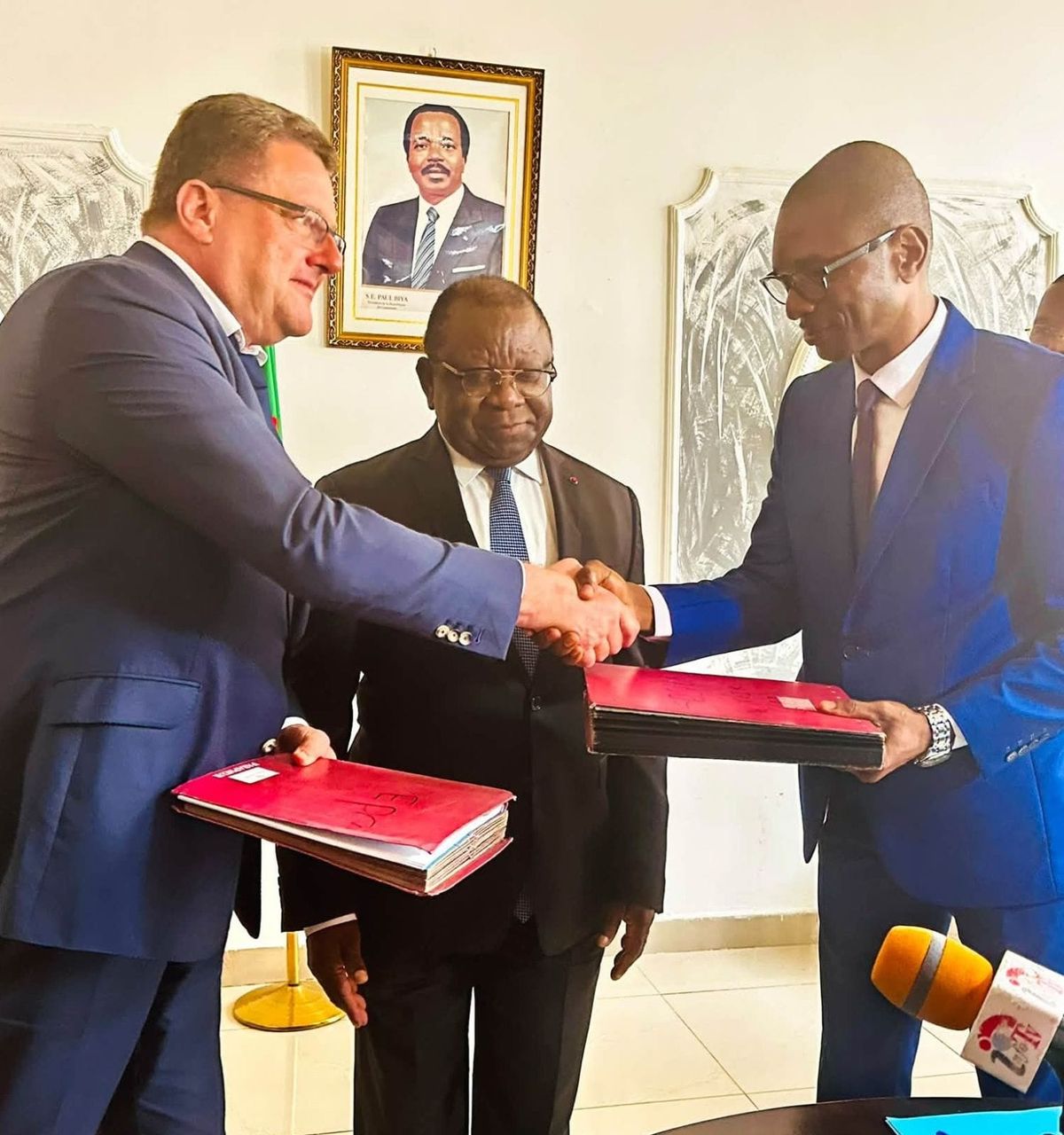
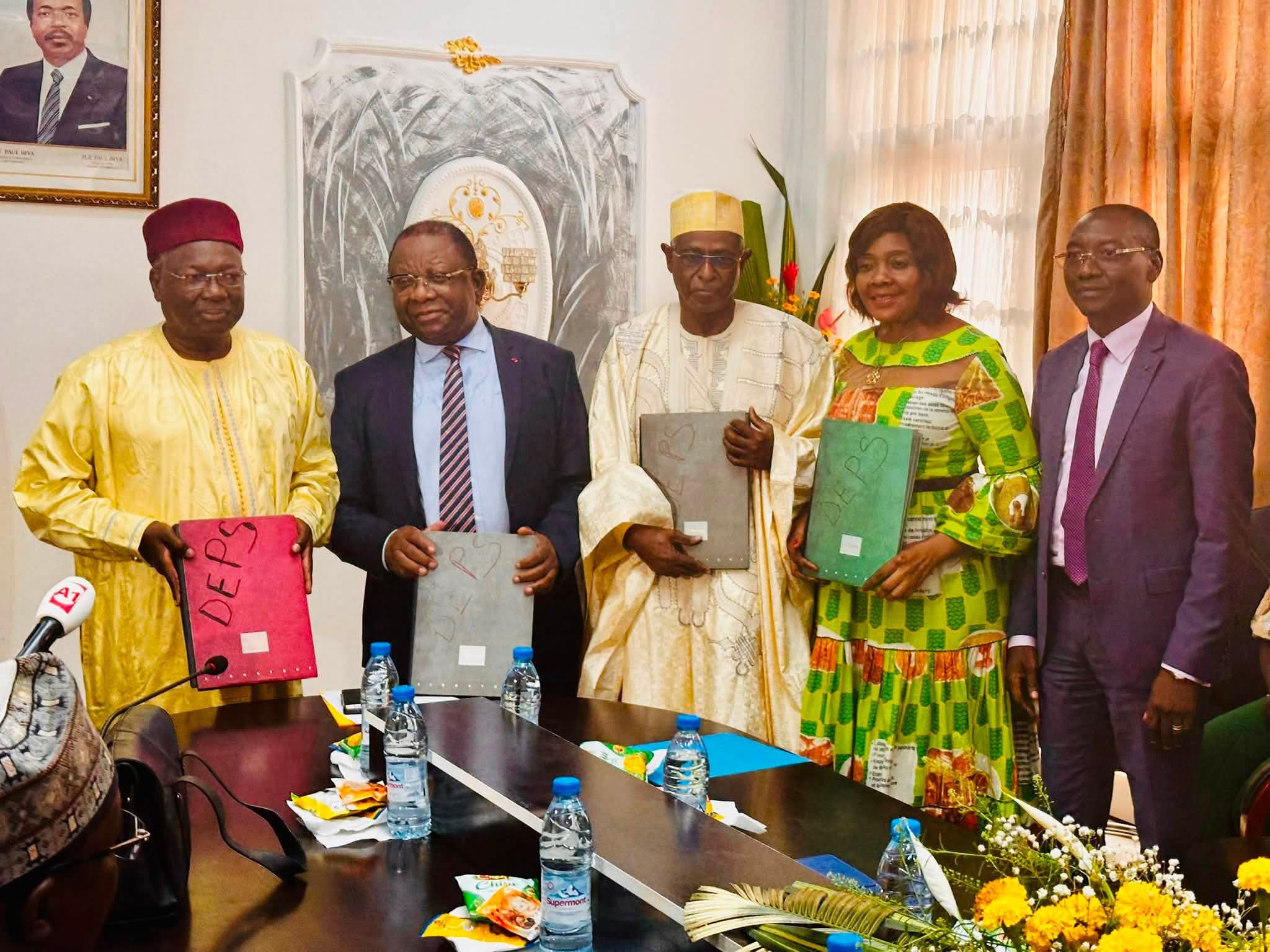
On August 18, 2026, Trade Minister Luc Magloire Mbarga Atangana and BC-PME General Manager Amadou Haman signed a landmark collaboration agreement to implement the Integrated Import-Substitution Plan for Agropastoral and Fisheries Sectors – PIISAH. Backed by an initial funding transfer of 400 million FCFA for the 2026 fiscal year, the agreement fulfills directives set forth by President Paul Biya and aligns with the goals of the National Development Strategy 2020–2030 – SND30.
Despite Cameroon’s extensive agricultural, pastoral, and fisheries potential, the nation continues to import a substantial portion of its food supply to meet domestic consumer demand. The primary objective of PIISAH is to curb this external dependence by boosting local production and building robust national value chains. However, policy leaders emphasize that increasing yield alone is insufficient; locally produced goods must reliably reach consumers, maintain competitive pricing, and satisfy rigorous standards for quality, availability, and traceability.
To bridge the gap between production and consumer markets, the Ministry of Trade and BC-PME are focusing directly on the downstream commercial infrastructure. The joint initiative will provide financial and technical assistance to economic operators, enabling them to structure and professionalize their distribution networks.
Key commodity chains selected for immediate support include staple goods such as rice, corn, flour, palm oil, and milk.
By deploying BC-PME as a specialized financing vessel, the government aims to nurture a new wave of local enterprises capable of managing the complete journey from farm to table. Funding will support businesses engaged in agro-processing, packaging, cold storage, transport, and retail distribution. Strengthened commercial capacity in these areas is expected to stabilize domestic supply chains, reduce market volatility, and enhance the overall competitiveness of Cameroonian businesses against foreign imports.
Ultimately, this partnership underscores a comprehensive commitment to establishing national food sovereignty through structural economic transformation. Achieving lasting food security requires synchronized action across both public institutions and private sector stakeholders.
By combining direct state funding with targeted enterprise financing, Cameroon is laying the groundwork for a self-reliant economy driven by sustainable domestic production and distribution.