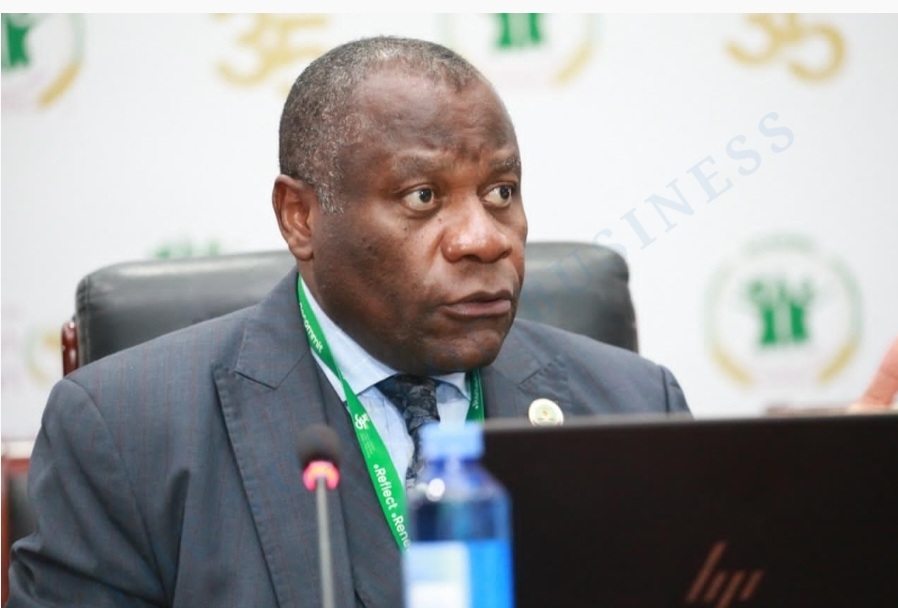
The Cameroon Human Rights Commission – CDHC on June 16, 2026 the Day of the African Child to call for urgent mobilization regarding child protection across the nation. Led by Professor James Mouangue Kobila, the institution delivered a sobering assessment of the deep-seated structural inequalities and the resurgence of physical and psychological violence currently threatening minors.
Aligning with the African Union’s 2026 theme focused on universal access to water, sanitation, and hygiene, the Commission highlighted a harsh reality: millions of Cameroonian children remain systemically deprived of essential, life-sustaining services.
The statistics released by the Commission underscore a stark divide between urban and rural infrastructure. Nearly 30% of Cameroon’s total population lacks adequate access to drinking water, a vulnerability that falls heavily on rural regions where water access drops to 52%, compared to 82% in cities.
Sanitation figures are even more critical, with a dismal national coverage rate of just 43%. While the CDHC welcomed recent structural advancements—such as the 2019 National Water Policy and the 2026–2030 National Water Compact backed by international partners—it maintained that accelerating investments remains an absolute emergency to secure basic human rights.
Beyond infrastructural deficiencies, the CRHC raised a severe alarm regarding a spike in egregious violations against children’s fundamental rights. The institution explicitly condemned a rise in infanticide, female genital mutilation, domestic abuse, and persistent psychological violence. To address this crisis, the Commission is demanding a rigorous judicial crackdown, calling for accelerated legal procedures, strict law enforcement, and exemplary sentencing for perpetrators. It also urged citizens and families to actively utilize existing alert networks, notably the CDHC’s 1523 hotline and the Ministry for the Promotion of Women and the Family’s 116 emergency number.
Ultimately, Professor Kobila framed this issue as a profound collective failure, noting that every school left without sanitation and every act of violence allowed is a societal shortfall. Reaffirming its role as Cameroon’s human rights watchdog, the Commission has urged state authorities, local governments, and everyday citizens to pool their resources and elevate child protection to a top national priority.
Moving forward, the true measure of these institutional statistics will depend heavily on Cameroon’s unified capacity to guarantee safety and basic dignity for its youngest generation.