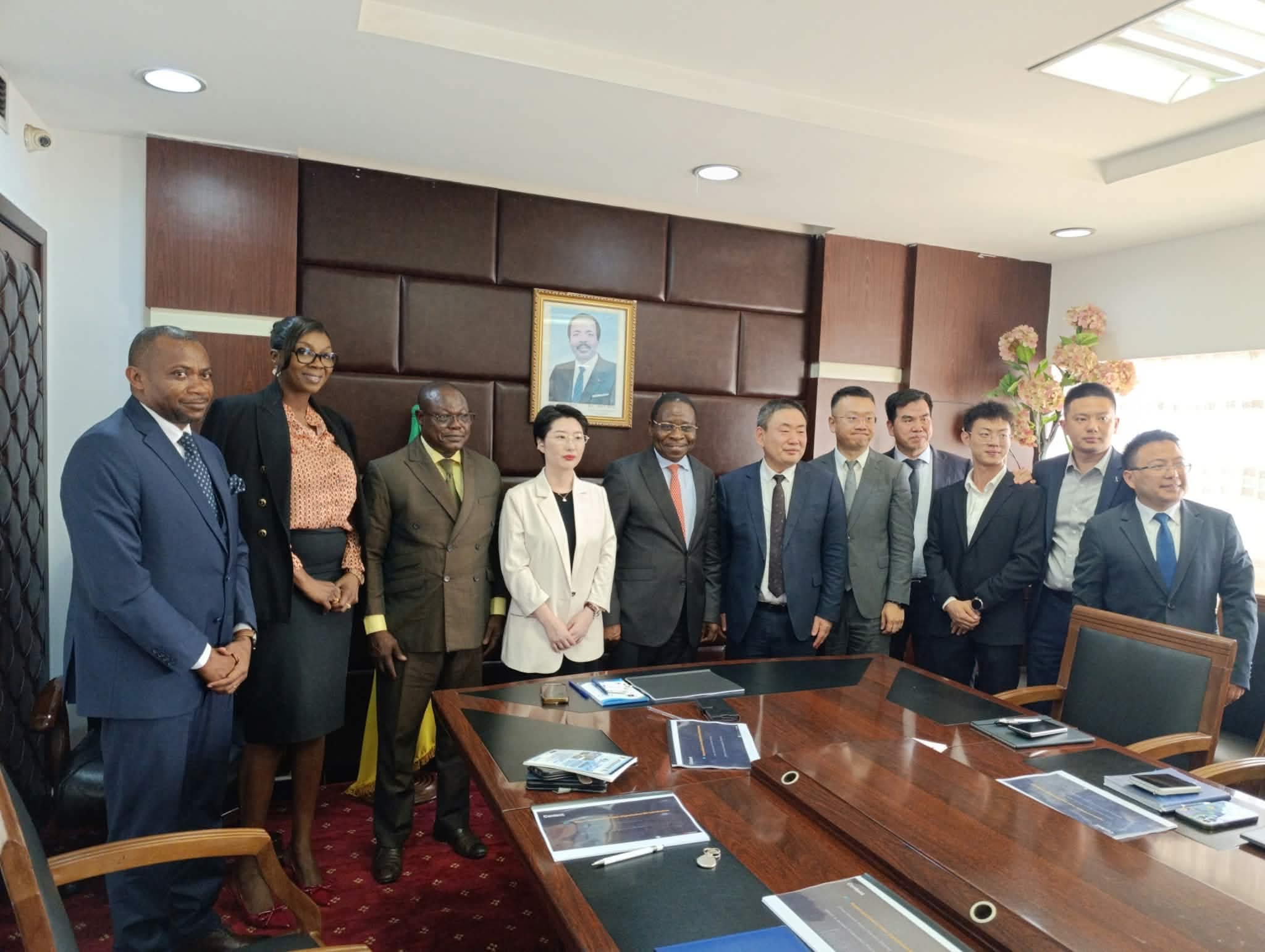
On July 14, 2026, the Cameroonian Minister of Territorial Administration, Paul Atanga Nji, chaired a key consultation meeting of the Cameroon-CAR-UNHCR Tripartite Commission in Yaounde.
Held under the theme “Cameroon-CAR-UNHCR Tripartite Commission for a Voluntary, Safe, Dignified, and Sustainable Return,” the high-level session aimed to finalize an operational framework outlining the practical modalities and a detailed timeline for the voluntary repatriation of Central African refugees.
The strategic gathering brought together several prominent figures, including Josiane Lina Bemaka-Soui, the Central African Minister of Humanitarian Action and Vice-President of the Commission; Saoudatou Bah-Mansare, the UNHCR ad interim Representative in Cameroon; William Chemaly, the UNHCR Representative in the Central African Republic; alongside ambassadors from both nations, diplomatic officials, administrative authorities, and technical delegations.
During the opening ceremony, Saoudatou Bah-Mansare reaffirmed the United Nations High Commissioner for Refugees’ – UNHCR unwavering commitment to providing technical and operational assistance to both governments, emphasizing strict adherence to their national sovereignty. She highlighted that their collective responsibility is to ensure that the return process is “a source of hope, stability, and sustainable prospects” for the displaced populations.
Adding to the opening remarks, Josiane Lina Bemaka-Soui expressed her profound gratitude to Cameroon for its enduring hospitality toward Central African refugees since the 2013 post-election crisis. However, she explicitly urged the commission to factor in the current health and security challenges plaguing specific regions in the CAR to guarantee that the returns remain genuinely safe and sustainable.
In his opening address, the Minister of Territorial Administration and President of the Tripartite Commission, Paul Atanga Nji, provided critical statistics reflecting Cameroon’s humanitarian burden. He stated that as of June 30, 2026, Cameroon—a signatory to the 1951 Geneva Convention Relating to the Status of Refugees and its 1967 Additional Protocol—was hosting a staggering 412,521 refugees.
Furthermore, the Minister revealed that between 2019 and the present date, the joint efforts of the CMR-UNHCR-CAR Tripartite Commission had successfully facilitated the voluntary, dignified, and safe repatriation of 28,061 Central African refugees back to their homeland.
”Our collective responsibility is to make the return of refugees a source of hope, stability, and sustainable prospects.” — Saoudatou Bah-Mansare, UNHCR Representative a.i.
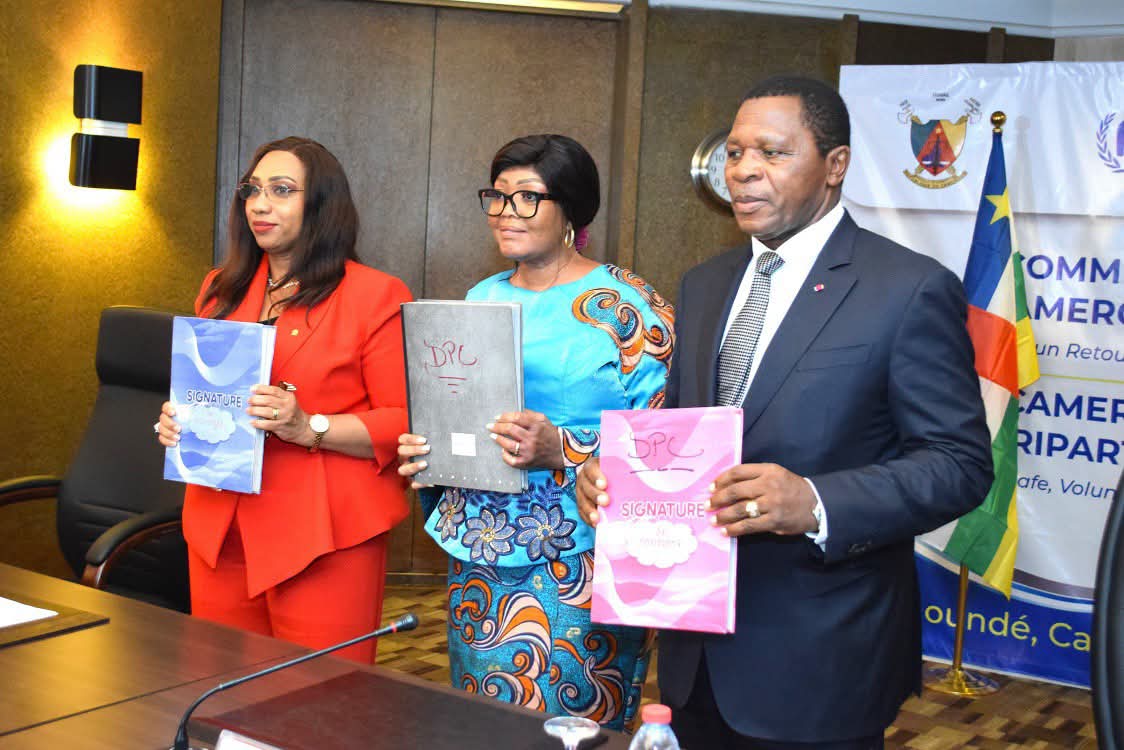
Following extensive hours of rigorous deliberations with the technical bureau and the official reading of the final communiqué, the session concluded on a highly successful note. The members of the Cameroon-CAR-UNHCR Tripartite Commission achieved a consensus, culminating in the formal signing and adoption of the operational document that will govern the practical execution of the voluntary repatriation process moving forward.