Violence against children in Cameroon has reached a critical breaking point, triggering a national emergency that demands immediate, collective intervention. An alarming surge in cases of rape, abduction, infanticide, and physical abuse has recently gripped public attention across several regions.
The crisis was thrown into sharp relief by the recent alleged sexual abuse of three-year-old Joyce Nawal at the Glory Olympic School in Odza, Yaounde. This harrowing incident has amplified national anxiety by mirroring the painful memory of young Divine Mbarga Atangana, whose suspicious death in March 2026 left the entire country reeling and exposed severe gaps in institutional safeguarding.
In direct response to this escalating wave of violence, Plan International Cameroon broke its silence on May 31, 2026, by issuing an uncompromising press release aimed at protecting the nation’s most vulnerable. The human rights organization explicitly condemned the ongoing atrocities, emphasizing that the severe protection challenges children face are disproportionately worsened by ongoing regional crises, forced displacement, and socio-economic hardship.
By stepping into the forefront of this national discourse, Plan International reaffirmed its core institutional mandate to aggressively champion and ensure that the fundamental rights, safety, and dignity of women, girls, and youth are respected.
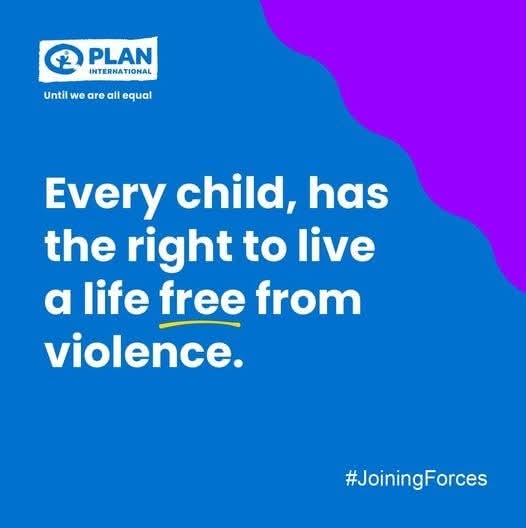
The organization’s leadership issued a stern warning against societal indifference and the culture of secrecy that often shields predators from accountability. Plan International Cameroon firmly declared: “Silence is not protection. Every child in Cameroon deserves safety, dignity, and a future free from fear.”

The global development agency expressed deep concern over the continuous rise in child exploitation, stating that “violence against children in Cameroon has reached a crisis point.” To combat this pervasive threat, the organization pledged its full operational readiness to support Cameroonian state institutions and local partners by reinforcing critical infrastructure in abuse prevention, comprehensive case management, and rapid response services.
Recognizing that institutional policy alone cannot solve deep-seated societal vulnerabilities, the humanitarian organization extended a broad call to action across all levels of Cameroonian society. They stressed that no single entity possesses the capability to dismantle this crisis in isolation.
In an official statement, the body urged: “We call on families, communities, leaders, and institutions to unite now to end this crisis and safeguard the rights of our children.” The appeal underscores the necessity of a unified front to dismantle the systemic networks that allow child abuse and trafficking to persist under the radar.
Plan International’s advocacy places a specialized focus on the protection of young girls and vulnerable youth, who statistically bear the brunt of sexual violence and opportunistic abductions in unstable environments. By demanding a society where childhood is defined by hope rather than fear, the organization is pressuring legal and administrative frameworks to implement uncompromising judicial responses.
This involves advocating for harsher penalties for offenders, stricter background checks within educational environments, and the immediate eradication of informal, out-of-court settlements that allow perpetrators to evade formal prosecution.
As public outrage over the Odza school incident continues to dominate national conversation, the timed release of this manifesto serves as a critical blueprint for systemic reform. Plan International Cameroon remains dedicated to strengthening existing protection networks so that schools and communities can return to being safe havens for development.
The collective message to the state and citizens alike remains clear: only through sustained vigilance, transparent justice, and unyielding solidarity can Cameroon successfully end violence and permanently secure the inalienable rights of its children.