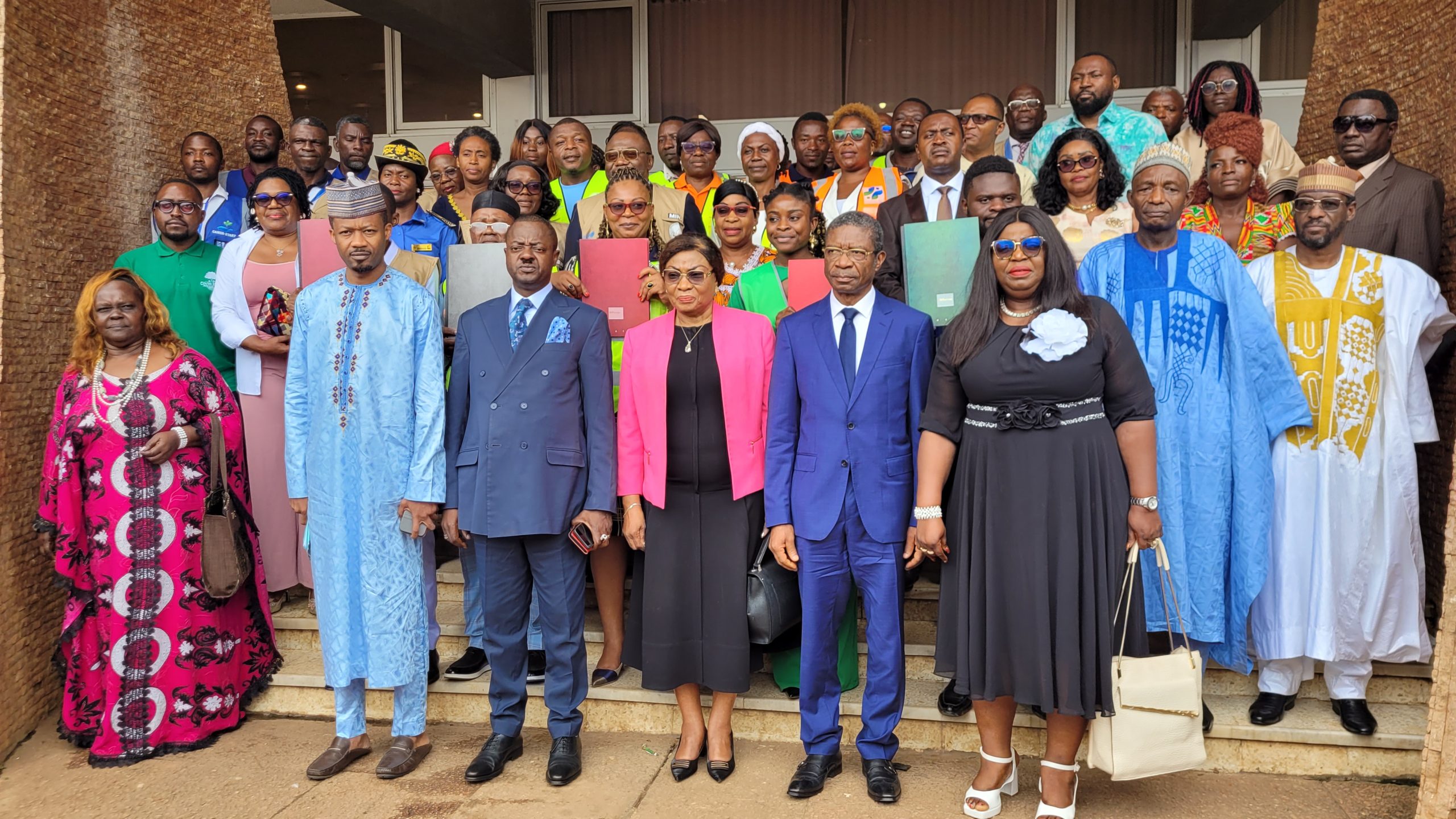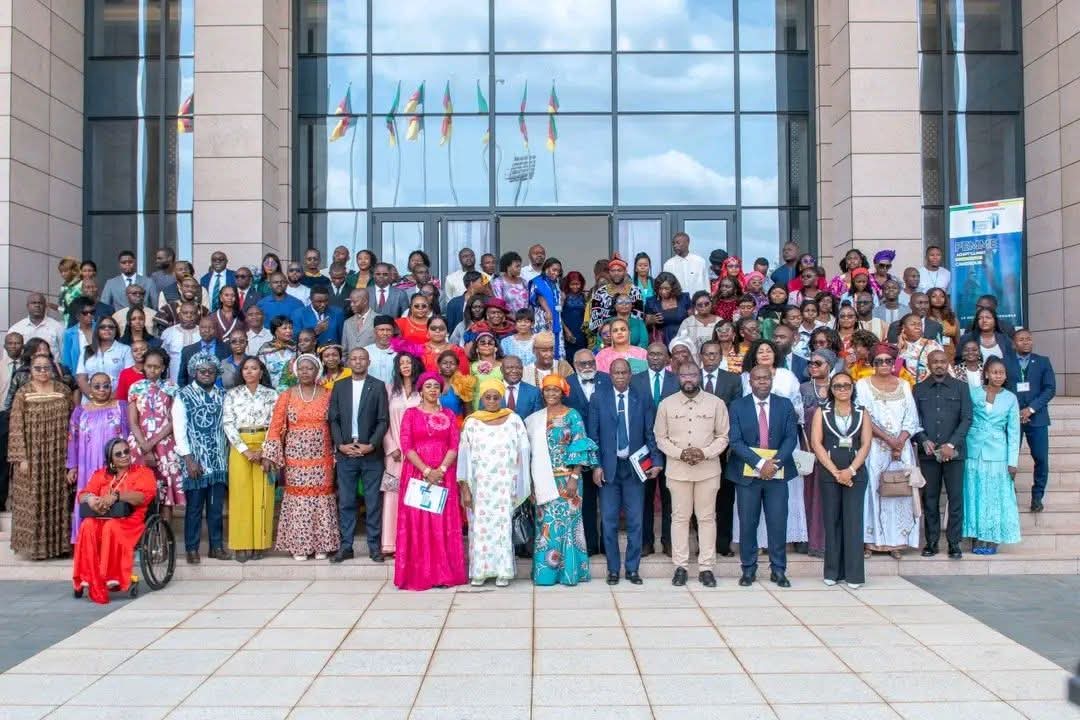
The International Organisation for Migration – IOM Cameroon recently joined forces with the National Assembly of Cameroon, key government ministries, and international partners for a landmark conference titled “Women, Climate Adaptation, and Territories.” Organized by the initiative Femme Adapt Climat and supported by Migrations & Climat International, the gathering brought together technical experts, institutional leaders, and prominent women changemakers.
The event served as a critical platform to address the compounding challenges that climate change poses to local communities, emphasizing the indispensable role women play in environmental stewardship and community survival. The conference put forward a clear roadmap for future action, zeroing in on three transformative priorities.
Participants emphasized that achieving true climate resilience requires ensuring women have direct access to dedicated climate finance, effectively embedding gender perspectives into public policy, and fostering adaptation strategies that are inclusive, sustainable, and peace-oriented. By focusing on these core areas, organizers aim to dismantle the systemic barriers that often exclude women from environmental decision-making, transforming them from vulnerable groups into active leaders of territorial defense.
A major highlight of the event was the recognition of Mr. Abdel Rahmane Diop, the Chief of Mission for the International Organization for Migration (IOM) in Cameroon. He was honored with the Ambassador of the Positive Narrative medal, a distinction celebrating his ongoing dedication to reframing how the world views migration. This award underscores a growing movement to shift global conversations away from fear-based rhetoric and toward constructive, solution-oriented dialogues regarding human mobility.
In his address to the assembly, Mr. Diop reinforced the critical necessity of managing migration so that it remains safe, orderly, and regular. Crucially, he reframed the concept of human mobility, urging stakeholders to view it not merely as a consequence of environmental distress, but as a dynamic and powerful lever for climate adaptation.
When supported by inclusive policies, migration can empower affected populations to diversify their livelihoods, share knowledge, and build lasting resilience across borders.