Plan International Cameroon together with Parliamentarians, representatives of key ministries and civil society activists – CSA have held talks on the importance of a Gender-Responsive Budget in favor of the vulnerable group of people – women, girls and youths – as well as its feasibility.
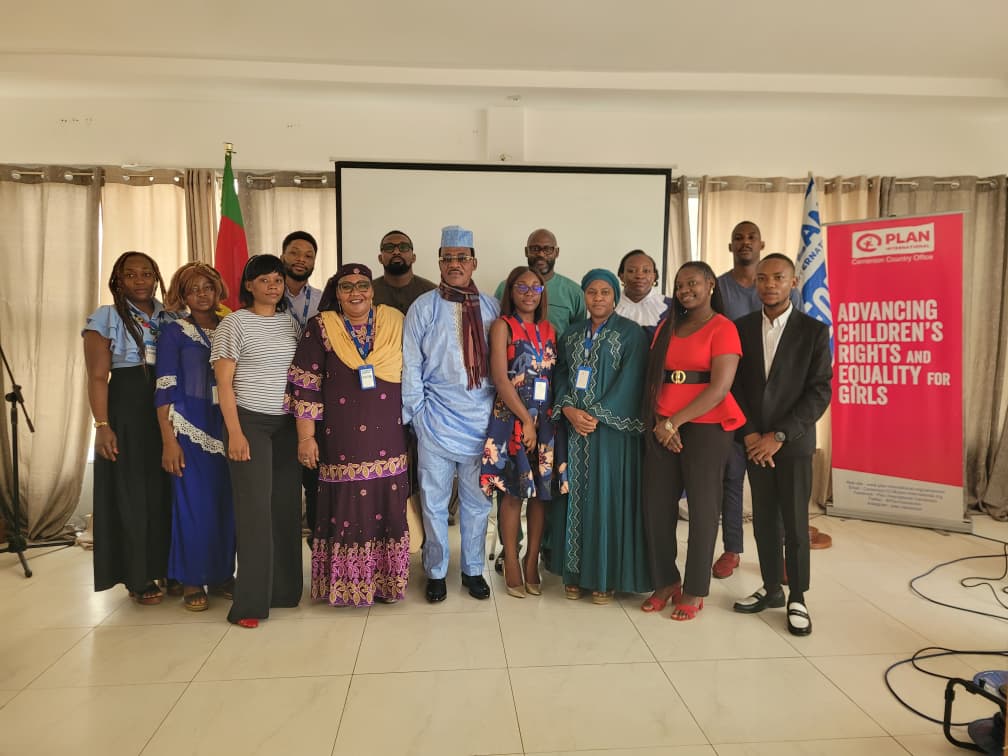
This was during a consultation meetings organized by Plan Cameroon on Tuesday March 3, 2026 at its headquarters at the Bastos neighborhood in Yaounde with the aim of establishing a roadmap that will help push the GRB to the level of execution.
Present at this consultation meeting were Honorable Mariam Goni, a Member of Parliament from Logon and Shari and Kumase Simon PM of the Santa special constituency who lauded the initiative which they say is a key element for national development as it aligns with the head of state’s vision of integrating women and the youth in the development of the nation.
With the key aspect of Plan International mission being the sponsorship of young girls, young boys, and young children, the NGO for about two years now has adopted specific country strategy with an Influencing strategy attached to help prompt positive reaction from the government towards these vulnerable group who suffer from child and early marriages, domestic violence and other forms of GBV.
With the believe that Parliamentarians play a key role in the promotion of the rights of young people especially the young girl, it was thus important for a consultation session to be held on the way forward as to the planning, allocation, execution, and evaluation of the GRB by concerned ministries particularly that of Women’s Empowerment, Social Affairs, basic education, secondary education and Vocational training.
Chaired by Dr Donkeng Eddy, Head of Communication and Influencing at Plan Cameroon, the session was an opportunity for the NGO alongside other stakeholders present to set a good number of objectives notably the holding of an intersectoral meeting with focal points of various ministries and CSA aimed at drafting of a good action plan proposal with good content, well defined objectives and clauses that will be presented to various Ministers and MPs during a seminar planned to hold during the March Parliamentary session that begins on March 10, 2026.
In a statement issued by Plan Cameroon, GRB aligns with major national frameworks like the National Development Strategy 2020-2030, which demands inclusive development and gender equity. According to GRB analysis conducted by the International Monetary Fund – IMF, it enables government to identify gender gaps, allocate financial resources to close them up, define indicators to measure progress and strengthen inclusive and equitable public spending.
This activity comes at a time when the needs of the girl child and Women have to be at the Center of every institution. As women prepare to celebrate the 41st International Women’s Day come March 8, 2026, a day set aside to defend girls rights and prone gender equality, it is important that those in leadership position, Women in particular, brainstorm on various solution bases approach in tackling these issues.
This year’s celebration will be done under the theme “Rights. Justice. Action. For all Women and girls. A theme that speaks the mind of Plan International Cameroon in terms of set objectives.
What to know about Gender-Responsive Budget
Gender-Responsive Budgeting (GRB) is a strategic tool designed to ensure fairness and efficiency in Cameroon’s public spending by aligning national resources with the country’s most urgent gender priorities. Rather than creating a separate budget for women, it integrates a gender lens into the general budget to effectively combat Gender-Based Violence (GBV) through survivor support and prevention, address the root causes of child and early marriage by funding girl-child education and protection, and close gaps in essential services like maternal healthcare and social protection. Ultimately, GRB ensures that policy commitments are backed by actual financial investments, transforming political will into tangible impacts for the most vulnerable populations