
In a decisive move to tackle the country’s public health challenges, the Cameroon Ministry of Water and Energy – MINEE, supported by UNICEF, convened a “Media Café” in Yaounde on April 6, 2026.
The briefing introduced journalists to the National Water Compact, a strategic flagship initiative designed to accelerate the implementation of Sustainable Development Goal 6, SDG 6. By positioning communication at the heart of public action, the government aims to bridge the gap between policy and the citizens who rely on these vital services.
The primary objective of the Compact is to elevate the national drinking water access rate from its current stagnation at 77% to an ambitious 90% by 2030. Achille Hermann Ngoko Mbang, Director of Water Resource Mobilization at the Ministry, emphasized that the framework is not merely a list of intentions but a “common front” intended to synchronize the efforts of the government, private sector, and international partners.
This unified approach is essential to overcome historically fragmented funding and outdated infrastructure that have slowed the pace of the National Development Strategy – SND30.
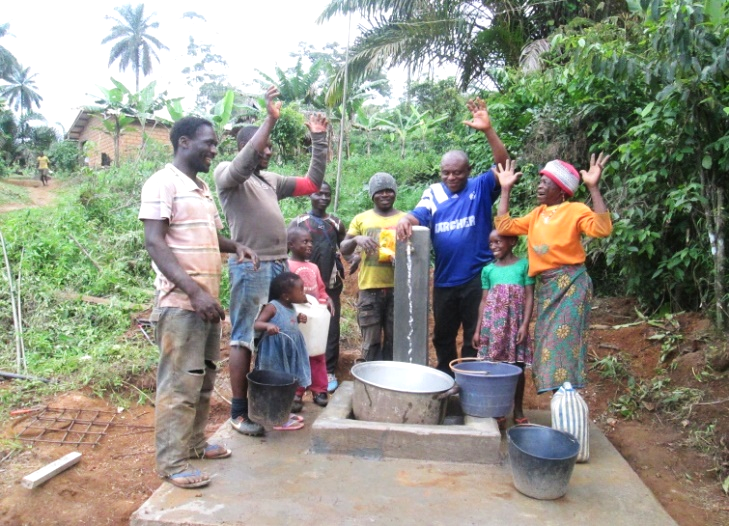
UNICEF Cameroon’s Deputy representative, Juliette Haenni, underscored that the Compact is a critical humanitarian and health intervention. The initiative specifically targets rural communities and remote areas in the North and East, where the lack of clean water disproportionately affects women and children.
By providing reliable access to safe water and sanitation – WASH, the government expects a tangible reduction in the prevalence of waterborne diseases, which remain a leading cause of childhood illness across the territory.
A unique aspect of this campaign is the call for journalists to serve as “agents of change” through citizen oversight. During the briefing, the media were encouraged to monitor the transparency and implementation of the commitments made by decision-makers.
This level of accountability is intended to ensure that the synergy fostered between research organizations, funding agencies, and public administrations translates into functional, well-maintained infrastructure in even the most hard-to-reach regions.
Following a successful high-level roundtable held earlier in April, the Ministry is now moving into the final technical phases of the project. These include the consolidation of partner recommendations into a final document, followed by formal government validation and a nationwide official launch.
The success of this 2030 challenge will ultimately depend on Cameroon’s ability to turn this strategic framework into a reality for every citizen, from the bustling streets of Douala to the country’s most isolated villages.


