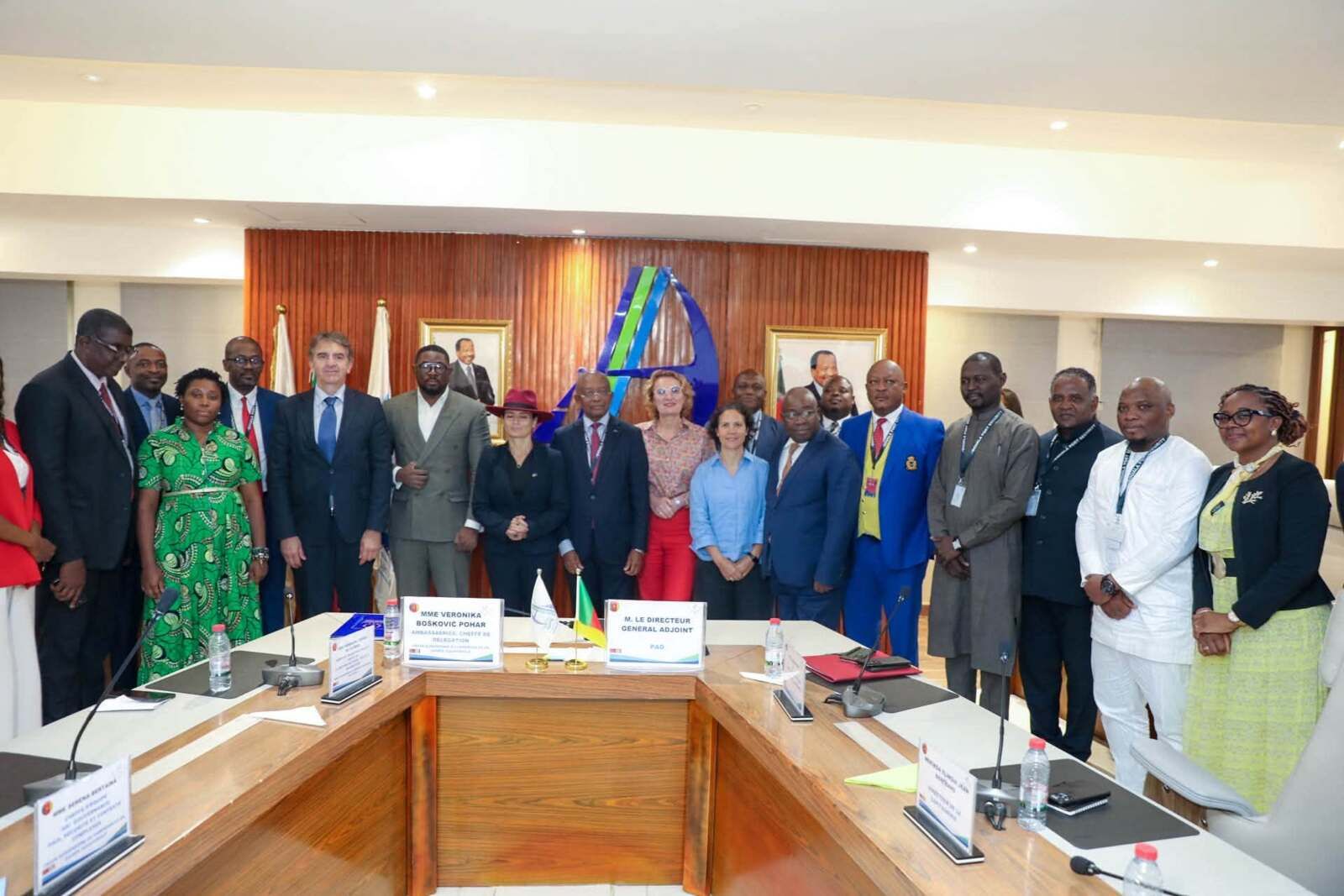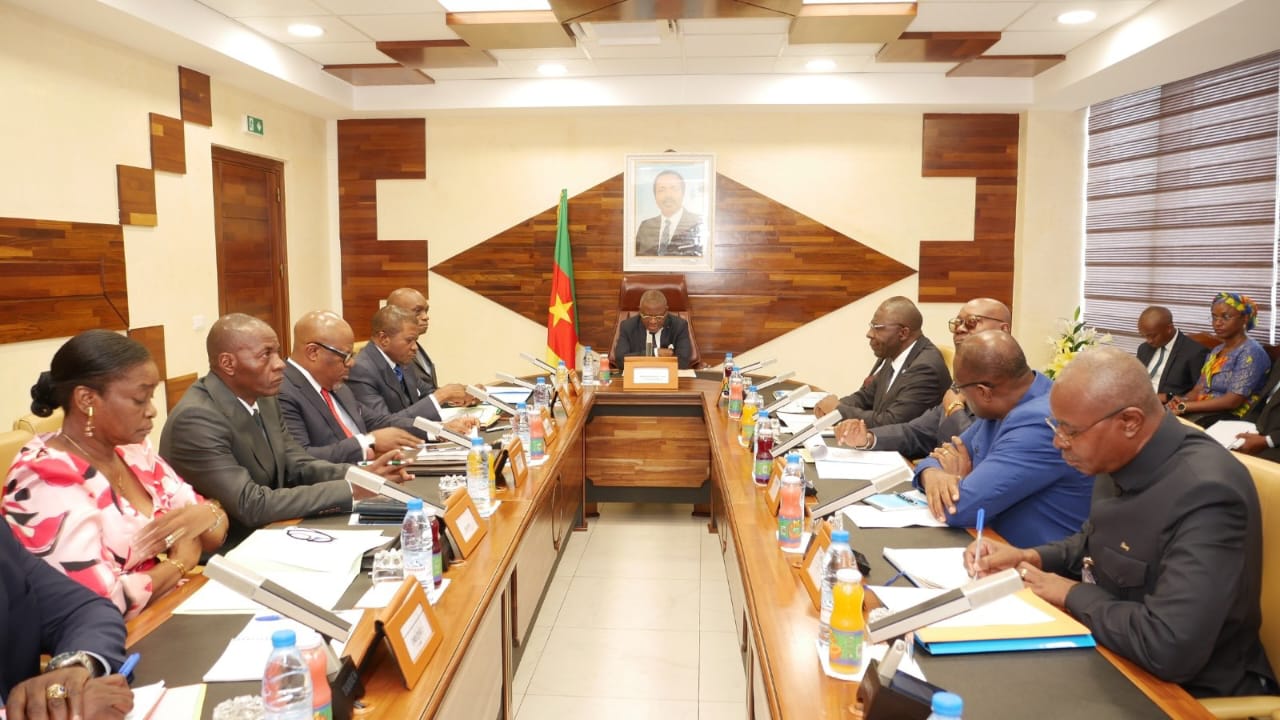
High-level administrative gridlocks are finally giving way as Cameroon intensifies efforts to launch the long-delayed construction of the Limbe Deep Seaport. Prime Minister Joseph Dion Ngute chaired a pivotal ministerial meeting in Yaounde recently, aimed at reviewing ongoing feasibility studies and resolving outstanding technical challenges.
The session brought together key institutional stakeholders, including the Ministers of Transport and Land Tenure, alongside local administrative and municipal leaders, to fast-track the project’s remaining urban and environmental clearances.
Securing these technical clearances represents the final hurdle before the state can finalize a critical Memorandum of Understanding – MoU with Turkish firm Yenigün Construction Industry & Commerce Inc. Under a Build-Operate-Transfer – BOT Public-Private Partnership model, the company will conduct definitive feasibility studies to govern the financing, design, operation, and maintenance of the future maritime hub.
The Prime Minister issued strict directives to all involved administrations to accelerate their assessments and review competitive bids, signaling an imminent transition from paperwork to physical ground-breaking.
The reactivation of this strategic file carries profound economic weight, especially for the Fako Division and the wider Southwest Region. First established by presidential decree in May 2020 through the creation of the Limbe Port Authority – PAL, the project is estimated to cost roughly 400 billion FCFA.
Once operational, the deep-sea port is projected to generate over 20,000 jobs, breathing fresh economic life into the regional workforce and positioning Limbe as a vital commercial gateway. Beyond its industrial merits, the port holds immense political significance for Cameroon’s socio-political landscape.
The 43-year delay since President Paul Biya first envisioned the project in 1983 has frequently been cited by local communities as a symbol of economic marginalization—a grievance that has fueled a decade-long secessionist conflict in the English-speaking regions. Successfully delivering the port is therefore viewed as a crucial step toward political reconciliation and restoring local trust in national development agendas.
Ultimately, the Limbe Deep-Sea Port is poised to fundamentally reshape regional trade and maritime logistics in Central Africa. Designed to operate as a major gateway for hydrocarbons and agricultural products, the modern facility will relieve severe shipping pressure on the chronically congested Port of Douala.
By transitioning from decades of cyclical bureaucratic delays into active construction, Cameroon aims to solidify its position as a dominant maritime power in the Gulf of Guinea.