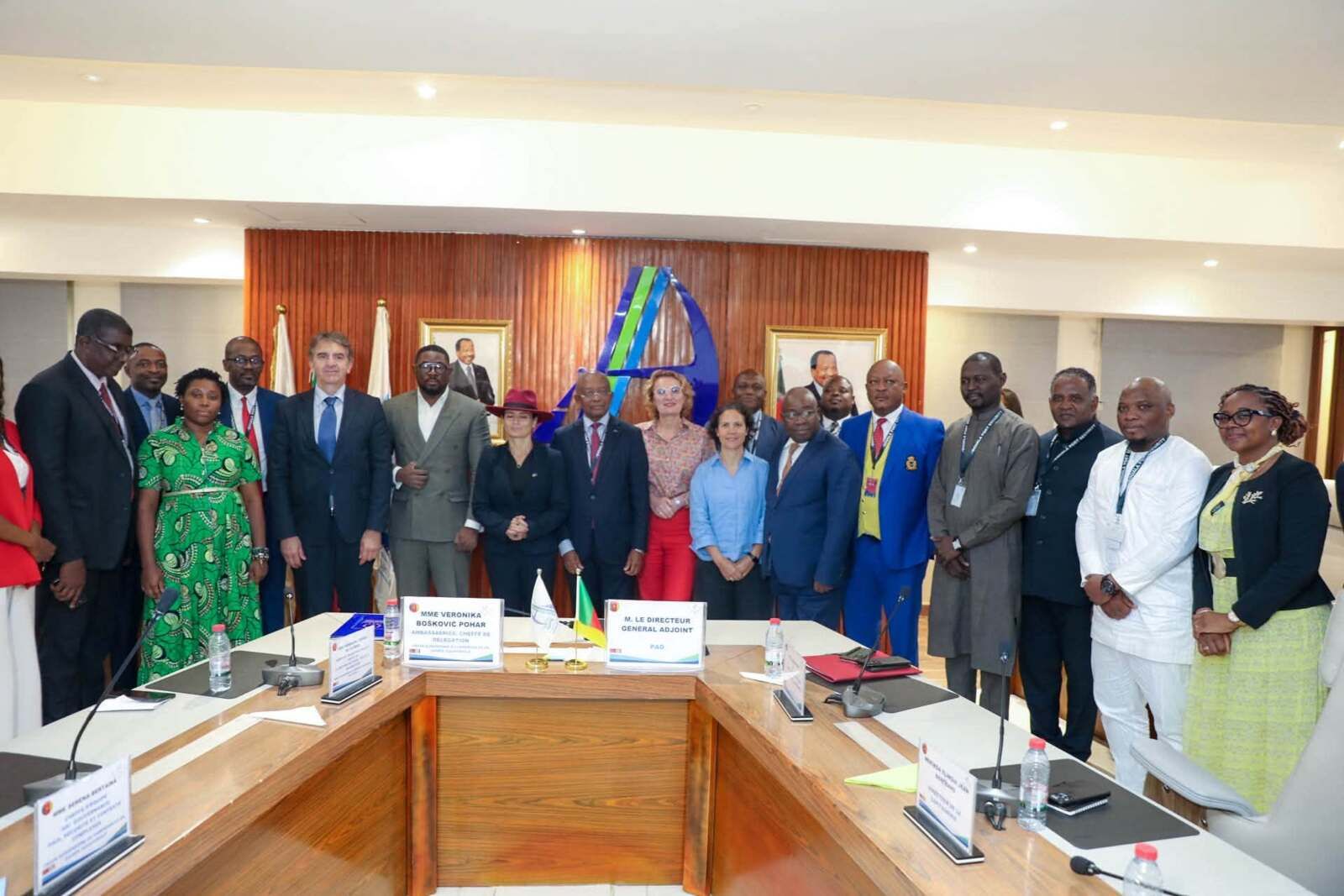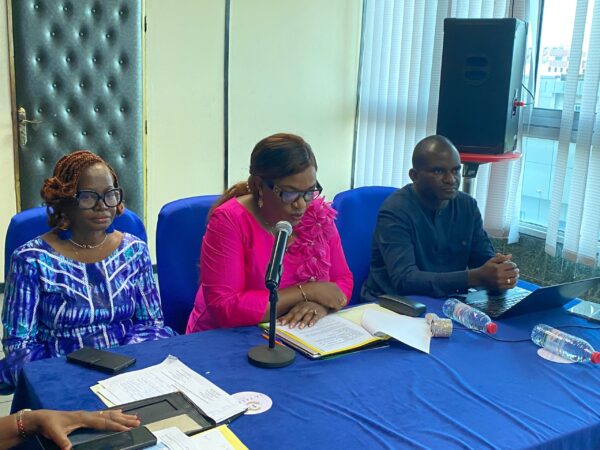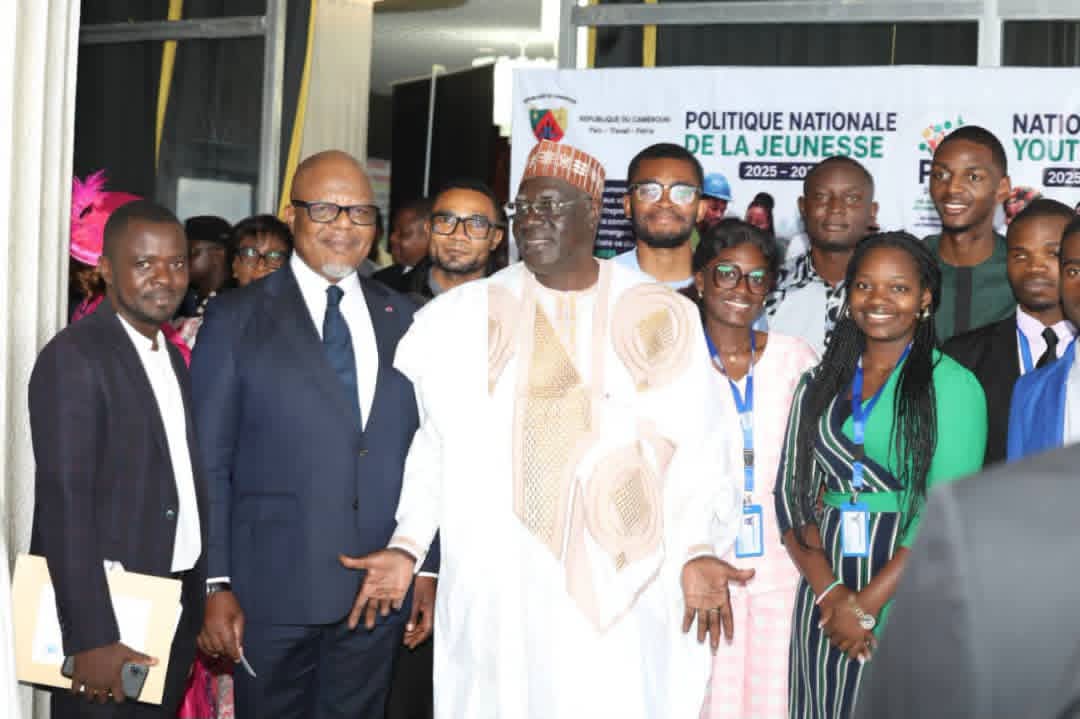
The Cameroonian Government on August 11, 2026 convened international technical and financial partners in Yaounde to rally crucial backing for its newly framed National Youth Policy – PNJ 2025–2035.
Chaired by Paul Tasong, Minister Delegate to the Minister of Economy, Planning and Territorial Development, the roundtable brought together UN agencies, development banks, civil society, and youth leaders to discuss on the strategy.
The focus of the meeting was the presentation of the Youth Plan 2025–2030, an ambitious initiative requiring an estimated 386.1 billion FCFA in funding. Minister of Youth and Civic Education – MINJEC Mounouna Foutsou emphasized that the event aimed to convert strategic guidelines into tangible financial commitments.
With over 60% of Cameroon’s population currently under the age of 25, the strategic stakes could not be higher for the nation’s socio-economic future. The target 386.1 billion FCFA is earmarked for high-priority interventions, including quality education, digital technology, STEM skills, agriculture, and civic engagement.
United Nations representatives underscored that collective mobilization is essential to prevent the framework from remaining a mere administrative document, transforming it instead into a driver of real economic inclusion. To ensure long-term stability, the plan also tackles broader development concerns, including youth health, social cohesion, and the integration of human mobility into future public policy.
A major focus of the roundtable was realigning human capital development directly with the current realities of the labor market. Panelists from UNESCO, GIZ, UNICEF, and the European Union highlighted the need to move beyond simple academic diploma accumulation toward actionable employability and skills acquisition.
Key partners detailed concrete mechanisms to empower young jobseekers and entrepreneurs, such as the Islamic Development Bank proposing results-based and Islamic finance tools, while the UNDP pledged focused support for tech innovation. Furthermore, institutions like the AUF spotlighted active initiatives, including Francophone Employability Centres operating across major regional universities.
Addressing the assembly, Minister Mounouna Foutsou urged international partners and financial institutions to translate their verbal support into immediate operational commitments by registering their official youth offers with the National Youth Observatory – ONJ. He stressed on the guiding philosophy of the ministry, “Nothing is done for young people without young people”, challenging youth delegates to actively own the policy and serve as primary ambassadors among their peers.
Organizations like Plan International Cameroon reinforced this collaborative vision, showcasing established platforms that already provide hundreds of annual internships and engagement programs for local youth.
To guarantee that the meeting leads to measurable progress, the Cameroonian Government announced the rollout of a formal monitoring mechanism designed to track incoming investments, manage donor coordination, and evaluate ongoing partnership transparency. Behind the formal pledges lies the critical test of execution: turning the multi-billion FCFA budget into accessible capital, vocational certifications, and sustainable business ventures for everyday citizens.
The success of the National Youth Policy will ultimately depend on how effectively these institutional frameworks transform into tangible economic opportunities across the country.