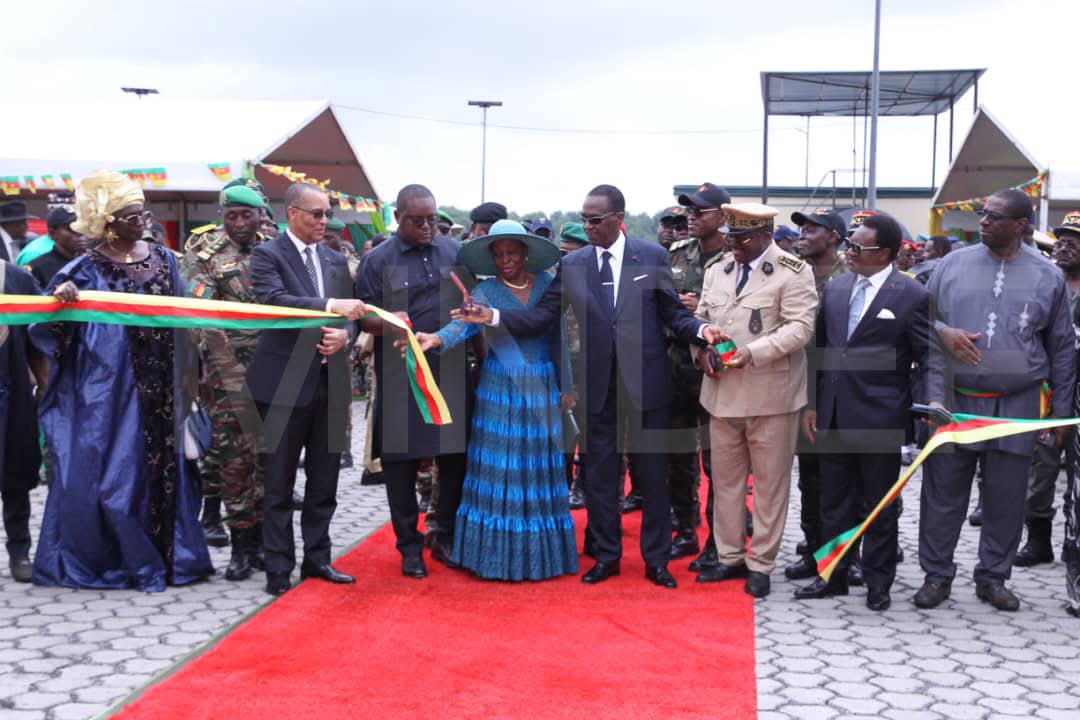
The Minister Delegate at the Presidency in charge of Defence, Joseph Beti Assomo, on July 2, 2026, proceeded to the official inauguration of a new ultra-modern base for the Rapid Intervention Battalions – BIR in Douala.
Acting on behalf of President Paul Biya, the Commander-in-Chief of the Armed Forces, the Minister led a high-profile ceremony on the esplanade of the newly constructed facility. The event drew an influential gathering of top military officials, regional administrators, parliamentary representatives, and local traditional and religious leaders, highlighting the national importance of the project.
This major infrastructural milestone marks a definitive step forward in Cameroon’s ongoing mission to fortify its maritime borders and shield its primary economic engine. During his address, Minister Joseph Beti Assomo reminded attendees that the BIR’s specialized deployment to the coastal city was originally necessitated by a sharp rise in piracy and maritime crime across the Gulf of Guinea. This security shift followed the historic transfer of sovereignty over the Bakassi Peninsula back to Cameroon, requiring a permanent, elite defensive presence.
Operational inefficiencies at the unit’s former location had increasingly hampered the military’s swift reaction capabilities. According to the General Coordinator of the BIR, Brigadier General Pelene Francois, severe silting at the old quay frequently trapped intervention vessels and delayed critical response times during low tides. The relocation to this modern site successfully resolves these tactical hurdles, providing the elite forces with the spatial and structural advantages needed to maintain an agile defense posture.
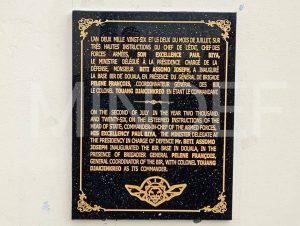
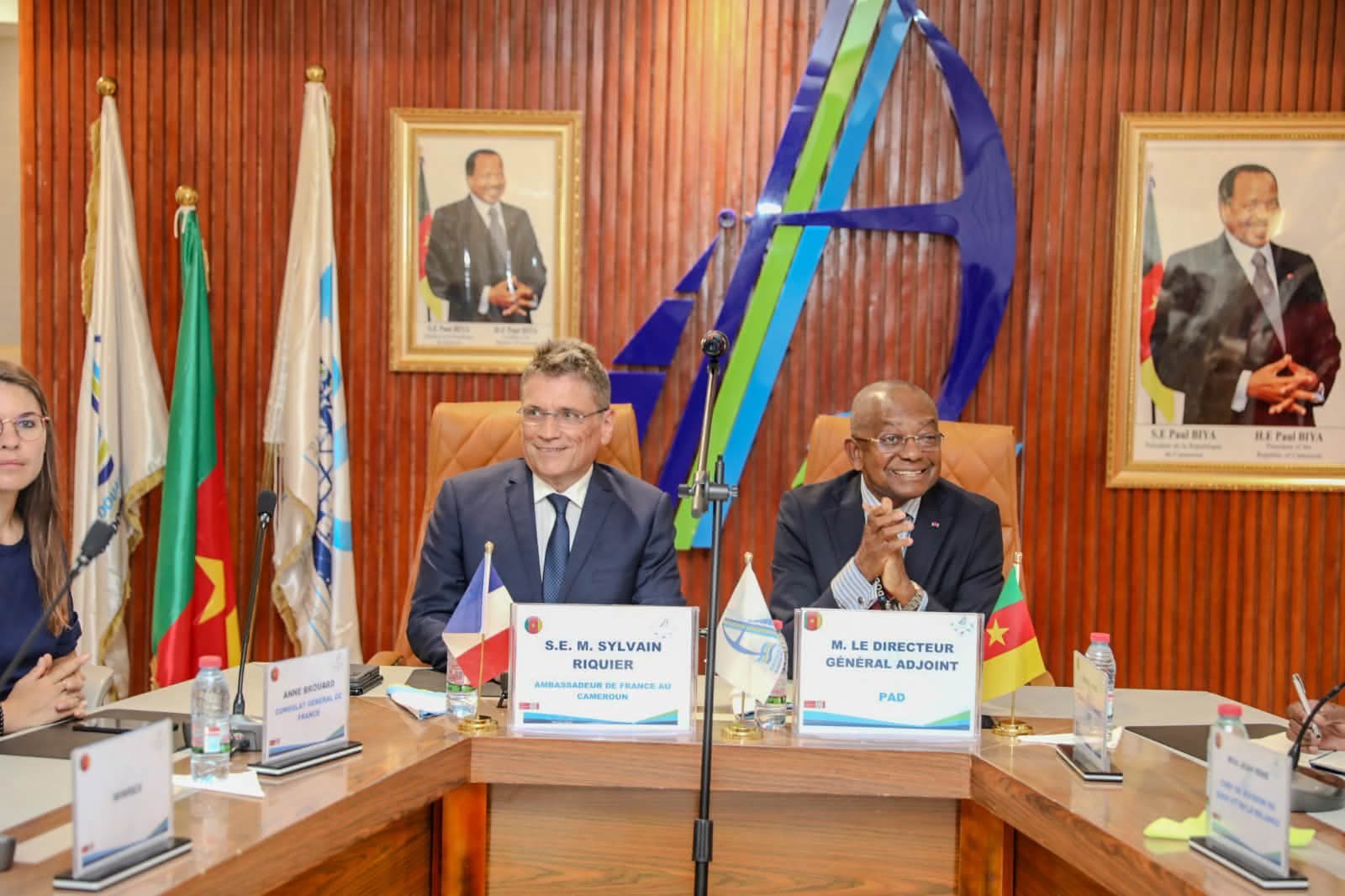
The realization of this strategic base was made possible through a close partnership with the Autonomous Port of Douala-Bonabéri – PAD. By granting the necessary land and structural support, the port authority has directly enabled a security transformation that guarantees round-the-clock maritime operations. Intervention teams can now launch deep-water vessels at any hour of the day or night, completely independent of tidal restrictions that previously dictated their movements.
Architecturally, the new complex acts as an all-in-one military hub by consolidating operational, logistical, and medical support services within a single perimeter. This centralization drastically improves internal communication, streamlines the supply chain, and slashes emergency deployment times. Beyond hosting tactical units, the facility serves as a command center designed to optimize the synergy between land-based logistics and sea-bound elite commandos.
Ultimately, the defense ministry views this facility as a vital shield for Cameroon’s economic sovereignty rather than just a collection of buildings. By safeguarding the highly trafficked Port of Douala and securing international shipping lanes, the base solidifies Cameroon’s capacity to suppress emerging maritime threats. It sends a clear signal to regional partners and commercial shipping lines that the nation’s economic capital remains a secure, well-defended gateway for international trade.