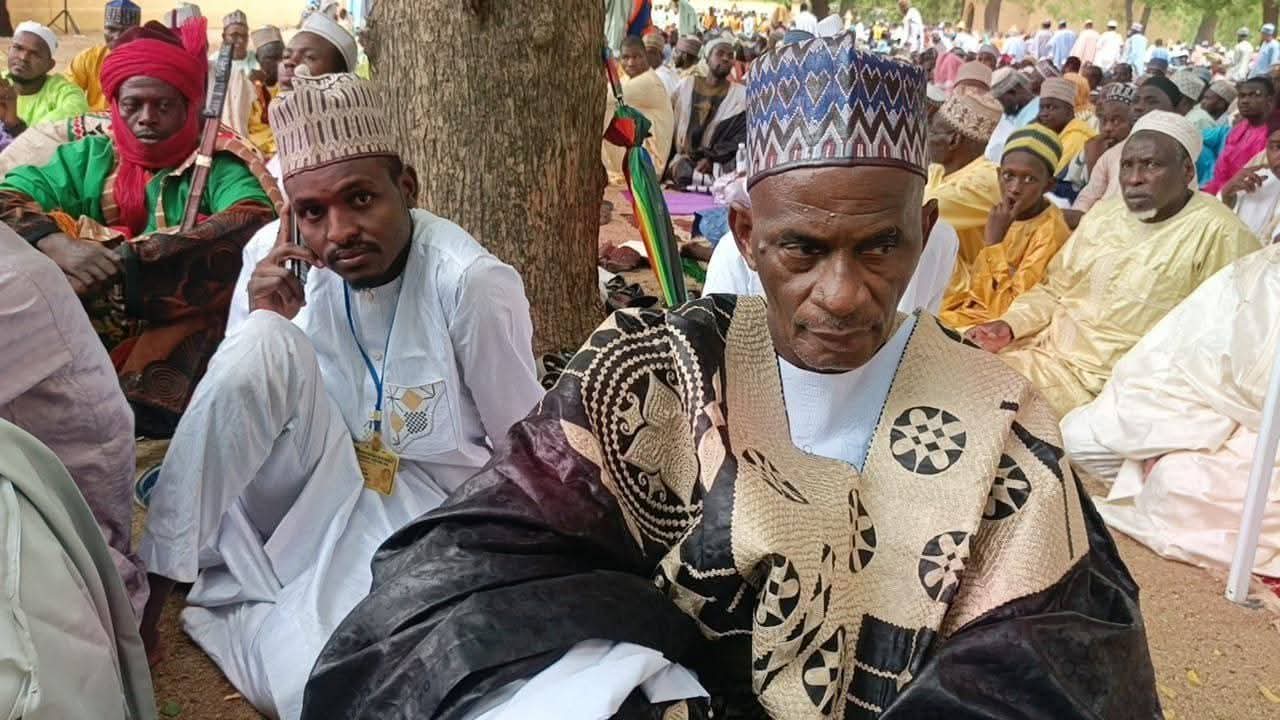
Across Cameroon, the Muslim community gathered in massive numbers on May 27, 2026, to celebrate Eid El-Kebir, popularly known as Tabaski.
From the northern hubs to the North West region, the festivities were marked by deep spiritual devotion, symbolic sacrifices, and a shared commitment to communal harmony. High-ranking traditional rulers, such as the Lamido of Garoua, alongside regional governors and administrative authorities, joined the faithful, underscoring the national importance of this holy celebration.
In Maroua, the Grand Mosque of Dougoï served as a major focal point, drawing thousands of worshippers early in the morning under the leadership of His Majesty Yerima Abdoulaye Bakary. The atmosphere was one of strict discipline, with organizers rigorously enforcing the prayer schedule for the two rakaats (units of prayer).
This strict punctuality meant that latecomers were unfortunately unable to enter the packed mosque. While alternative prayer sites were available throughout Maroua, many determined believers waited outside to take part in the service led by Oustaz Mahmoud Mal Bakary, proving that when it comes to prayer, timing is absolute.
Meanwhile, the faithful in Garoua demonstrated an unyielding spirit as they observed Tabaski at the Grand Mosque of Poumpoumré under persistent rainfall.
Undeterred by the bad weather, a large congregation gathered to hear Imam Hamidou preach on the vital importance of love, peace, and harmonious co-existence. The rainy celebration in the North Region became a powerful testament to the resilience, solidarity, and brotherhood of the local community as they braved the elements together.
In Bamenda, located in the North West region, the central theme of the celebration at the Central Mosque was a collective yearning for national stability. Grand Imam Musa Shuabo drew inspiration from Prophet Abraham’s absolute obedience to Allah, challenging the congregation to remain law-abiding, reject violence, and make personal sacrifices for social harmony.
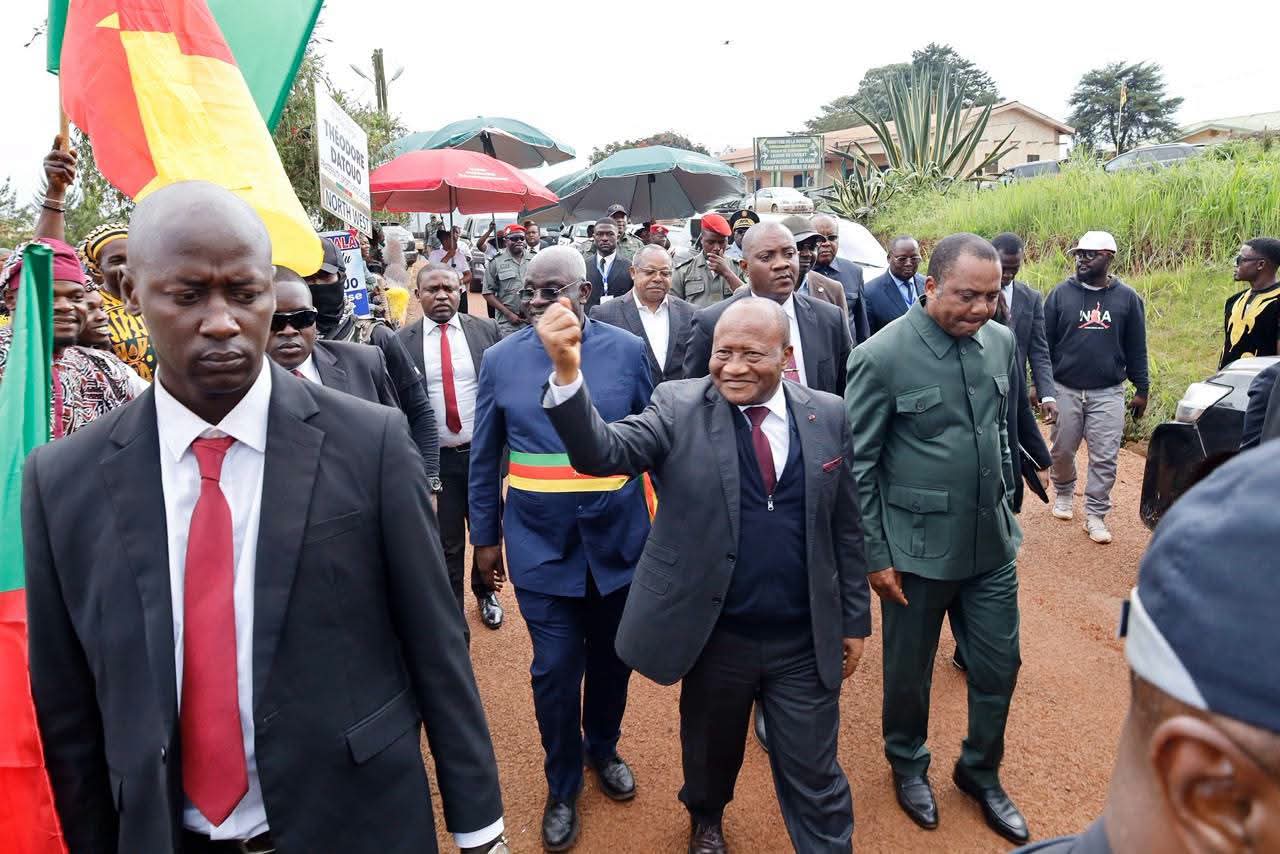
Flanked by the Governor of the North West Region, Adolphe Lele Lafrique, the community lifted their voices in unified prayers for peace, unity, and economic prosperity across Cameroon.
Following the conclusion of the morning prayers and sermons in every region, the faithful strictly awaited the official signals from their respective religious leaders before initiating the core ritual of the holiday. The celebrations culminated in the traditional, symbolic slaughtering of rams and sheep, mirroring the prophetic tradition of sacrifice.
This sacred act not only honored their religious prescriptions but also set off a period of feasting, charity, and sharing among families and neighbors, echoing the message of unity emphasized by religious leaders like Bouba Goï Goï, Imam of the central mosque in Tsinga, Yaounde.